-
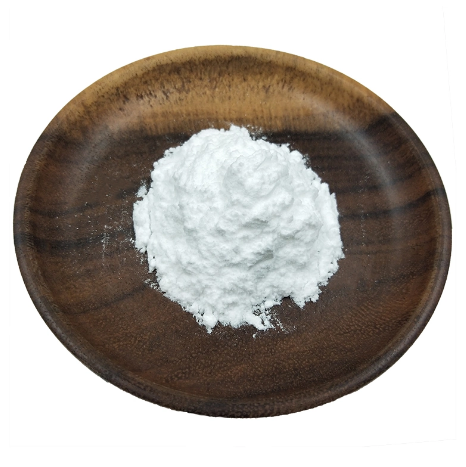
Dodecyl trimethyl ammonium bromide CAS:1119-94-4
Dodecyl trimethyl ammonium bromide, also known as DTAB or DTB, is a quaternary ammonium compound commonly used as a surfactant or detergent. It is a white, solid powder that is soluble in water.
DTAB is often utilized in various industries and applications, including personal care products, pharmaceuticals, and research laboratories. It can act as a cleaning agent, emulsifier, foaming agent, or wetting agent.
In personal care products, DTAB can be found in shampoos, conditioners, soaps, and body washes. It helps to create a lather, increase product stability, and improve the spreadability of the formulation.
In pharmaceuticals, DTAB is used in the formulation of various drug delivery systems, including microemulsions, nanoemulsions, and liposomes. It aids in drug solubilization and stabilization, enhancing drug absorption and effectiveness.
In research laboratories, DTAB is frequently employed in biological and biochemical studies. It can be used for membrane protein extraction and purification, DNA extraction, and gene delivery systems.
-
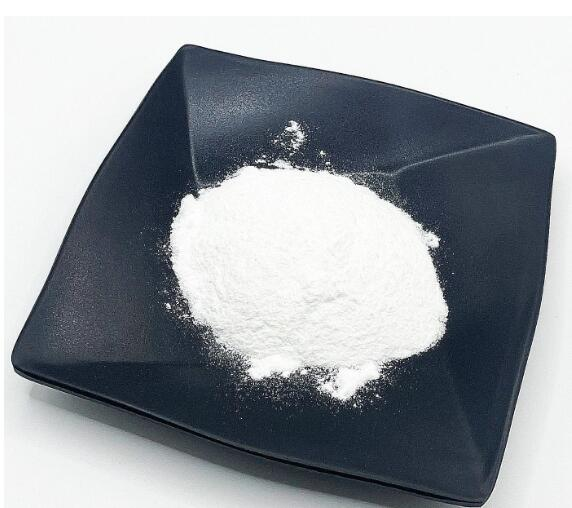
PMSF CAS:329-98-6 Manufacturer Price
Phenylmethylsulfonyl fluoride, also known as PMSF, is a chemical compound commonly used as a serine protease inhibitor. It is a reactive and potent irreversible inhibitor that works by binding and modifying the active site of serine proteases, effectively preventing their enzymatic activity. PMSF is particularly useful in biochemical and molecular biology research for studying protein purification, protein-protein interactions, and proteolysis. It is often used to protect proteins from degradation during purification procedures and to inhibit protease activity in cell lysates and extracts.
-
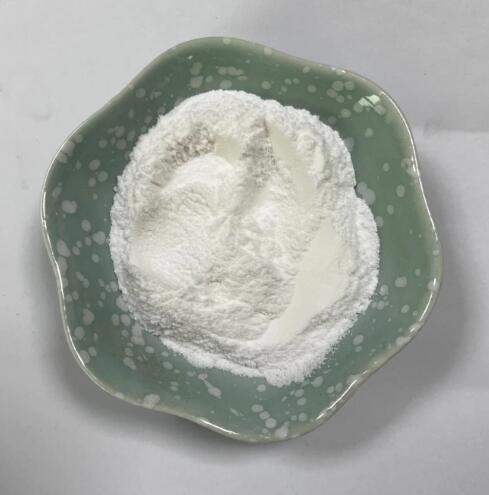
Ethylenediaminetetraacetic acid dipotassium salt dihydrate CAS:25102-12-9
Ethylenediaminetetraacetic acid dipotassium salt dihydrate, also known as EDTA Dipotassium, is a chemical compound with the molecular formula K2(C10H14N2O8)·2H2O. It is a crystalline powder that is commonly used as a chelating agent, meaning it can bind to metal ions. EDTA Dipotassium is known for its ability to sequester or remove metal ions from solutions, making it useful in various industrial processes, such as water treatment, food and beverage processing, and pharmaceutical formulations. It is also utilized in analytical chemistry and medical treatments for its metal chelation properties.
-
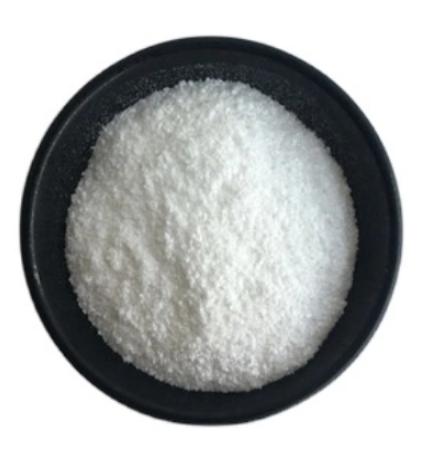
Ethylenediaminetetraacetic acid tripotassium salt dihydrate CAS:65501-24-8
Ethylenediaminetetraacetic acid tripotassium salt dihydrate, also known as EDTA Tripotassium, is a compound that contains three potassium ions (K+) per molecule, along with two water molecules (H2O). EDTA Tripotassium is a derivative of ethylenediaminetetraacetic acid (EDTA) and shares similar properties and applications.
EDTA Tripotassium is primarily used as a chelating agent, meaning it has the ability to bind to metal ions and form stable complexes. It is often employed to remove unwanted metal ions from solutions, particularly calcium, magnesium, and other heavy metal ions. By sequestering these ions, EDTA Tripotassium can prevent their interference or detrimental effects in various chemical processes and reactions.
In addition to its chelating properties, EDTA Tripotassium also finds applications in various industries. It is commonly used in water treatment to remove heavy metal ions from water sources, ensuring water safety and quality. It can also be found in the food and beverage industry as a stabilizer and preservative, preventing oxidation and maintaining the quality of processed foods. Moreover, EDTA Tripotassium plays a role in pharmaceutical formulations, analytical chemistry, and as a standard reference material.
-

Fluorescein Isothiocyante CAS:3326-32-7
Fluorescein isothiocyanate (FITC) is a fluorescent dye commonly used in biomedical research and diagnostic applications. It is a derivative of fluorescein that has been modified to contain an isothiocyanate group, which allows it to covalently bind to proteins, antibodies, and other biomolecules.
FITC emits a vibrant green fluorescence when excited by light of the appropriate wavelength, typically around 488 nm. This fluorescence can be detected and quantified using various imaging techniques, such as fluorescence microscopy, flow cytometry, and fluorescence spectroscopy.
By conjugating FITC to biomolecules of interest, researchers can track and visualize the distribution, localization, and interactions of these biomolecules within cells, tissues, or biological samples. FITC-labeled antibodies, for example, can be used to detect specific proteins or antigens in immunofluorescence assays or to analyze cell populations in flow cytometry experiments.
-

GSH CAS:70-18-8 Manufacturer Price
GSH, or glutathione, is a natural antioxidant molecule found in the body. It plays a critical role in maintaining optimal cellular function and is involved in several important physiological processes. GSH helps to protect cells from oxidative damage by neutralizing harmful free radicals and reactive oxygen species. It also aids in detoxification processes by binding to and eliminating toxins and heavy metals from the body.
-
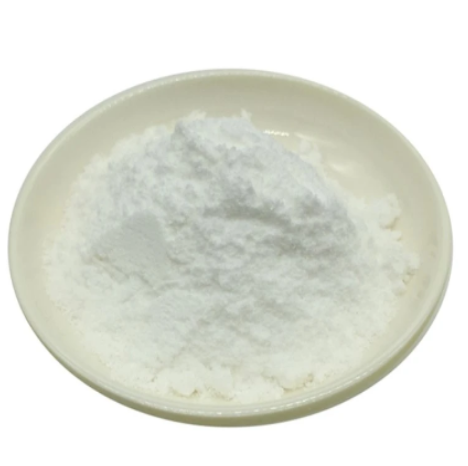
BCA-2Na CAS:979-88-4 Manufacturer Price
BCA-2Na, also known as Bacillus cereus adenosine triphosphate (ATP) bioluminescent assay, is a biochemical test used to detect the presence of ATP in a sample. ATP is a molecule found in all living organisms and is commonly used as an indicator of microbial contamination or cleanliness. The BCA-2Na test utilizes the enzyme luciferase to catalyze a reaction that produces light in the presence of ATP. The intensity of the light emitted is measured and can provide a rapid and sensitive assessment of microbial activity or cleanliness in various industries, such as food and beverage production, pharmaceutical manufacturing, and water quality testing. The BCA-2Na test is often used as a quick and reliable method for hygiene monitoring and quality control.
-
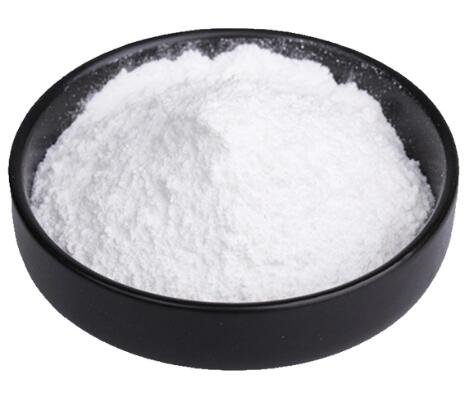
GSSG CAS:27025-41-8 Manufacturer Price
GSSG, also known as oxidized glutathione, is the disulfide form of the antioxidant glutathione (GSH). While GSH is the reduced and active form, GSSG is the oxidized and inactive form. GSSG is formed when GSH donates its electrons to neutralize free radicals or other reactive species. This conversion helps protect the body against oxidative damage. GSSG can be converted back to GSH through a recycling process involving the enzyme glutathione reductase. Monitoring the ratio of GSH to GSSG in the body is useful in assessing the antioxidant status and overall health.
-
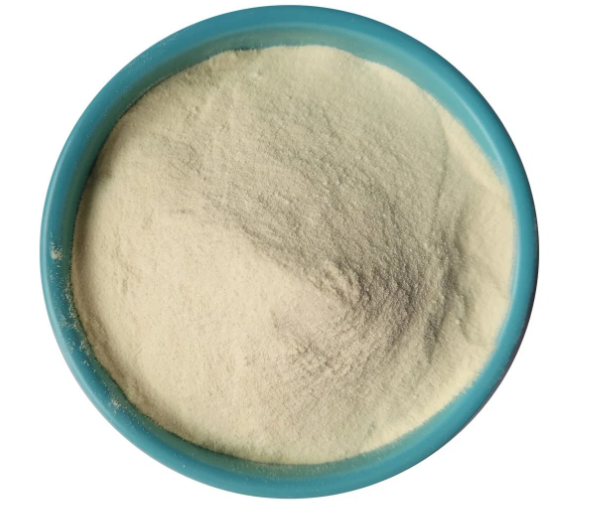
BCIP Na) 5-Bromo-4-chloro-3-indolyl phosphate disodium salt CAS:102185-33-1
5-Bromo-4-chloro-3-indolyl phosphate disodium salt is a synthetic compound commonly used in biochemical research as a chromogenic substrate for detecting the activity of alkaline phosphatase enzymes. It is often referred to as BCIP for short.
When alkaline phosphatase acts upon BCIP, it cleaves off the phosphate group, resulting in the formation of a blue-purple precipitate. This color change allows researchers to visualize and quantify the presence of alkaline phosphatase in a sample.
BCIP is frequently used in various applications, including immunohistochemistry, protein and nucleic acid blotting techniques, and enzyme-linked immunosorbent assays (ELISAs).
-

Iodoacetamide CAS:144-48-9 Manufacturer Price
Iodoacetamide is a chemical compound commonly used in biochemistry and molecular biology research. It is a thiol-reactive compound that specifically modifies cysteine residues in proteins by forming a covalent bond. This modification is often used in protein analysis techniques to block cysteine residues, such as in proteomics studies where it is utilized to selectively label and block cysteine residues prior to protein digestion and mass spectrometry analysis. Iodoacetamide is also used in protein structure studies and in the synthesis of labeled peptides.
-
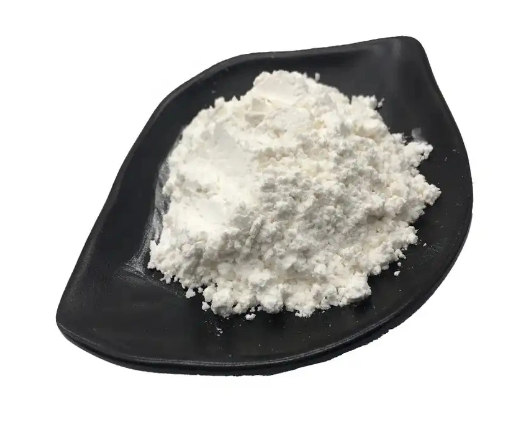
BCIP-Toluidine)5-Bromo-4-chloro-3-indolylphosphate-p-toluidine salt CAS:6578-06-9
5-Bromo-4-chloro-3-indolyl phosphate p-toluidine salt is a chemical compound commonly used in molecular biology and biochemistry research. It is often used in enzyme-linked immunosorbent assays (ELISA) and protein labeling techniques.
This compound is a substrate for alkaline phosphatase, an enzyme widely used in molecular biology for detecting the presence of specific molecules or proteins through colorimetric or chemiluminescent reactions.
When the alkaline phosphatase enzyme is present, it cleaves the phosphate groups from 5-Bromo-4-chloro-3-indolyl phosphate p-toluidine salt, resulting in the formation of a blue or purple dye. This color change can be easily detected and quantified, enabling the measurement of enzyme activity or the presence of target molecules.
-
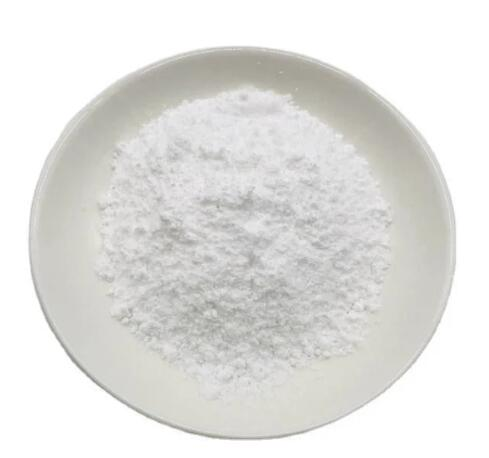
N,N-Dimethyl-1,4-phenylenediamine dihydrochloride CAS:536-46-9
N,N-Dimethyl-1,4-phenylenediamine dihydrochloride is a chemical compound that is commonly referred to as DMPD dihydrochloride. It is a solid, crystalline substance that is soluble in water and other polar solvents.
DMPD dihydrochloride is often used in various chemical reactions and processes, including oxidation and reduction reactions. It can serve as a source of electrons or as an electron acceptor, making it useful in the synthesis of dyes, pharmaceuticals, and other organic compounds.
In addition to its reactivity, DMPD dihydrochloride is known for its strong reducing properties. It can be used as a reductant in analytical chemistry techniques, such as spectrophotometry, where it helps to quantify the concentration of certain substances.

