-

4-Fluoro-7-nitrobenzofurazan CAS:29270-56-2
4-Fluoro-7-nitrobenzofurazan is a chemical compound with the molecular formula C6H2FN3O3. It is a yellow crystalline solid that is primarily used as a reagent in various chemical reactions. 4-Fluoro-7-nitrobenzofurazan is known for its ability to react with primary amines, forming fluorescent derivatives that can be useful in analytical applications such as protein labeling and amino acid analysis. It is also used in studies related to enzyme kinetics and the determination of nucleic acid sequences.
-
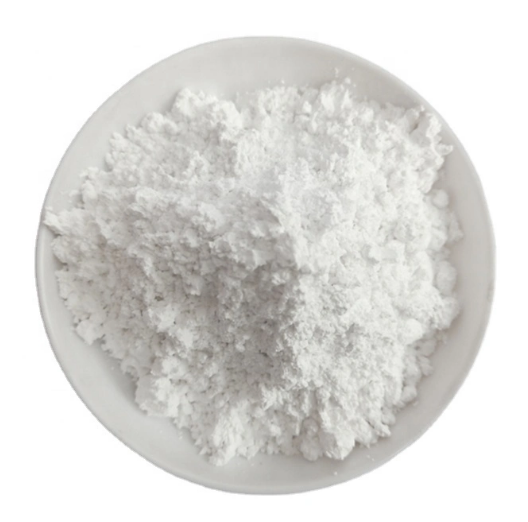
5-Bromo-4-chloro-3-indolyl-beta-D-glucuronide cyclohexylammonium salt CAS:18656-96-7
5-Bromo-4-chloro-3-indolyl-beta-D-glucuronide cyclohexylammonium salt, also known as X-glucuronide, is a chemical compound commonly used in molecular biology and enzymology experiments. It is a chromogenic substrate that is often utilized to detect the activity of the enzyme beta-D-glucuronidase.
The compound consists of an indole group coupled to a glucuronic acid moiety through a glycosidic bond. The bromo and chloro substituents provide stability and enhance the solubility of the compound.
When incubated with a sample containing beta-D-glucuronidase, the enzyme cleaves the glycosidic bond, releasing the indole moiety. This reaction results in the formation of a blue precipitate or color change, allowing for easy visual or spectrophotometric detection of the enzyme activity.
Due to its specificity for beta-D-glucuronidase, X-glucuronide is widely used in molecular biology techniques such as bacterial and yeast transformation assays, reporter gene assays, and histochemical staining. It provides a convenient and sensitive means to detect the presence or expression of beta-D-glucuronidase and is often employed in conjunction with other genetic or biochemical assays.
-

8-Anilino-1-naphthalenesulfonic acid CAS:82-76-8
8-Anilino-1-naphthalenesulfonic acid, also known as ANS, is a fluorescent dye commonly used in biochemical and biophysical research. It belongs to the class of organic compounds known as aniline-based sulfonic acids. ANS is known for its ability to bind to hydrophobic regions or exposed hydrophobic sites in proteins and other biomolecules.
ANS fluoresces when it is bound to hydrophobic regions, making it a useful probe for studying protein conformational changes, protein-protein interactions, and protein folding/unfolding processes. The binding of ANS to hydrophobic regions leads to a blue shift in the emission spectrum, which can be monitored using fluorescence spectroscopy.
ANS is often used in a variety of research techniques, including fluorescence polarization, fluorescence resonance energy transfer (FRET), and thermal stability assays. It has been utilized to study the structure and stability of proteins, protein-ligand interactions, and protein aggregation processes.
-
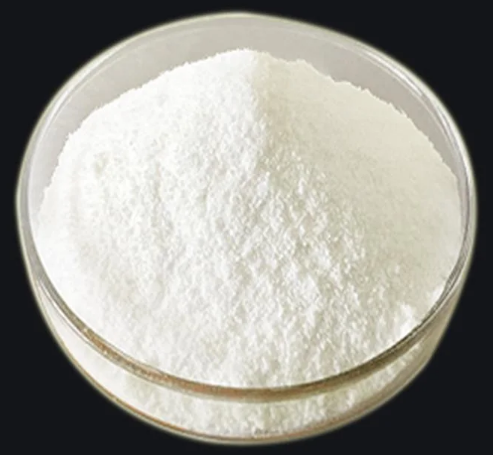
CHLOROPHENOLRED-BETA-D-GALACTOPYRANOSIDE, SODIUM SALT CAS:99792-50-4
CHLOROPHENOLRED-BETA-D-GALACTOPYRANOSIDE, SODIUM SALT is a chemical compound commonly used in laboratory experiments to detect the presence of enzymes that can break down lactose, such as beta-galactosidase. It is a colorless to pale yellow powder that turns red in the presence of these enzymes, making it a useful indicator for their activity. The sodium salt form of this compound improves its solubility in aqueous solutions, allowing for easy preparation and use in various enzymatic assays.
-

Tert-Butylamine CAS 75-64-9 – Reliable Quality for Advanced Applications
Tert-Butylamine (CAS 75-64-9) stands out for its high purity, consistent performance, and excellent chemical stability. This versatile aliphatic amine is prized for its remarkable solubility and compatibility in a wide range of industries. Key advantages include its effectiveness as a building block in organic synthesis, intermediate in pharmaceuticals, and accelerator in rubber processing. Tert-Butylamine also finds value in agrochemicals and as a corrosion inhibitor in lubricants. Choosing our product means working with professionals who prioritize stringent quality control and tailored customer solutions, ensuring you receive reliable, on-time supply with technical support. Interested in maximizing performance for your next project? Reach out now and let’s discuss your requirements!
-

Neocuproine CAS 484-11-7 – Precision Ligand for Advanced Research
Neocuproine (CAS 484-11-7) stands out as a high-purity, specialized chelating agent renowned for its exceptional selectivity toward copper(I) ions. Its robust chemical stability and well-defined crystalline structure make it a favored choice in both academic and industrial laboratories. Key advantages include its reliable performance in spectroscopic studies, bioinorganic research, and catalysis, as well as its compatibility with various analytical and synthetic applications. Neocuproine’s proven efficacy facilitates the development of sensitive detection methods and innovative complexes in chemical and biochemical investigations. Choosing us ensures you receive rigorously tested quality, transparent sourcing, and expert technical support tailored for your unique requirements. If you’re curious about how Neocuproine can enhance your project, don’t hesitate to reach out—your next research breakthrough could start here. Contact me today to discuss your needs or request a quote!
-
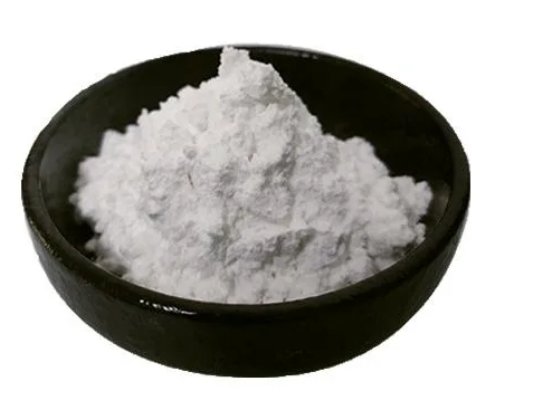
N,N-Dimethyl-p-phenylenediamine dihydrochloride CAS:536-46-9
N,N-Dimethyl-p-phenylenediamine dihydrochloride is a chemical compound commonly used in various scientific and industrial applications. It is a white to off-white crystalline powder with a molecular formula of C8H14N2·2HCl.
This compound has a wide range of uses due to its properties and reactivity. It is often employed as an analytical reagent for the determination of peroxides and as a dye intermediate in the production of various colorants and pigments.
In the field of analytical chemistry, N,N-Dimethyl-p-phenylenediamine dihydrochloride is frequently utilized as a colorimetric indicator for the determination of oxidative species, such as hydrogen peroxide or peroxides in samples. The compound undergoes a color change upon reaction with these oxidizing agents, allowing for their quantification.
Furthermore, this compound can also be found in the formulation of hair dyes, where it acts as a color developer. Its ability to create vibrant and long-lasting colors makes it popular in the cosmetic industry.
-

Creatine phosphate disodium salt CAS:922-32-7
Creatine phosphate disodium salt is a compound that consists of creatine, a naturally occurring amino acid derivative, bound to phosphate groups and sodium ions. It plays a crucial role in providing energy for muscle contraction and is commonly used as a dietary supplement by athletes and bodybuilders.
When consumed, creatine phosphate disodium salt is converted into creatine phosphate in the body, which is then stored in the muscles. During high-intensity activities, such as weightlifting or sprinting, creatine phosphate acts as a readily available source of high-energy phosphate bonds, allowing for the rapid replenishment of adenosine triphosphate (ATP).
ATP is the primary energy molecule used by muscles, and its levels decrease rapidly during intense exercise. By supplementing with creatine phosphate, athletes can increase the availability of ATP, leading to improved muscle performance, increased power, and reduced fatigue.
Additionally, creatine phosphate disodium salt may have other potential benefits, including increased muscle mass, enhanced recovery, and improved cognitive function. It is typically taken orally in powder or tablet form, either as a standalone supplement or as part of a pre-workout or post-workout supplement regimen.
-
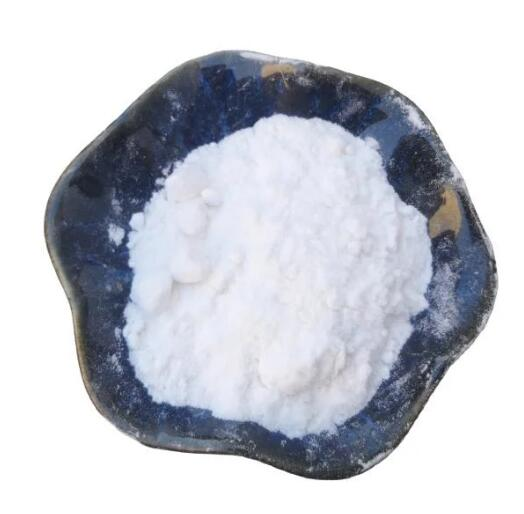
2′,6′-DiMethylcarbonylphenyl-10-sulfopropylacridiniuM-9-carboxylate 4′-NHS Ester CAS:194357-64-7
2′,6′-DiMethylcarbonylphenyl-10-sulfopropylacridinium-9-carboxylate 4′-NHS ester is a chemical compound with a complex molecular structure. It contains a sulfopropylacridinium group and a carboxylate ester functional group. The presence of the ester moiety indicates that it is reactive and can be used as a labeling or modifying agent for biomolecules.
The compound’s sulfopropylacridinium group suggests that it may have potential applications in fluorescence-based assays, where it can be used as a fluorescent probe or dye for detecting and analyzing biomolecules. It may also have relevance in studies of cellular processes, such as intracellular calcium signaling.
The inclusion of the NHS ester group indicates that it can react with primary amines, such as those found in proteins or peptides, to form stable amide bonds. This reactivity makes it useful for bioconjugation applications, where it can be used to label or modify biomolecules with other functional molecules, such as fluorophores or tags.
-

ABEI CAS:66612-29-1 Manufacturer Price
N-(4-Aminobutyl)-N-ethylisoluminol, also known as ABEI, is a luminescent compound often used as a chemiluminescent probe in bioanalytical applications. It belongs to the class of isoluminol derivatives and is widely used in immunoassays and DNA/RNA detection techniques.
.
-
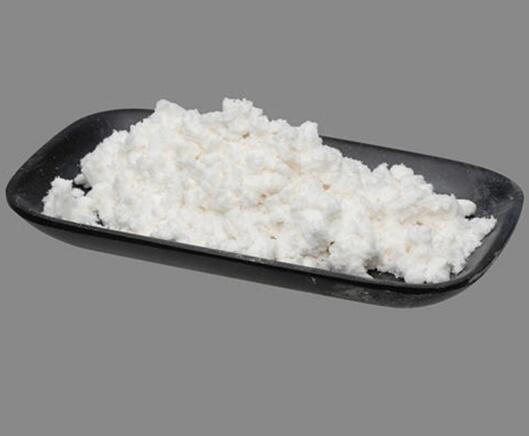
Z-GLY-PRO-PNA CAS:65022-15-3
Z-GLY-PRO-PNA is a peptide nucleic acid (PNA) derivative with the sequence Z-Gly-Pro. This compound is commonly used in research and diagnostics for its ability to bind specifically to complementary nucleic acid sequences. The addition of the Z-group on the N-terminus allows for efficient targeting and delivery to the desired molecular targets. With its unique combination of peptide and nucleic acid properties, Z-GLY-PRO-PNA offers great potential in various applications, including gene therapy, molecular diagnostics, and drug development.
-
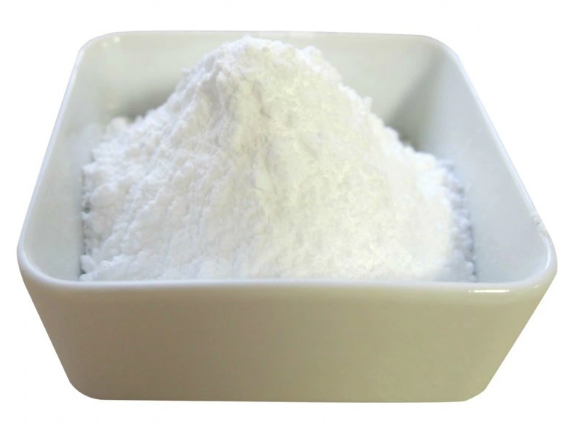
TRIS-Acetate CAS:6850-28-8 Manufacturer Price
TRIS-Acetate, is a buffer commonly used in biological and biochemical experiments. It is a combination of Tris base and acetic acid, resulting in a pH-stable solution that is used to control and maintain the desired pH range for a variety of applications.TRIS-Acetate is particularly useful in DNA and RNA studies, as it provides a suitable environment for enzyme activities, electrophoresis, and gel electrophoresis. It helps maintain the stability and integrity of nucleic acids during various procedures, such as DNA sequencing, polymerase chain reaction (PCR), and agarose gel electrophoresis.In addition to nucleic acid research, TRIS-Acetate is also utilized in protein isolation and purification procedures, membrane protein extraction, and cell culture experiments. Its versatile buffering capacity makes it a valuable tool in many areas of scientific research, ensuring optimal conditions for biological reactions and maintaining the stability of enzymes and proteins.

