-
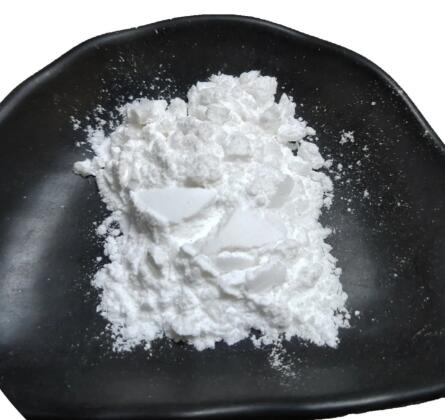
Glutathione oxidized CAS:27025-41-8
Glutathione oxidized is the disulfide form of the naturally occurring antioxidant compound glutathione. It plays a crucial role in maintaining cellular health and protecting cells from oxidative damage. Glutathione oxidized is formed when glutathione becomes oxidized through the loss of electrons. It serves as a recycling agent for reduced glutathione and helps maintain the balance between the oxidized and reduced forms of glutathione in the body. Glutathione oxidized is involved in various biological processes, such as detoxification, immune system function, and regulation of cellular redox status. It is also used in some cosmetic and skincare products for its potential skin-lightening and anti-aging effects.
-
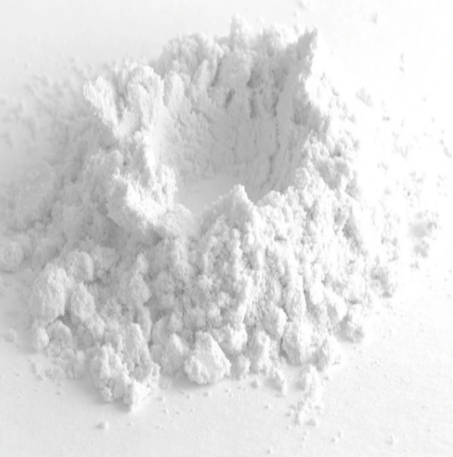
Glutathione reduced CAS:70-18-8
Glutathione reduced, also known as GSH, is a powerful antioxidant that supports cellular function, detoxification, immune health, and energy production. It plays a vital role in protecting cells from damage, removing toxins from the body, supporting the immune system, promoting cellular repair, and enhancing overall well-being. It is commonly used in skincare products for its potential benefits in maintaining healthy skin.
-
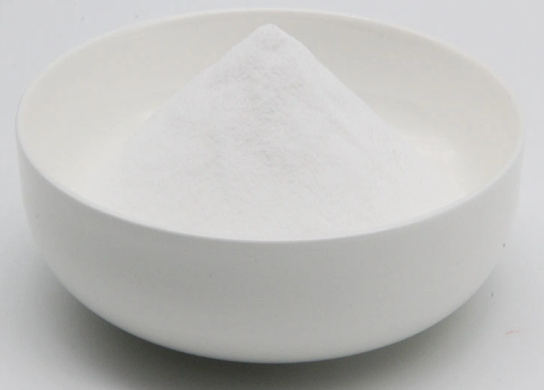
Glycylglycine CAS:556-50-3 Manufacturer Price
Glycylglycine is a dipeptide that consists of two glycine molecules linked together by a peptide bond. It is classified as a non-essential amino acid, which means that it can be synthesized by the body and is not necessarily required through dietary sources.
Glycylglycine plays several important roles in the body. It is involved in protein and peptide synthesis, as it serves as a building block for the formation of longer amino acid chains. It also functions as a neurotransmitter precursor, participating in the synthesis of neurotransmitters like glycine and serotonin, which are essential for nervous system function.
Furthermore, glycylglycine acts as a buffering agent and helps regulate the pH balance in bodily fluids. It can bind to excess hydrogen ions (H+) to maintain proper acid-base equilibrium, ensuring that the body’s internal environment remains stable.
Glycylglycine is commonly used in research laboratories and pharmaceutical applications. It has been studied for its potential therapeutic effects, including its role in wound healing, tissue repair, and skin hydration. Additionally, it has been investigated for its antioxidant properties and its ability to scavenge harmful free radicals in the body.
-
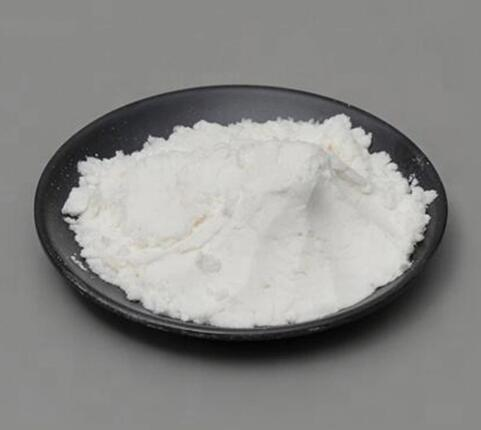
Acetylthiocholine iodide CAS:1866-15-5
Acetylthiocholine iodide is a chemical compound commonly used in biochemical research as a substrate for the enzyme acetylcholinesterase. It is a derivative of acetylcholine with a sulfur atom substituted for the oxygen atom present in the parent compound. Acetylthiocholine iodide is extensively used in enzyme assays and studies involving cholinergic processes in the nervous system. Its iodide salt form enhances its solubility in aqueous solutions, making it easier to work with in laboratory settings.
-
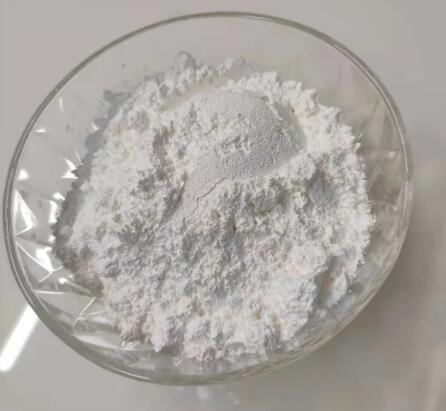
beta-D-Glucose 6-phosphate monosodium salt anhydrous CAS:54010-71-8
beta-D-Glucose 6-phosphate monosodium salt anhydrous is a chemical compound that belongs to the family of glucose phosphates. It is a derivative of glucose, where a phosphate group is attached to the 6th carbon atom of the glucose molecule. Additionally, it contains a monosodium salt form, which means it has a sodium ion associated with it.
This compound is an important intermediate in various metabolic pathways, especially in carbohydrate metabolism. It plays a crucial role in the metabolism of glucose, where it is involved in the breakdown of glucose for energy production or the synthesis of glycogen and other complex carbohydrates.
The monosodium salt form of beta-D-Glucose 6-phosphate enhances the solubility and stability of the compound, making it more suitable for various research and industrial applications. Due to its involvement in key metabolic processes, it is frequently used in biochemical and enzymatic studies, as well as in the production of pharmaceuticals, food additives, and other chemical compounds.
-
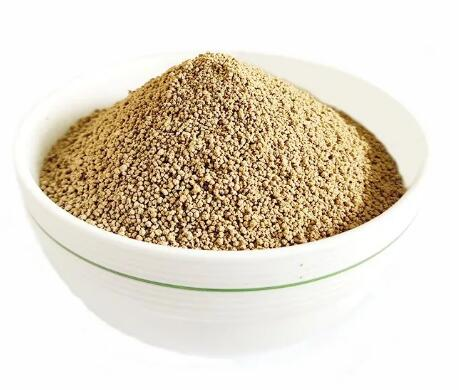
3,4,5,6-Tetrabromophenolsulfonephthalein CAS:77172-72-6
3,4,5,6-Tetrabromophenolsulfonephthalein is a synthetic chemical compound that is commonly used as a pH indicator in laboratory experiments. It appears as a yellowish-brown solid and changes color from yellow to violet depending on the pH of the solution. This compound is particularly useful in determining the acidity or alkalinity of substances in a wide range of scientific applications.
-
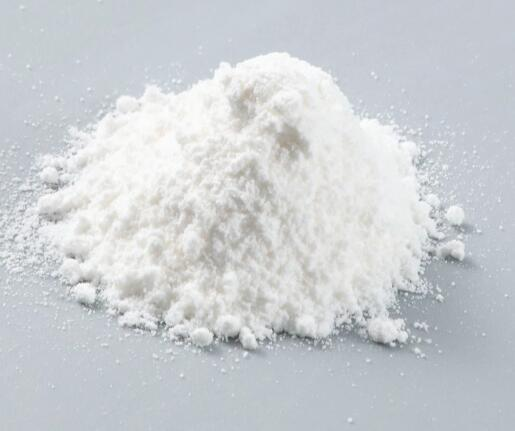
S-Nitrosoglutathione CAS:57564-91-7 Manufacturer Price
S-Nitrosoglutathione (GSNO) is a small molecule composed of three amino acids (glutamine, cysteine, and glycine) and a nitric oxide (NO) group. It acts as a storehouse and transporter of nitric oxide, a crucial signaling molecule in the body. GSNO is involved in various physiological processes including antioxidant activity, protein modification, anti-inflammatory effects, and cardiovascular regulation. It has potential therapeutic applications for conditions such as cardiovascular diseases, neurodegenerative disorders, and cancer.
-
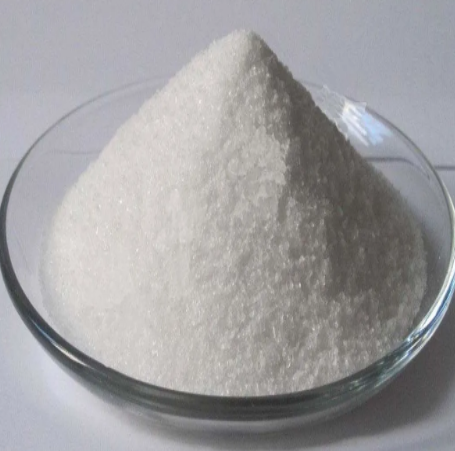
3,5-Dichloro-2-hydroxybenzenesulfonic acid sodium salt CAS:54970-72-8
3,5-Dichloro-2-hydroxybenzenesulfonic acid sodium salt is a chemical compound that is commonly used as a reagent in organic synthesis. It appears as a white to off-white crystalline powder and is soluble in water. With the presence of chlorine and hydroxyl groups, it can be utilized in various chemical reactions such as sulfonation or halogenation. This compound has applications in the pharmaceutical and chemical industries as an intermediate or building block in the synthesis of organic compounds.
-
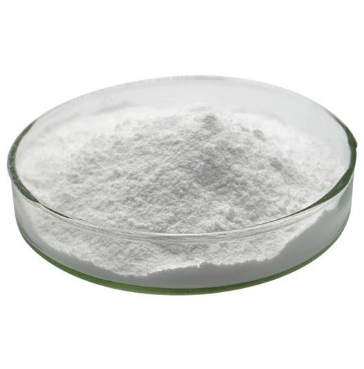
Tetradecyl trimethyl ammonium bromide CAS:1119-97-7
Tetradecyl trimethyl ammonium bromide (TTAB) is a cationic surfactant with a 14-carbon alkyl chain. It is commonly used as a detergent, emulsifier, and antimicrobial agent in various industries. TTAB lowers surface tension and increases the solubility of substances in water, making it effective in cleaning, disinfection, and as an ingredient in personal care products. It can also act as a phase transfer catalyst, facilitating reactions between immiscible phases in organic synthesis.
-
![3H-Indolium, 2-[2-(4-hydroxy-3,5-diiodophenyl)ethenyl]-3,3-dimethyl-1-(3-sulfopropyl)-, inner salt CAS:145876-11-5](https://cdn.globalso.com/xindaobiotech/图片926.png)
3H-Indolium, 2-[2-(4-hydroxy-3,5-diiodophenyl)ethenyl]-3,3-dimethyl-1-(3-sulfopropyl)-, inner salt CAS:145876-11-5
The compound, 3H-Indolium, 2-[2-(4-hydroxy-3,5-diiodophenyl)ethenyl]-3,3-dimethyl-1-(3-sulfopropyl)-, inner salt, is a synthetic organic compound. It is a derivative of indole and contains iodine substituents on a phenyl ring.
This compound is known for its fluorescent properties and is commonly used as a fluorescent dye in biological and chemical research. It can be employed as a staining agent to label and visualize various biomolecules, such as proteins, nucleic acids, or lipids, in biological samples.
The addition of a sulfopropyl group to the indolium moiety improves solubility in aqueous solutions, making it suitable for applications in biological systems.
-
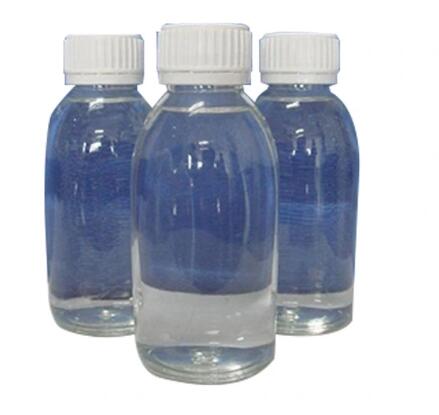
Methyl Jasmonate CAS:1211-29-6
Methyl jasmonate is a natural plant hormone and volatile organic compound. It is derived from jasmonic acid, which is produced in response to various biotic and abiotic stresses such as herbivory, pathogen attack, and mechanical damage. Methyl jasmonate plays a crucial role in plant defense mechanisms and signaling pathways. It regulates several physiological processes, including seed germination, root growth, flowering, senescence, and fruit ripening. Methyl jasmonate is also known for its ability to induce the production of secondary metabolites, such as volatile organic compounds and defense-related compounds like alkaloids, terpenoids, and phenolics. It is widely used in agricultural and horticultural applications to enhance plant resistance against pests and diseases, promote plant growth and development, and improve post-harvest quality of fruits and vegetables. Additionally, methyl jasmonate is a popular tool in plant research as a chemical inducer of stress responses and a modulator of plant signaling pathways.
-

3-Hydroxy-2,4,6-tribromobenzoic acid CAS:14348-40-4
3-Hydroxy-2,4,6-tribromobenzoic acid is a chemical compound with the formula C7H3Br3O3. It is a derivative of benzoic acid, with three bromine atoms attached to different positions on the benzene ring, and a hydroxyl group (-OH) attached at position 3.This compound is primarily used as a building block or intermediate in organic synthesis, particularly in the pharmaceutical and agrochemical industries. It can be utilized in the synthesis of various biologically active compounds, such as pharmaceutical drugs, herbicides, and insecticides. The bromine atoms on the benzene ring can serve as reactive sites for further modifications, allowing for the creation of diverse chemical structures.3-Hydroxy-2,4,6-tribromobenzoic acid is typically a white to off-white solid, and its properties make it a valuable tool for chemists in designing and synthesizing new compounds with desired characteristics and activities.

