-

Kojic Acid CAS:501-30-4 Manufacturer Supplier
Kojic acid is a skin-lightening agent that acts through anti-oxidant activity. Kojic acid is a tyrosinase inhibitor, although it is not as effective as licorice extract. When combined with allantoin and other proper ingredients in sunscreen preparations, the mixture can inhibit uV-caused erythema and accelerate wound healing. It is also found to be skin sensitizing and can be irritating.
-

Tea Polyphenols CAS:84650-60-2 Manufacturer Supplier
Tea polyphenols exhibit anti-carcinogenic, anti-oxidative, anti-allergic, antiviral, anti-hypertensive, anti-atherosclerosis, anti-cardiovascular disease and anti-hypercholesterolemic activities. EGCG has shown to inhibit hepatitis C virus entry and carcinogenesis. Studies suggest that tea polyphenols may help treat health conditions including atherosclerosis, high cholesterol, and cancers including bladder cancer, breast cancer, ovarian cancer, colorectal cancer, esophageal cancer, lung cancer, pancreatic cancer, prostate cancer, skin cancer, and stomach cancer. Tea polyphenols could be helpful in treating inflammatory diseases.
-
Butylated Hydroxy Anisole (BHA) CAS:25013-16-5 Manufacturer Supplier
Butylated hydroxyanisole is an antioxidant with some antimicrobial properties. It is used in a wide range of cosmetics, foods, and pharmaceuticals. When used in foods, it is used to delay or prevent oxidative rancidity of fats and oils and to prevent loss of activity of oil-soluble vitamins.Butylated hydroxyanisole (BHA) is an antioxidant widely used in food. Because it is contained in pastry, it can induce sensitization in caterers.
-
Glucomannan (Konjac Flour) CAS:11078-31-2 Manufacturer Supplier
Glucomannan is a linear polysaccharide comprising 1,4-β-linked D-glucosyl and D-mannosyl residues, where the glucose:mannose (Glc:Man) ratio varies considerably. Konjac (Amorphophallus konjac) glucomannan has a Glc:Man ratio of approx. 2:3, Aloe vera glucomannan a ratio of 1:2, and salep (Orchis mureo) glucomannan has a ratio of approximately 1:4. All of the polysaccharides are acetylated, which imparts water solubility. Glucomannans are major cell-wall reserve carbohydrates in tubers of several plant genera. At certain stages in the development of the plants, the glucomannan is degraded and serves as an energy source.
-
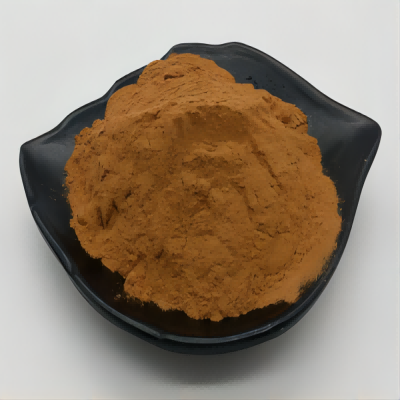
Lecithin CAS:8002-43-5 Manufacturer Supplier
Lecithins are used in a wide variety of pharmaceutical applications. They are also used in cosmetics and food products.Lecithins are mainly used in pharmaceutical products as dispersing, emulsifying, and stabilizing agents, and are included in intramuscular and intravenous injections, parenteral nutrition formulations, and topical products such as creams and ointments.Lecithins are also used in suppository bases, to reduce the brittleness of suppositories, and have been investigated for their absorption-enhancing properties in an intranasal insulin formulation. Lecithins are also commonly used as a component of enteral and parenteral nutrition formulations.
-
Tertiary Butylhydroquinone (TBHQ) CAS:1948-33-0 Manufacturer Supplier
Tert-Butylhydroquinone (TBHQ) is an antioxidant used to preserve oils, fats and food items. It is found in vegetable oils and animal fats, varnishes, lacquers, resins, oils field additives, and perfumes.In low concentrations it shows cytoprotective qualities while at higher concentrations it exhibits cytotoxic behavior.TBHQ was used to study the inactivation of barotolerant strains of Listeria monocytogenes and Escherichia coli.Environment friendly electrode materials for supercapacitors were attained by decorating the surface of graphene nanosheets with TBHQ.
-
Butylated Hydroxytoluene (BHT) CAS:128-37-0 Manufacturer Supplier
Butylated hydroxytoluene is a synthetic phenolic compound mainly used as an antioxidant and preservative in the food industry. It is used to prevent the lipid oxidation in oils and fat-containing foods.Butylated Hydroxytoluene toxicity is generally considered as being low.Since Butylated Hydroxytoluene is used in many near consumer products population wide exposure is expected.
-
Gluconic Acid CAS:526-95-4 Manufacturer Supplier
Gluconic acid (also known as gluconate) is an organic compound occurring widely in nature arising from the glucose oxidation. It is naturally found in fruit, honey and wine. It can also be used as a food additive to regulate acidity and a cleaning agent in alkaline solution. Its calcium salt, calcium gluconate can be used to treat burns from hydrofluoric acid and avoid necrosis of deep tissues as well as treating the verapamil poisoning and hypocalcemia in hospitalized patient. Some salts of gluconate can also be used to treat malaria (quinidine gluconate) and anemia (ferrous gluconate). In microbiology, gluconate is a common carbon source that can be supplemented to the medium for cell growth.
-
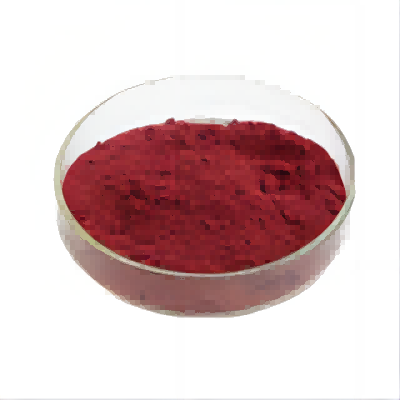
Lycopene CAS:502-65-8 Manufacturer Supplier
Lycopene is a red-colored carotenoid found in tomatoes and other red fruits and vegetables. Carotenoids, including lycopene, are powerful antioxidants that efficiently quench singlet oxygen. Presumably through this action, carotenoids may protect against cancers, cardiovascular stress, and other diseases.
-
Vitamin C (Ascorbic acid) CAS:50-81-7 Manufacturer Supplier
Ascorbic acid, a water-soluble dietary supplement, is consumed by humans more than any other supplement. The name ascorbic means antiscurvy and denotes the ability of ascorbic to combat this disease. Vitamin C is the l-enantiomer of ascorbic acid. Ascorbic acid deficiency in humans results in the body’s inability to synthesize collagen, which is the most abundant protein in vertebrates.
-
Calcium Gluconate CAS:299-28-5 Manufacturer Supplier
Calcium gluconate is the calcium salt of gluconate, being an oxidative product of glucose containing 9.3% calcium. Calcium gluconate is a kind of mineral supplement and medication. It can be used for vein injection to treat the low blood calcium, high blood potassium, and magnesium toxicity. It is required only when there is not enough calcium in the diet. It is also used for the treatment of black widow spider bites to relieve muscle cramping and treatment of osteoporosis or rickets. It can also be used to decrease the capillary permeability in allergic conditions, nonthrombocytopenic purpura and exudative dermatoses.
-
Glucono-Delta Lactone (GDL) CAS:90-80-2 Manufacturer Supplier
Delta-Gluconolactone (GDL) is a lactone of the D-gluconate. It is a natural constituent of many foods. It can be found in honey, fruit juices, wine and many-fermented products1-3. It is used as a food additive with the E number E575 used as a sequestrant, an acidifier (it lower the pH and also help preserve the food from deterioration by enzymes and organisms), or a curing, pickling, or leavening agent. GDL has been marketed for use in feta cheese. GDL is neutral, but hydrolyses in water to gluconic acid that is acidic, adding a tangy taste to foods, though it has roughly a third of the sourness of citric acid. It can be used as nutritional supplement in beverage such as in Instant Drinks, Syrups, RTD Tea and Coffee, Sports and Energy Drinks, Waters.