-

Pectin CAS:9000-69-5 Manufacturer Supplier
Pectin is a polysaccharide is rich in galacturonic acid and possesses a complex structure and function.Pectin is a high molecular weight polyuronide. It is related to the carbohydrate family and is present in fruits and berries.Pectin is used as a thickening agent in cosmetic preparations given its gelling properties. It is soothing and mildly acidic and extracted from apples or the inner portion of citrus fruit rind.
-

Polyglycerol Fatty Acid Ester(PGFE) CAS:67784-82-1 Manufacturer Supplier
Polyglyceryl Ester Of Fatty Acid (PGFE) is the general name of a series of products, also known as polyglycerin ester (PGFE), polyglycerol mono-polyfatty acid ester, fatty acid polyglycerin ester, characterized by more hydrophilic hydroxyl groups.
-
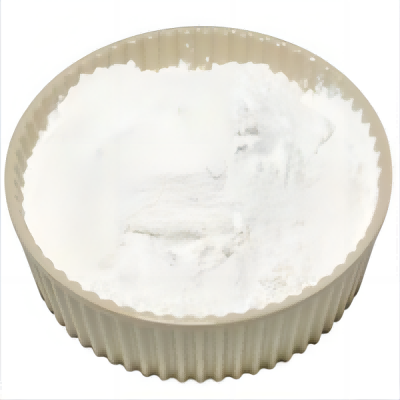
Propylene Glycol Alginate (PGA) CAS:9005-37-2 Manufacturer Supplier
Propylene glycol alginate is practically odorless and tasteless. The propylene glycol ester of alginic acid varies in composition according to its degree of esterification and the percentages of free and neutralized carboxyl groups in the molecule.
-
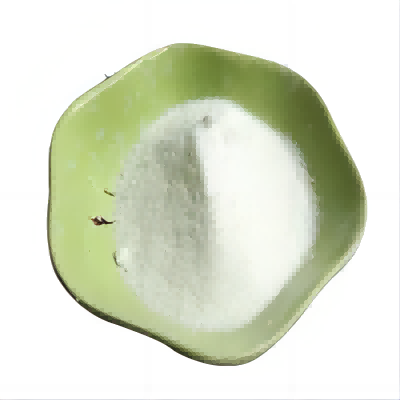
Sodium Alginate CAS:9005-38-3 Manufacturer Supplier
Sodium alginate is the sodium form of alginate. Alginate is a linear, anionic polysaccharide consisting of two form of 1, 4-linked hexuronic acid residues, β-d-mannuronopyranosyl (M) and α-l- guluronopyranosyl (G) residues. It can be arranged in the form of blocks of repeating M residues (MM blocks), blocks of repeating G residues (GG blocks), and blocks of mixed M and G residues (MG blocks). Commercially available alginate currently originates from algae. Alginate has wide applications. For example, one of its most important role is being used as wound dressing materials for the treatment of acute or chronic wounds. The use of alginate crosslinking to make hydrogels for cell encapsulation is also quite valuable. The emergence of various kinds of its derivatives recently has further extended its application.
-
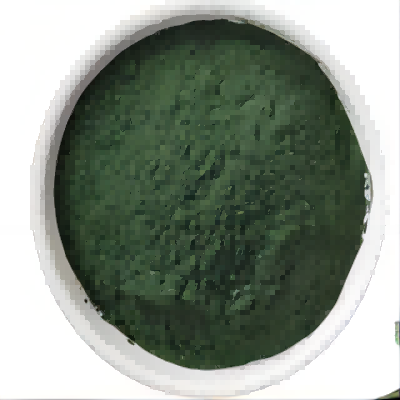
Sodium Copper Chlorophyllin CAS:28302-36-5 Manufacturer Supplier
Sodium copper chlorophyllin (SCC) is a water-soluble and bright green mixture derived from natural chlorophyll that has potential antimutagenic and antioxidant properties. This compound is used as a food colorant and supplement.SCC of the commercial-grade is prepared from a reaction between a crude chlorophyll extract and methanolic sodium hydroxide, followed by replacement of the central magnesium atom with a heavy metal.
-
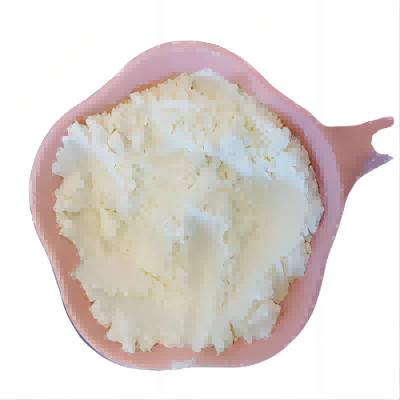
Span-60 CAS:1338-41-6 Manufacturer Supplier
Span 60 is a sorbitan monoester than is used as a non-ionic detergent.Sorbitan monostearate is a fatty acid ester.Sorbitan monostearate has a bland odor and taste. It is a mixture of partial stearic and palmitic acid esters of sorbitol and its mono- and dianhydrides.
-
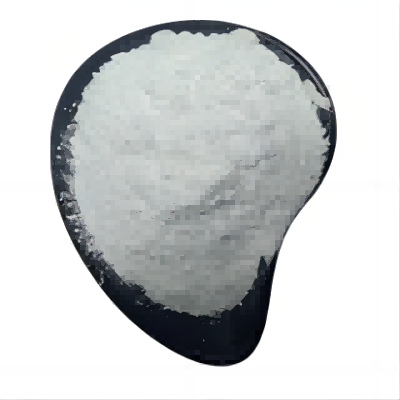
Titanium Dioxide CAS:1317-80-2 Manufacturer Supplier
Titanium dioxide is naturally presented in titanium ore and rutile titanium. Its molecular structure makes it contain high luminance and covering property. But it must be subject to first extraction and purification. 60 years ago, the DuPont Company had developed the chlorination process as the production technology of titanium dioxide. Because of its relative old sulfuric acid process, it is capable of manufacturing high-quality paint products while reducing environmental emissions and energy consumption and therefore has become the preferred technique in the world.Titanium dioxide (or TiO2) is the most widely used white pigment in the field of industry, being used in architecture, industry and automotive coatings; furniture, electrical appliances, plastic tape and plastic box-purpose plastic; high-grade magazines, publicity pictures and paper for attached film as well as specialty product such as ink, rubber, leather and elastomers.
-
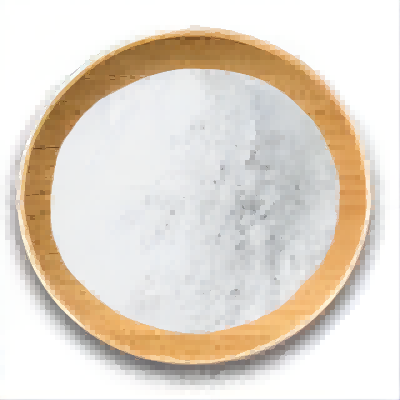
HydroxyPropyl Methylcellulose(HPMC) CAS:9004-65-3 Manufacturer Supplier
Hydroxypropyl methyl cellulose is a propylene glycol ether of methylcellulose in which both hydroxypropyl and methyl groups are bound to the anhydrous glucose ring of cellulose by ether linkages. Hydroxypropyl methyl cellulose is synthesized from methyl cellulose by the action of alkali and propylene oxide. The resultant product is a water soluble ether derivative of cellulose containing both methoxy and hydroxypropyl groups. The degree of substitution is 1.08 to 1.83 with the hydroxypropyl groups as the minor constituent. White to off-white fibrous powder or granules. Soluble in water and some organic solvents. Insoluble in ethanol, the aqueous solution has surface activity, forms a thin film after drying, and undergoes a reversible transition from sol to gel in turn by heating and cooling.
-
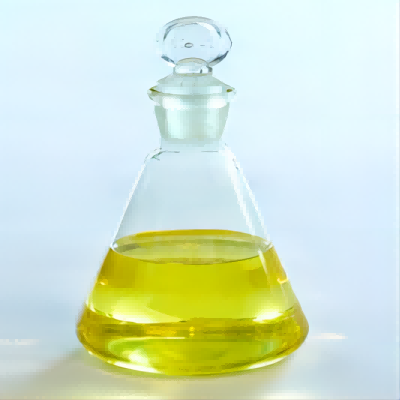
Tween 80 (Polysorbate 80) CAS:9005-65-6 Manufacturer Supplier
Tween 80, commonly known as polysorbate 80, is a synthetic compound that is widely applied in a variety of fields, including foods, medicines, and cosmetics. In food production, it is commonly used as a defoamer for the fermenting process of some wines and as a emulsifier in ice-cream or “puddings” to keep the creamy texture without separating. Tween 80 is also extensively applied in pharmaceutical industry, where it can be found in some vaccines, vitamins and supplements. It is an effective excipient to stabilize aqueous formulations of medications for parenteral administration and to improve the consistency of gel capsules, thus to make pills disperse in the stomach. Besides, it commonly serve as a surfactant and solubilizer in the production of soaps and cosmetics, which is effective to help dissolve ingredients and make products look creamier and more attractive. In laboratory, it is occasionally used for a test to identify the phenotype of a strain or isolate, such as mycobacteria.
-
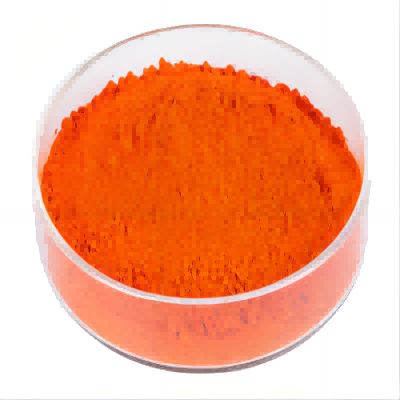
Beta Carotene CAS:7235-40-7 Manufacturer Supplier
Beta-Carotene is widely distributed in both plant and animal kingdoms and is the most important pro-vitamin A. In plants, it is almost always found with chlorophyll.beta-Carotene is an antioxidant and is one of the most important carotenoids and a source of vitamin A. It is abundantly present in fruits and vegetables which is also used as a food supplement and a colorant.
-

Gelatin CAS:9000-70-8 Manufacturer Supplier
Gelatin does not occur in nature as such, but is derived by hydrolysis of collagen, the chief protein component in connective tissues of the animal body. Extraction of gelatin for use as a glue by cooking hides dates back to the earliest recorded history of man and appears in the literature of the items up to the present day.
-
Gallic Acid CAS:149-91-7 Manufacturer Supplier
Gallic acid is a trihydroxybenzoic acid in which the hydroxy groups are at positions 3, 4, and 5. It has a role as an astringent, a cyclooxygenase 2 inhibitor, a plant metabolite, an antioxidant, an antineoplastic agent, a human xenobiotic metabolite, an EC 1.13.11.33 (arachidonate 15-lipoxygenase) inhibitor, an apoptosis inducer and a geroprotector. It is a conjugate acid of a gallate.

