-
Propyl Gallate CAS:121-79-9 Manufacturer Supplier
Propyl gallate (also known as propyl 3, 4, 5-trihydroxybenoate) is a kind of ester formed through the condensation of gallic acid and propanol. It appears as a fine white to creamy-white crystalline powder. It has long been used as a kind of antioxidants to be supplied to foods especially animal fats and vegetable oil, being especially effective with polyunsaturated fats. Propyl gallate, as an anti-oxidant, can protect the food and oils from the attack of hydrogen peroxide and oxygen free radicals, having an effect similar to the superoxide dismutase. It can also be applied to ethers, emulsion, waxes, and transformer oil as the antioxidants.
-

Disodium EDTA CAS:139-33-3 Manufacturer Supplier
Ethylenediaminetetra-acetic acid (abbreviated as EDTA) is used in several industrial applications attributing to its high ability to bind to most of metal cations. EDTA is produced as several salts, e.g. ethylenediaminetetra-acetic acid disodium salt (EDTAS).EDTA and its salts are used as chelating agents in cosmetic formulations. EDTAS is a preservative, sequestrant, and stabilizer in foods. EDTA is added to ascorbic acid-disodium benzoate containing soft drinks to mitigate the formation of benzene. EDTA and its salts are used as a component in the production of food-contact paper and paperboard. EDTAS is permitted in the feed and drinking water of animals and/or for the treatment of food-producing animals. In the textile industry, EDTA and its salts prevent metal ion impurities from changing colors of dyed products.
-
Carboxy methyl Cellulose (CMC) CAS:9004-32-4 Manufacturer Supplier
Sodium carboxymethyl cellulose is a water-soluble polymer. As a solution in water, it has thixotropic properties. It is useful in helping to hold the components of pyrotechnic compositions in aqucous suspension (e.g., in the making of black match). It is also an especially effective binder that can be used in small amounts in compositions, where the binder can intcrfere with the intended effect (e.g., in strobe compositions). However, its sodium content obviously precludes its use in most color compositions. Sodium carboxymethyl-cellulose is manufactured from cellulose by various proccsses that replacc some of the hy drogen atoms in the hydroxyl[OH] groups of the cellulose molecule with acidic carboxymethyl [-CH2CO.OH] groups,which are neutralized to form the corresponding sodium salt. Sodium carboxymethyl cellulose is white when pure; industrial grade material may be grayish-white or cream granules or powder.
-
Glyceryl Monolaurate CAS:142-18-7 Manufacturer Supplier
Glyceryl Monolaurate is a 1-monoglyceride with dodecanoyl (lauroyl) as the acyl group. It is a 1-monoglyceride and a dodecanoate ester.Glycerol monolaurate is an advanced food emulsifiers preservatives nowadays, exists in breast milk naturally .Distilled Glycerol Monolaurate(GML) 90% min is an advanced food emulsifiers preservatives nowadays.
-
Sodium Pyruvate CAS:113-24-6 Manufacturer Supplier
Sodium pyruvate is the sodium salt of pyruvate. It is frequently supplemented to the cell culture medium to act as a source of energy since it is a key intermediate during the production of the high-energy ATP molecules inside cells. For example, it can be used as a carbon source for bacteria. It may also protect cell against hydrogen peroxide, an oxidant to scavenger oxygen radicals. It is an important metabolic intermediate in many essential metabolic pathways such as carbohydrate metabolism. For example, it is converted into acetyl coenzyme A and enters into the TCA cycle (Kreb’s cycle) in organisms. It is also involved in the amino acid metabolism in organisms.
-
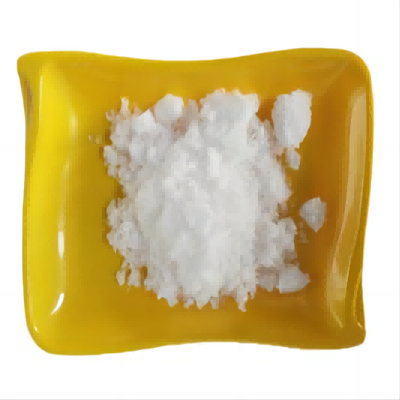
L-Arabinose CAS:5328-37-0 Manufacturer Supplier
L-Arabinose is considered a rare sugar that can be found naturally within the structures of most fruits and vegetables. Due to its low caloric sweetening effects, arabinose is commonly used in nutritional supplements and prescription drugs. In addition to its sweetening effects, when reacted with amino acid blends, using the Maillard Reaction, arabinose is able to contribute to the production of savory and meaty flavors used within the food and flavor industry.L-Arabinose is commonly used in the Flavor Industry to produce meaty or cooked/roasted flavors.
-

Sodium Lactate CAS:312-85-6 Manufacturer Supplier
Sodium lactate is an organic sodium salt having lactate as the counterion. It has a role as a food preservative and a food acidity regulator. It is an organic sodium salt and a lactate salt. It contains a lactate.
-
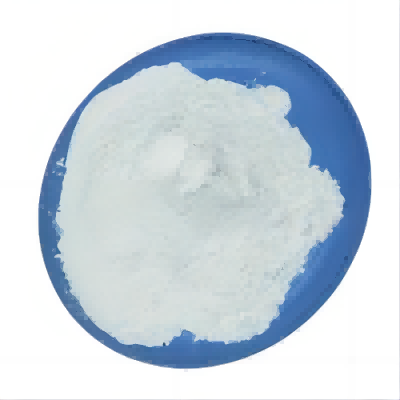
Zinc Picolinate CAS:17949-65-4 Manufacturer Supplier
Zinc picolinate is an organic zinc supplement wherein zinc atom is attached to a picolinic acid molecule. Studies have also suggested that zinc supplements may reduce the incidence of respiratory infections in children. A number of zinc supplements are available, including zinc acetate, zinc gluconate, zinc picolinate, and zinc sulfate. Zinc picolinate is a highly available form of zinc supplement, easily dissolved to release the elemental zinc for use in the body. Surprisingly, although Zinc picolinate is widely used as a supplement with greater bioavailability claims, there are very few scientific studies to back this claim.
-
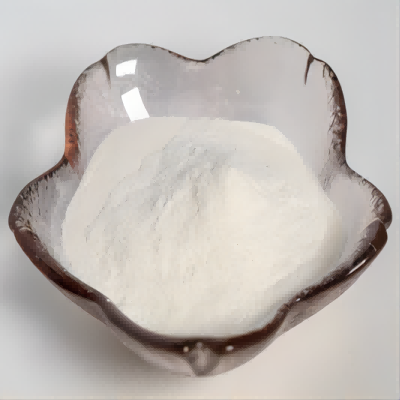
Stachyose CAS:54261-98-2 Manufacturer Supplier
Stachyose is similar to some water-soluble dietary fiber. It is non-toxic and can be eaten directly.Stachyose has a very obvious proliferation effect on beneficial bacteria such as bifidobacterium and lactobacillus in human gastrointestinal tract, and can rapidly improve the environment of human digestive tract.Stachnose is not damaged in the stomach, small intestine and other organs of the human body, and can directly reach the large intestine where the beneficial bacteria community is located, significantly promoting the proliferation of bifidobacteria.
-
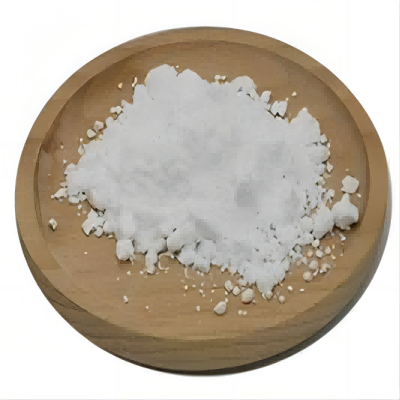
Arabic Gum CAS:9000-01-5 Manufacturer Supplier
Gum arabic[GA] is a branched-chain, complex polysaccharide, either neutral or slightly acidic, found as a mixed calcium, magnesium and potassium salt of a polysaccharidic acid[1-3]. Its backbone is composed of 1,3-linked b-D-galactopyranosyl units. The side chains are composed of two to five 1,3-linked b-D-galactopyranosyl units, joined to the main chain by 1,6-linkages.
-
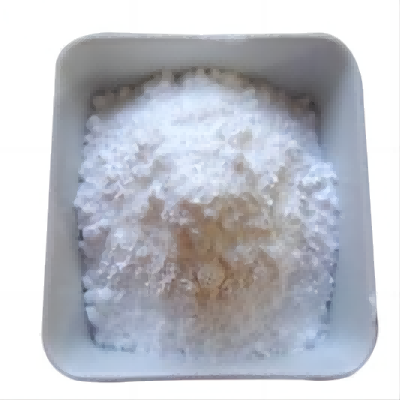
Magnesium L-Aspartate CAS:2068-80-6 Manufacturer Supplier
Magnesium L-aspartate is a novel feed additive, which can obviously improve the meat quality of livestock and poultry, and can also be used in food additives, medicine and health products.
-
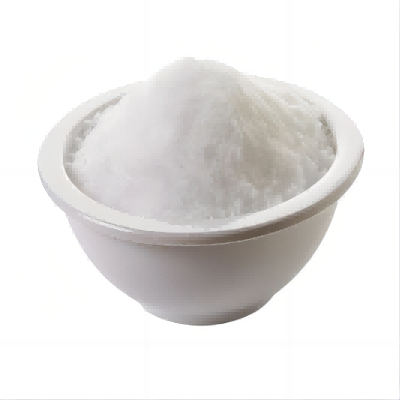
D-xylose CAS:31178-70-8 Manufacturer Supplier
Xylose is sugar isolated from wood. It is an aldopentose – a monosaccharide containing five carbon atoms and an aldehyde functional group. Xylose has the same sweet flavor as glucose and is 40% as sweet as sucrose. It is easily dissolved in water. It can improve the flavor of normal sweet foods and can inhibit odors. D-Xylose is accepted by FDA as a safe food ingredient (GRAS).

