-
Aspartame/APM CAS:22839-47-0 Manufacturer Supplier
Aspartame is a synthetic non-caloric sweetener that is metabolized to phenylalanine, aspartic acid, and methanol in the gut. Aspartame (80 mg/kg per day for 90 days) increases plasma alanine aminotransferase (ALT) and aspartate aminotransferase (AST) activity, induces hepatocyte degeneration and leukocyte infiltration in the liver, and reduces hepatic levels of reduced glutathione (GSH), oxidized glutathione (GSSG), and γ-glutamylcysteine (γ-GC) in mice. Formulations containing aspartame have been used as sweetening agents and flavor enhancers in foods and beverages.
-

Lactic Acid CAS:50-21-5 Manufacturer Supplier
Lactic acid (2-hydroxypropionic acid, CH3-CHOH-COOH) is the most widely occurring organic acid in nature. Due to its chiral a-carbon atom, lactic acid (LA) has two enantiomeric forms. Of these, L-(+)-lactic acid is more important in food and pharmaceutical industries because humans have only L-lactate dehydrogenase. The chemical behavior of lactic acid is mostly determined by the two functional groups. Besides the acidic character in aqueous medium, the bifunctionality (a terminal carboxylic acid and a hydroxyl group) allows lactic acid molecules to form ‘‘interesters’’ such as the cyclic dimers, the trimers, or longer lactic acid oligomers.
-
Potassium Pyrophosphate CAS:7320-34-5 Manufacturer Supplier
Potassium pyrophosphate, also known as tetra-sodium pyrophosphate, is made from the melting of di-potassium phosphate which causing it loss of one water molecule. At room temperature, it is as a white crystalline powder or granules and has a strong moisture absorption capability in air and is easily soluble in water but insoluble in ethanol. Its aqueous solution is alkaline and has effect on inhibition of food spoilage and fermentation.
-
Glycerol CAS:56-81-5 Manufacturer Supplier
Glycerol is a colorless, viscous, hygroscopic, sweet-tasting trihydric alcohol. It is also called glycerin or glycerine, with the term glycerol being preferred as the pure chemical form and the term glycerin(e) being primarily used when the compound is used commercially in various grades.
-
Potassium Sorbate CAS:590-00-1 Manufacturer Supplier
Potassium sorbate is a potassium salt having sorbate as the counterion. It has a role as an antimicrobial food preservative. It contains an (E,E)-sorbate.Potassium sorbate is use as an antimicrobial preservative prevents the growth of mold, bacteria and fungi in cheese, dried meats, baked goods, jellies and syrups. As a preservative in dried fruit, potassium sorbate often replaces sulfur dioxide, which has an aftertaste. The addition of potassium sorbate to dietary supplements inhibits microbes and increases shelf life. Many personal care products use potassium sorbate to prolong shelf stability and prevent bacteria contamination. Acting as a wine stabilizer, potassium sorbate prevents yeast from fermentation past the wine’s bottling stage. By inhibiting the fermentation process, it ceases production of yeast.
-

Zinc Citrate Dihydrate CAS:5990-32-9 Manufacturer Supplier
Zinc citrate dihydrate can be used as nutrition fortifier, zinc fortifier, and can be used in food, health care products and medical treatment.Zinc citrate is suitable for the manufacture of tablet nutritional supplements and powdery mixed food as an organic zinc supplement ;Because of its chelating function, it can increase the clarity of fruit juice drinks and the crisp acidity of fruit juice, so it is widely used in fruit juice drinks.Meanwhile it can also be used in cereals and their products and salt .
-
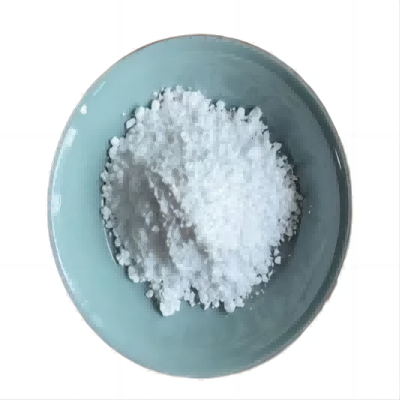
Neotame CAS:165450-17-9 Manufacturer Supplier
Neotame is a water-soluble, nonnutritive, intense sweetening agent used in beverages and foods. It is structurally related to aspartame and is about 7000–13 000 times sweeter than sucrose, and about 30–60 times sweeter than aspartame, making it the sweetest artificial sweetener available. Neotame is said to have a ‘clean’ sweet taste in contrast to the bitter, metallic aftertaste associated with saccharin. Although neotame has approximately the same caloric value as sucrose (1.2 kJ/g) the small quantities used to achieve a desired level of sweetness in a formulation mean that it is essentially nonnutritive.Neotame may be used in sub-sweetening quantities as a flavor enhancer, e.g. with mint or strawberry flavor.
-
Trehalose CAS:99-20-7 Manufacturer Supplier
Trehalose is a nonreducing disaccharide in which the two glucose molecules are linked together in an α,α-1,1-glycosidic linkage. α,α-trehalose is the only anomer of trehalose, which has been isolated from and biosynthesized in living organisms. This sugar is present in a wide variety of organisms, including bacteria, yeast, fungi, insects, invertebrates, and lower and higher plants, where it may serve as a source of energy and carbon. It can be used as a stabilizer and protectant of proteins and membranes: protection from dehydration; protection from damage by oxygen radicals (against oxidation); protection from cold; as a sensing compound and/or growth regulator; as a structural component of the bacterial cell wall. Trehalose is used in the biopharmaceutical preservation of labile protein drugs and in the cryopreservation of human cells. It is used as an ingredient for dried and processed food, and as an artificial sweetener, with a relative sweetness of 40-45% that of sucrose.
-
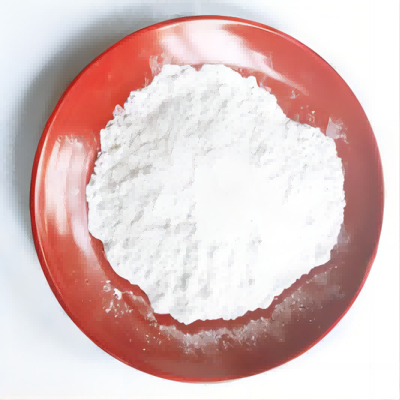
Acesulfame K CAS:33665-90-6 Manufacturer Supplier
Acesulfame pottasium (also known as acesulfame K or Ace K) is a calorie free sugar substitute (artificial sweetener).FDA approved it as a general purpose sweetener and flavor enhancer in food, except in meat and poultry, under certain conditions of use. It stays sweet even when used at high temperatures during baking, making it suitable as a sugar substitute in baked goods. Acesulfame potassium has been approved for use in a variety of food products including frozen desserts, candies, beverages, baby food, and baked goods. More than 90 studies support its safety.
-
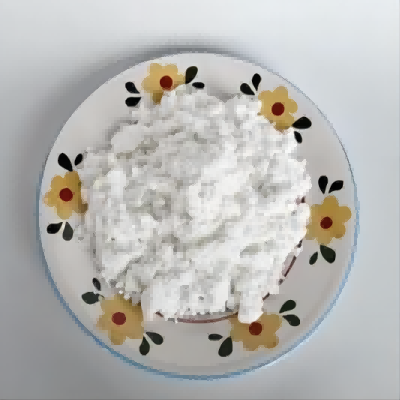
Raffinose/D(+)-Raffinose pentahydrate CAS:17629-30-0 Manufacturer Supplier
D-(+)-Raffinose is a trisaccharide composed of galactose, glucose, and fructose that occurs naturally in a variety of vegetables and grains. It is hydrolyzed to galactose and sucrose by α-galactosidase.
-

Lysozyme CAS:12650-88-3 Manufacturer Supplier
Lysozyme belongs to a group of enzymes that are known as glycoside hydrolases. It is found in animal tissues, organs, serum as well as in tears, nasal secretions, cervical mucus, and the white of avian eggs. Lysozyme breaks the carbonhydrate chains of the bacterial skin, destroying the structural integrity of the cell wall. Thereby, it has antibacterial properties and was one of the first antibiotics studied by Sir Fleming, the discover of penicillin.Lysozyme is used either alone or in combination with other synergic compounds as an excellent preservative against many food spoiling microorganisms for fruits & vegetables, tofu & bean curd, seafood & meats, wines & sakes. Organic wines use it to reduce sulfites. It is used in non-pasteurized beer. It has been added to baby formula (to aid digestibility) and gastrointestinal treatments for the elderly.
-
Potassium Pyruvate CAS:4151-33-1 Manufacturer Supplier
Potassium pyruvate is used to determine the substrate of lactate and dehydrogenase; It is also a good fitness and weight loss dietary supplement; Widely used in cosmetics. As a raw material for medicine and a food additive.

