-
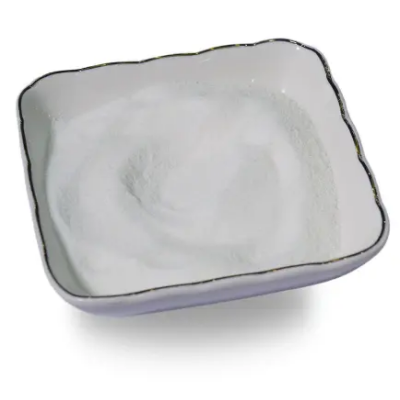
Allantoin CAS:97-59-6
Allantoin is a compound that occurs naturally in plants and is also synthetically produced for various applications. It is recognized for its soothing, moisturizing, and skin-regenerating properties, making it a valuable ingredient in skincare and personal care products.
-
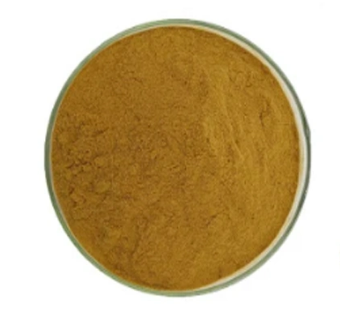
Alchemilla Vulgaris Extract CAS:84695-94-3
Alchemilla Vulgaris Extract is derived from the Alchemilla vulgaris plant, also known as lady’s mantle. This extract is known for its potential skincare benefits, including antioxidant and anti-inflammatory properties. It is often used in cosmetic formulations for its skin-soothing and protective effects.
-
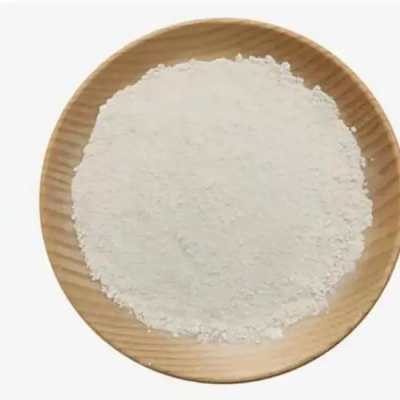
Hexadecylamine CAS:143-27-1
Hexadecylamine, also known as cetylamine, is a long-chain primary amine with sixteen carbon atoms. This organic compound is characterized by its amphiphilic nature and surfactant properties, making it valuable in various industrial applications. Hexadecylamine serves as a key ingredient in the production of surfactants, corrosion inhibitors, and chemical derivatives utilized across different sectors.
-
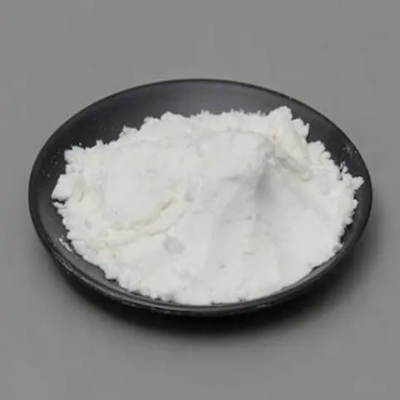
4-hydroxyacetophenone CAS:99-93-4
4-hydroxyacetophenone is a chemical compound with the molecular formula C8H8O2. It is commonly used as an intermediate in the synthesis of pharmaceuticals, fragrances, and other organic compounds.
-
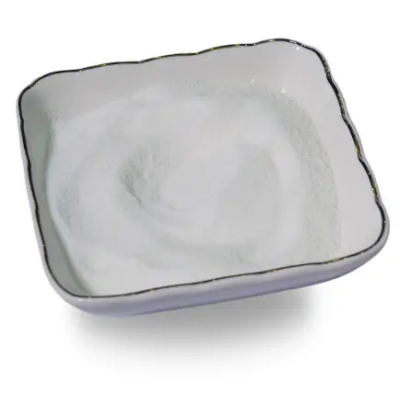
Dodecylamine CAS:124-22-1
Dodecylamine, also known as laurylamine, is a straight-chain alkylamine with twelve carbon atoms. This organic compound is a versatile chemical that finds applications across various industries due to its amphiphilic nature and surfactant properties. Dodecylamine is commonly used in the production of pharmaceuticals, agrochemicals, and personal care products, as well as in industrial processes such as corrosion inhibition and flotation.
-
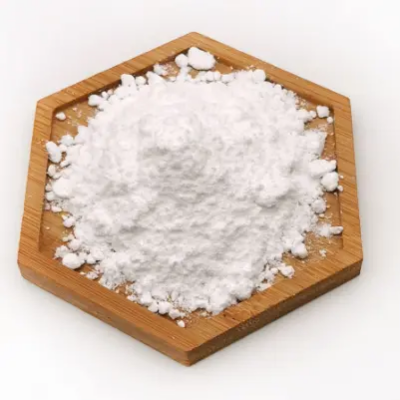
Palmitamidopropyltrimonium chloride CAS:51277-96-4
Palmitamidopropyltrimonium chloride is a compound utilized in personal care and cosmetic products. It serves as a cationic surfactant and conditioning agent, known for its ability to provide excellent conditioning properties and anti-static effects in various formulations.
-
N-methyl-N-octyldecylamine CAS:22020-14-0
N-methyl-N-octyldecylamine, also known as octadecylamine or simply ODA, is a versatile organic compound commonly used as a surfactant and corrosion inhibitor in various industrial applications. This long-chain amine features a hydrophobic tail and an amino group, making it suitable for use in formulations such as paint additives, lubricants, and metalworking fluids. With its unique chemical structure, N-methyl-N-octyldecylamine exhibits excellent wetting properties and can effectively stabilize emulsions while providing corrosion protection.
-
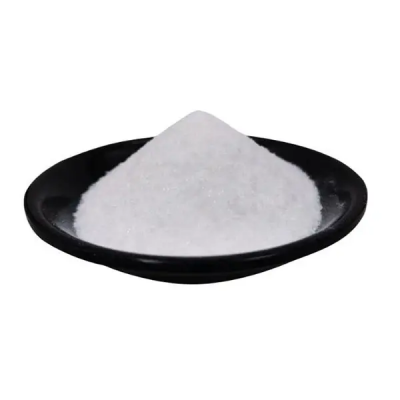
Oleylamine;oleylamine CAS:112-90-3;1838-19-3
Oleylamine, also known as oleylamine, is an unsaturated long-chain primary amine with a carbon chain length of 18 atoms. This organic compound is valued for its amphiphilic nature and surfactant properties, making it versatile in various industrial applications, including pharmaceuticals, agrochemicals, and material science.
-
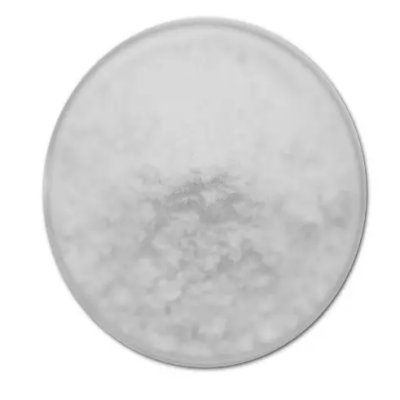
2-Bromo-9,9-diphenylfluorene CAS:474918-32-6
2-Bromo-9,9-diphenylfluorene is a significant organic compound with the molecular formula C25H17Br. This crystalline solid, characterized by its brominated diphenylfluorene core, serves as a key intermediate in the synthesis of functional materials for organic electronics and optoelectronic devices. Its structural characteristics make it an essential component in the production of advanced polymers, light-emitting diodes (LEDs), and organic photovoltaic cells. 2-Bromo-9,9-diphenylfluorene’s role lies in its ability to confer unique optical and electronic properties to a wide range of applications, positioning it as a pivotal element in material science and chemical synthesis.
-
![5-BROMO-2,3-DIHYDROTHIENO[3,4-B][1,4]DIOXINE CAS:302554-82-1](https://cdn.globalso.com/xindaobiotech/CMGYQWFMYMAW61CV3X4.png)
5-BROMO-2,3-DIHYDROTHIENO[3,4-B][1,4]DIOXINE CAS:302554-82-1
5-Bromo-2,3-dihydrothieno[3,4-b][1,4]dioxine is a significant heterocyclic compound with the molecular formula C6H5BrO2S. This crystalline solid, characterized by its brominated thieno-dioxine core, serves as a crucial building block in the synthesis of pharmaceutical intermediates, agrochemicals, and functional materials. Its unique structural properties make it an essential component in the development of diverse organic compounds with potential applications in the fields of medicinal chemistry, agriculture, and material science. 5-Bromo-2,3-dihydrothieno[3,4-b][1,4]dioxine’s significance lies in its ability to bestow distinctive biological and chemical properties to various end products, positioning it as a pivotal component in the realm of organic synthesis.
-
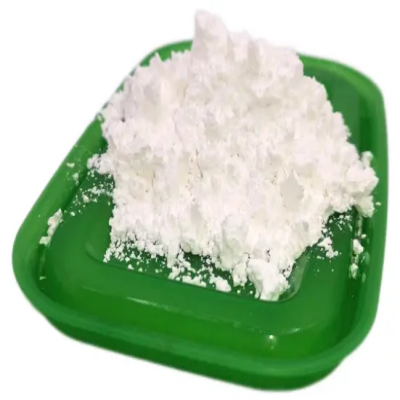
2,2,4,6,6-PENTAMETHYL-3-HEPTENE CAS:123-48-8
2,2,4,6,6-Pentamethyl-3-heptene, also known as diisobutylene, is a branched-chain hydrocarbon with the molecular formula C11H22. This colorless liquid exhibits excellent chemical stability and is widely utilized as a versatile intermediate in the synthesis of various specialty chemicals, including lubricant additives, plasticizers, and fuel additives. Its unique molecular structure imparts desirable properties to end products, making it an essential component in numerous industrial applications. 2,2,4,6,6-Pentamethyl-3-heptene’s multifaceted utility positions it as a key building block in the production of diverse compounds across different sectors.
-
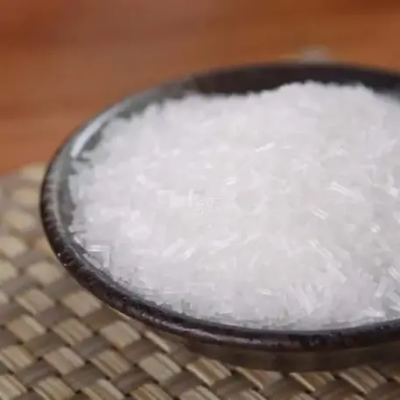
MAGNESIUM ACETYLACETONATE CAS:14024-56-7
Magnesium acetylacetonate is a notable coordination compound with the formula Mg(C5H7O2)2. This crystalline solid, characterized by its acetylacetonate ligands, serves as an essential precursor in the synthesis of catalysts, metal-organic frameworks, and magnetic materials. Its unique properties make it a key component in the development of diverse compounds with applications in catalysis, materials science, and magnetic resonance imaging (MRI) contrast agents. Magnesium acetylacetonate’s significance lies in its ability to impart distinctive coordination and magnetic properties to various end products, positioning it as a pivotal element in chemical synthesis and material design.