-

4-Bromotriphenylamine CAS:36809-26-4
4-Bromotriphenylamine is a notable organic compound with the molecular formula C18H14BrN. This crystalline solid, characterized by its brominated triphenylamine core, serves as a key building block in the synthesis of various functional materials and organic electronics. Its structural versatility and reactivity make it an essential intermediate in the production of advanced polymers, dyes, and electronic components. 4-Bromotriphenylamine’s significance lies in its ability to impart unique optical and electronic properties to a wide range of applications, positioning it as a pivotal component in the realm of material science and chemical synthesis.
-
N,N’-1,2-ethanediylbis-1-Aspartic acid CAS:20846-91-7
N,N’-1,2-ethanediylbis-1-aspartic acid is a significant compound with the molecular formula C8H12N2O8. This organic compound, characterized by its ethanediylbis-aspartic acid core, serves as a crucial building block in the synthesis of biodegradable polymers, chelating agents, and pharmaceutical intermediates. Its structural versatility and chelating properties make it an essential component in the development of diverse compounds with potential applications in the fields of polymer chemistry, metal ion sequestration, and medicinal chemistry. N,N’-1,2-ethanediylbis-1-aspartic acid’s significance lies in its ability to confer distinctive chemical and biological properties to various end products, positioning it as a pivotal component in organic synthesis.
-
DIPALMITAMINE CAS:16724-61-1
DIPALMITAMINE is a vital organic compound with the molecular formula C33H69N. This amine, characterized by its long hydrophobic alkyl chains and polar amine group, serves as a crucial intermediate in the production of cationic surfactants, emulsifiers, and corrosion inhibitors. With its unique chemical properties, DIPALMITAMINE plays a pivotal role in the formulation of diverse products with potential applications in personal care, industrial cleaning, and metal protection. Its ability to provide surface-active and complexing characteristics underscores its significance in chemical synthesis and various industrial applications.
-
N,N-dimethyldocosylamine CAS:21542-96-1
N,N-Dimethyldocosylamine is a significant organic compound with the molecular formula C24H51N. This alkylamine, characterized by its long hydrophobic tail and polar amine group, serves as a crucial intermediate in the production of cationic surfactants, corrosion inhibitors, and chemical intermediates. Its unique chemical properties make it an essential component in the creation of diverse compounds with potential applications in the fields of surface chemistry, metal protection, and organic synthesis. N,N-Dimethyldocosylamine’s significance lies in its ability to provide surface-active and complexing characteristics to various end products, positioning it as a pivotal element in chemical synthesis and industrial applications.
-
Saccharomyces Boulardii
Saccharomyces boulardii is a tropical yeast species originally isolated from lychee and mangosteen fruit. It is well-regarded for its probiotic properties and beneficial effects on gastrointestinal health.
-

Streptococcus Thermophillus
Streptococcus thermophilus is a prominent species of lactic acid bacteria commonly used in the production of yogurt and cheese. It is known for its ability to thrive in high-temperature environments, making it an essential component in the fermentation process of various dairy products..
-
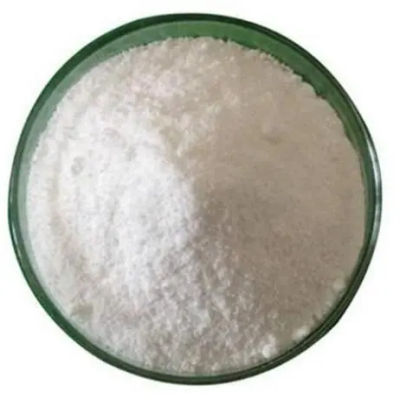
Palmitoyl Pentapeptide CAS:214047-00-4
Palmitoyl Pentapeptide, also known as Matrixyl, is a synthetic peptide often used in skincare products for its potential anti-aging properties. It is believed to help stimulate collagen production, improve skin elasticity, and reduce the appearance of wrinkles.
-
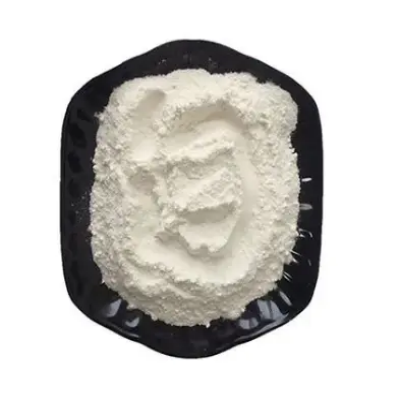
Palmi-toyl Tetrapeptide3 CAS:1228558-05-1
Palmi-toyl Tetrapeptide3 is applied in skincare products for its potential anti-aging benefits.
-
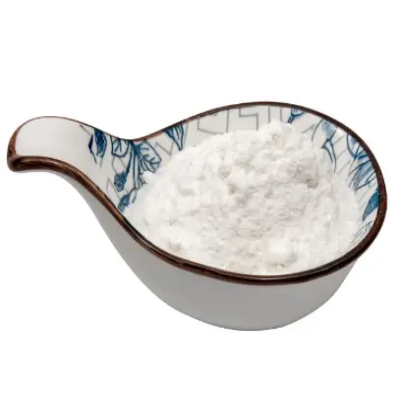
Palmitoyl Oligopeptide-1 CAS:147732-56-7
Palmitoyl Oligopeptide-1, also known as palmitoyl pentapeptide-4, is a synthetic peptide compound used in skincare products for its potential anti-aging properties.
-
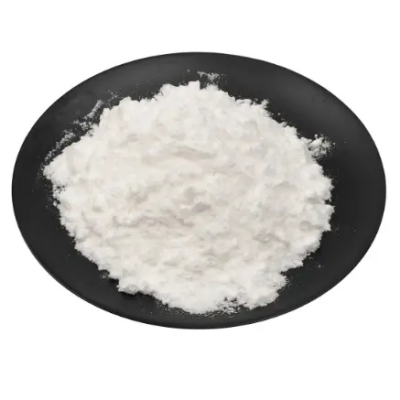
Olive Leaf Extract CAS:32619-42-4
Olive Leaf Extract is a natural supplement derived from the leaves of the olive tree.
-
Madecassoside CAS:34540-22-2
Madecassoside is a natural compound derived from the plant Centella asiatica, also known as gotu kola. It is known for its potential skin-soothing and wound-healing properties.
-
L-Cystine CAS:56-89-3
L-Cystine is a naturally occurring amino acid formed by the oxidation of two molecules of L-cysteine.