-
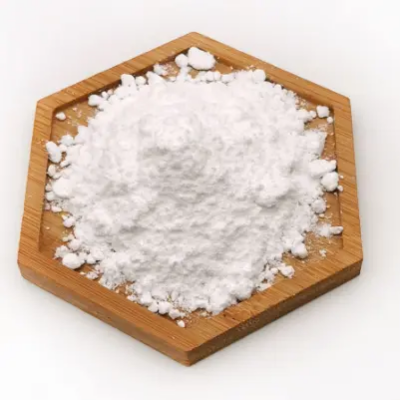
Bromelina 2500 GDU/g CAS:37189-34-7
Bromelain 2500 GDU/g is a proteolytic enzyme derived from pineapple. It is commonly used as a dietary supplement to support digestion and reduce inflammation
-
Ammonium Bicarbonate CAS:1066-33-7
Ammonium Bicarbonate is a white, crystalline powder with the chemical formula NH4HCO3. It is commonly used as a leavening agent in baking, as well as in the production of various food products. Additionally, it serves as a key ingredient in fire extinguishing compounds and pharmaceuticals. Due to its ability to release ammonia and carbon dioxide when heated, it is widely utilized in the food industry for its leavening properties
-
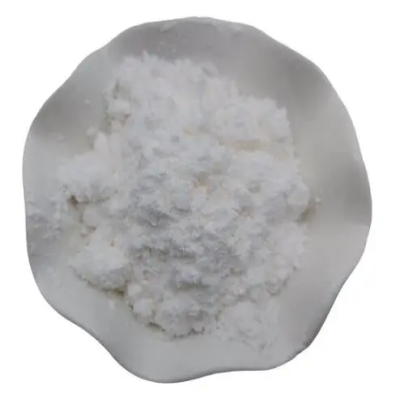
Rhodium dicarbonyl-2,4-pentanedionate CAS:14874-82-9
Rhodium dicarbonyl-2,4-pentanedionate is a coordination complex containing rhodium with dicarbonyl and 2,4-pentanedionate ligands. It is utilized as a catalyst in organic synthesis reactions, particularly in homogeneous catalysis, promoting various chemical transformations such as hydrogenation, hydrosilylation, and hydroformylation reactions. Additionally, it is employed in the production of fine Rhodium dicarbonyl-2,4-pentanedionate, pharmaceuticals, and advanced materials.
-
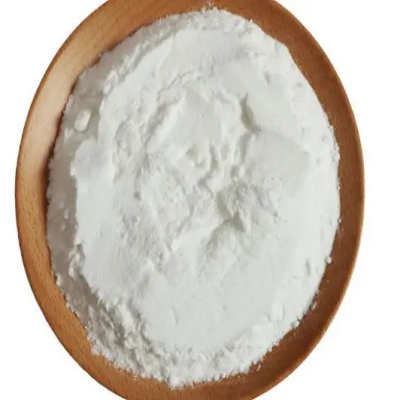
Rhodium(III) 2-ethylhexanoate CAS:20845-92-5
hodium(III) 2-ethylhexanoate is a coordination complex of rhodium with 2-ethylhexanoate ligands. This compound is commonly used as a catalyst in various organic synthesis reactions due to its unique properties and reactivity.
-
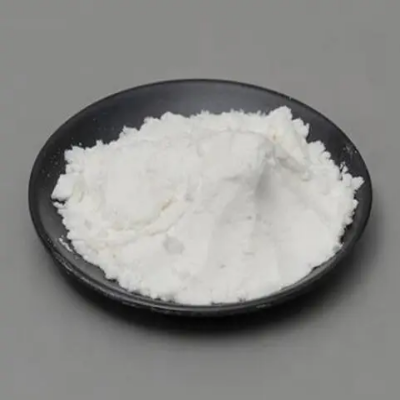
Rhodium(III) chloride hydrate CAS:20765-98-4
Rhodium(III) chloride hydrate, otherwise referred to as rhodium trichloride trihydrate, carries the chemical formula RhCl3·3H2O. This substance contains three molecules of water bound tightly by hydrogen bonding.
-
Tris(2-phenylpyridine)iridium CAS:94928-86-6
Tris(2-phenylpyridine)iridium, commonly abbreviated as Ir(ppy)3, has various other designations including Iridium, tris(2-phenylpyridine); fac-tris(2-phenylpyridine) iridium; or simply TIPP (Triplet Energy Transfer). This complex salt contains one central ionized metallic element with +3 charge surrounded by six ligands in its octahedral coordination environment. The ligand consists of two nitrogen atoms from each pyrido ring along with four carbon atoms forming benzene rings attached to those pyrido units. These special structural arrangements result in unique properties that allow this product to be utilized across diverse fields.
-
Rhodium(III) iodide CAS:15492-38-3
Rhodium(III) iodide is a chemical compound with the formula RhI3. It is a dark red solid that is sparingly soluble in water and commonly used in the field of catalysis and materials science. Rhodium(III) iodide is known for its catalytic properties and is often utilized in various organic synthesis reactions, including C-C and C-N bond formation, as well as hydrogenation and hydrosilylation reactions.
-
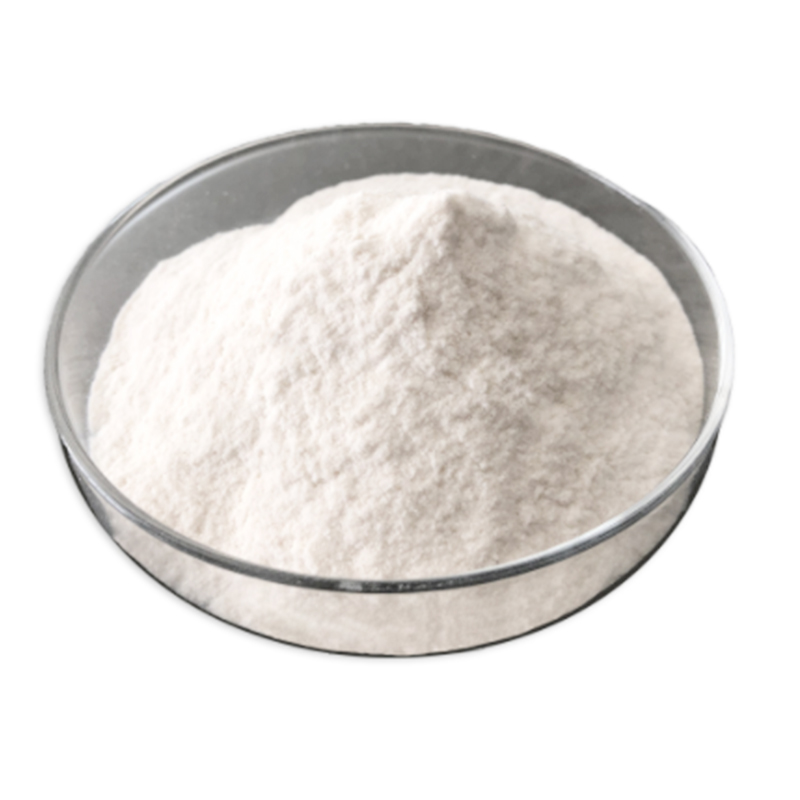
Hemicellulase 40000 HCU/g CAS:9025-56-3
Hemicellulase 40000 HCU/g is an enzyme preparation with a high activity of 40000 Hemocellulase Units per gram. It is commonly used in various industries for its ability to break down hemicellulose, a complex carbohydrate found in plant cell walls. This enzyme is widely used in the food, feed, and biofuel industries for its role in improving digestibility and enhancing the extraction of valuable compounds from plant materials
-

Maltol CAS:118-71-8 Manufacturer Supplier
Maltol is a naturally occurring organic compound that is commonly used as a flavor enhancer in food and beverage products. It is a white crystalline powder with a sweet aroma and is often described as having a caramel-like flavor. Maltol is used to add sweetness and enhance the overall flavor profile of a wide range of products, including baked goods, confectionery, beverages, and dairy products. It is also used as a fragrance ingredient in perfumes and cosmetics. Maltol is generally recognized as safe (GRAS) by the U.S. Food and Drug Administration and is approved for use in food and beverage products in many countries around the world
-
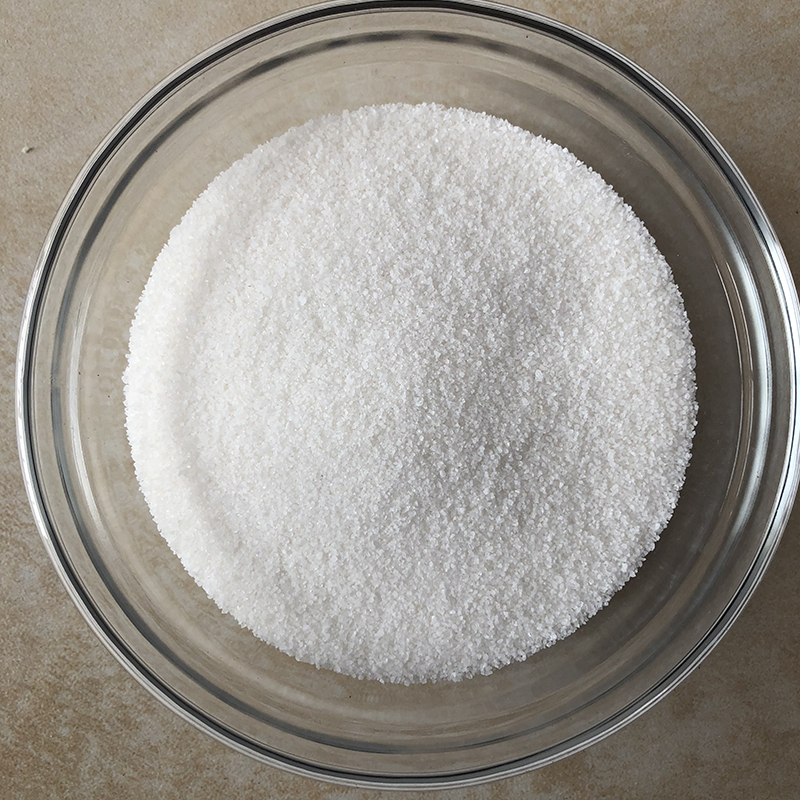
Mineral Oil CAS:8042-47-5
Mineral oil is a clear, odorless, and colorless liquid derived from petroleum. It is commonly used in cosmetics, pharmaceuticals, and as a lubricant. Due to its non-comedogenic properties, mineral oil is often found in skincare products to moisturize and protect the skin without clogging pores. It is also used as a laxative and in the manufacturing of certain food products
-
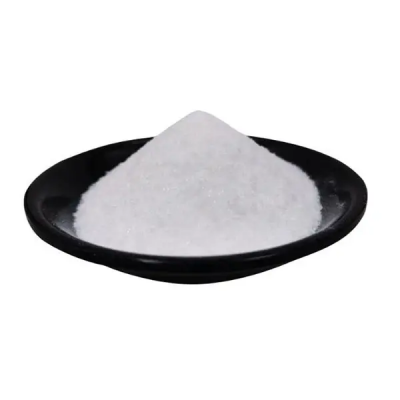
Monoammonium Glutamate CAS:7558-63-6
Monoammonium glutamate, also known as MAG, is a white crystalline powder that is commonly used as a flavor enhancer in various food products. It is a type of amino acid that is derived from glutamic acid and is often used to enhance the savory or umami taste in foods. MAG is commonly used in processed foods, snacks, and savory sauces to improve the overall flavor profile of the product. It is also used as a key ingredient in certain food seasonings and condiments. Additionally, MAG is known for its ability to improve the overall taste and palatability of food products, making it a popular choice among food manufacturers
-
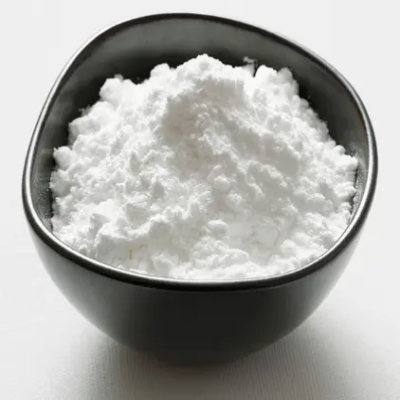
Monopotassium Glutamate CAS:24595-14-0
Monopotassium glutamate, also known as potassium glutamate, is the potassium salt of glutamic acid. It is commonly used as a flavor enhancer in food and is often found in processed and packaged foods. Monopotassium glutamate is a type of monosodium glutamate (MSG), which is known for its ability to enhance the savory or umami taste in foods. It is often used to improve the overall flavor of a dish and is considered safe for consumption by regulatory authorities