-

Wheat Gluten CAS:8002-80-0 Manufacturer Supplier
Gluten forms the chief storage protein fraction in a mature wheat grain. Gluten proteins can be divided into three main groups: high molecular weight glutenin subunits (HMW-GS), low molecular weight glutenin subunits (LMW-GS), and gliadins. Gluten has a great impact on the quality of a whole range of cereal-based foods.
-
Xanthan Gum CAS:11138-66-2 Manufacturer Supplier
Xanthan Gum is a long chain polysaccharide, which is made by mixing fermented sugars (glucose, mannose, and glucuronic acid) with a certain kind of bacteria. It is mainly used to thicken and stabilize emulsions, foams, and suspensions.Xanthan gum is widely used as a food additive to control the rheological properties of a wide range of food products. In manufacturing, xanthan gum is used as a thickening and stabilizing agent in toothpastes and medicines. It is used to make medicine for lowering blood sugar and total cholesterol in people with diabetes. It is used as a laxative. Xanthan gum is sometimes used as a saliva substitute in people with dry mouth (Sjogren’s syndrome).
-
Inosinic Acid CAS:131-99-7 Manufacturer Supplier
IMP is a purine ribonucleoside 5′-monophosphate having hypoxanthine as the nucleobase. It has a role as a human metabolite, an Escherichia coli metabolite and a mouse metabolite. It is a purine ribonucleoside 5′-monophosphate and an inosine phosphate. It is a conjugate acid of an IMP(2-).
-
Sodium Alginate CAS:9005-38-3 Manufacturer Supplier
Sodium alginate is the sodium form of alginate. Alginate is a linear, anionic polysaccharide consisting of two form of 1, 4-linked hexuronic acid residues, β-d-mannuronopyranosyl (M) and α-l- guluronopyranosyl (G) residues. It can be arranged in the form of blocks of repeating M residues (MM blocks), blocks of repeating G residues (GG blocks), and blocks of mixed M and G residues (MG blocks). Commercially available alginate currently originates from algae. Alginate has wide applications. For example, one of its most important role is being used as wound dressing materials for the treatment of acute or chronic wounds. The use of alginate crosslinking to make hydrogels for cell encapsulation is also quite valuable. The emergence of various kinds of its derivatives recently has further extended its application.
-
Isolated Soy Protein (ISP) CAS:9010-10-0 Manufacturer Supplier
Soy protein isolate is a dietary additive that includes a certain amount of carbohydrates, associated sugars and fibre. It is processed in exactly the same way, but everything is removed, except the protein. All carbohydrates and fibre are extracted from eth already defatted beans. This leaves an all-protein end result that is more ‘pure’ than its counterpart.
-
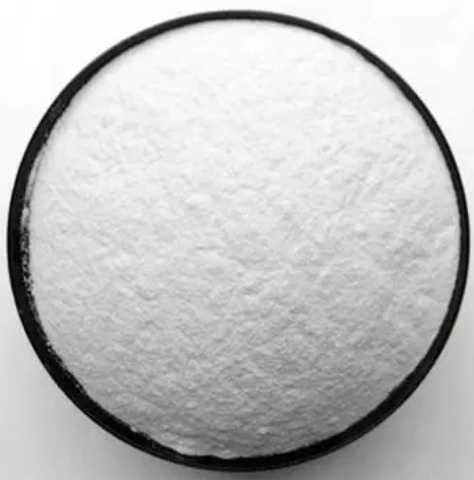
Cytidine CAS:65-46-3 Manufacturer Price
Cytidine is a nucleoside molecule composed of cytosine and ribose. It is one of the building blocks of RNA and plays a fundamental role in the genetic code and gene expression. Additionally, it can be converted into cytidine triphosphate, a molecule that is essential for nucleic acid synthesis and energy transfer in cells. Cytidine also has potential therapeutic applications in cancer treatment and antiviral therapies.
-
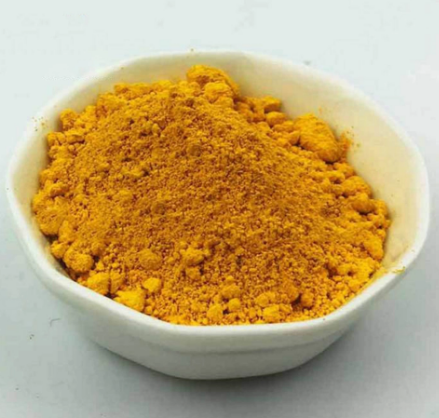
Gold (III) potassium chloride dihydrate CAS:13682-61-6
Gold (III) potassium chloride dihydrate is a chemical compound with the formula AuKCl4·2H2O. It is a coordination complex consisting of gold (III) ions, potassium ions, chloride ions, and water molecules. This compound is often used in chemical synthesis and research applications.
-

Palladium CAS:7440-05-3 Manufacturer Price
Palladium is a rare, lustrous silver-white metal that belongs to the platinum group of elements. It is known for its remarkable catalytic properties, which make it a vital component in a wide range of industrial and technological applications. Palladium is used in catalytic converters to reduce harmful emissions from vehicle exhaust, as well as in the production of electronics, dentistry, jewelry, and chemical catalysts.
-

dCTP, 2′-Deoxycytidine-5′-triphosphoric acid disodium salt CAS:102783-51-7
2′-Deoxycytidine-5′-triphosphoric acid disodium salt is a nucleotide analog that serves as a precursor in DNA synthesis. It is used in molecular biology research and in studies related to genetics and genetic processes. This compound plays a crucial role in DNA replication and transcription, making it an important tool for understanding genetic mechanisms and developing potential therapeutic interventions.
-
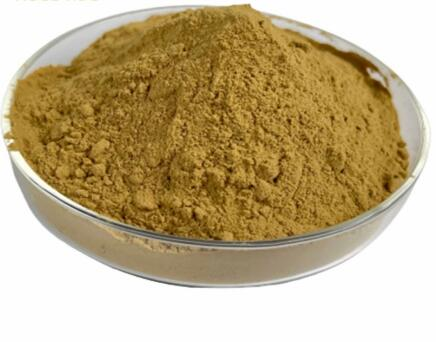
Gold(III) oxide CAS:1303-58-8 Manufacturer Price
Digold trioxide, also known as gold(I,III) oxide, is a rare compound with the chemical formula Au2O3. It is not a well-characterized substance, and there is limited information available about its properties and applications. This compound is noteworthy due to the unusual 1:1 ratio of gold ions in different oxidation states (Au(I) and Au(III)).
-
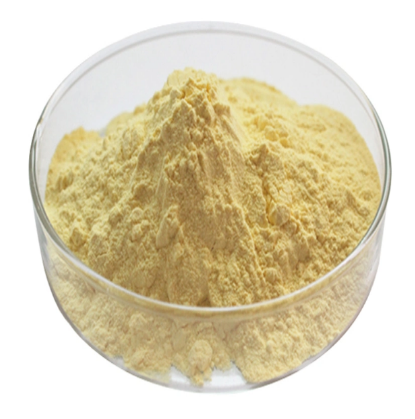
Silver carbonate CAS:534-16-7 Manufacturer Price
Silver carbonate is a chemical compound with the formula Ag2CO3. It is a white solid that is sparingly soluble in water. Silver carbonate has applications in organic synthesis as an oxidizing agent for various reactions. Additionally, it is used in some analytical chemistry procedures. Due to its low solubility, it can also be utilized as a pigment in pottery and ceramics.
-
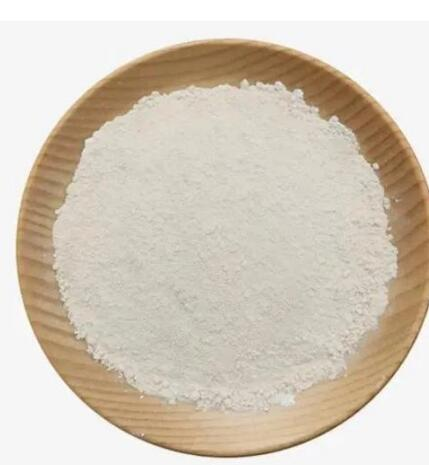
Deoxyribonucleic acids,fish sperm CAS:100403-24-5
Deoxyribonucleic acid (DNA) is a molecule that carries genetic instructions for the development, functioning, growth, and reproduction of all known living organisms. It is composed of two strands that coil around each other to form a double helix structure. DNA is found in the nucleus of cells and is a key component in the inheritance of traits from one generation to the next.Fish sperm, or milt, is the seminal fluid of male fish, which contains sperm cells. It plays a crucial role in the fertilization of fish eggs. Fish sperm is of interest in scientific research due to its unique characteristics and potential applications in various fields, including aquaculture and biotechnology.