-

Doxifluridine CAS:3094-09-5 Manufacturer Price
Doxifluridine, also known as 5-Fluoro-2′-deoxyuridine, is a nucleoside analog with potential antineoplastic activity. It is converted to its active form, 5-fluorouracil (5-FU), in tumor cells, where it inhibits DNA synthesis and induces cell death. Doxifluridine may be used in the treatment of various cancers, including colorectal cancer, when other treatments are not effective.
-
Guanosine CAS:118-00-3 Manufacturer Price
Guanosine is a nucleoside consisting of the nitrogenous base guanine linked to a ribose sugar. It is a building block of RNA and plays a role in cellular energy transfer as part of GTP (guanosine triphosphate) and other important cellular processes. Guanosine has also been studied for its potential therapeutic applications in various health conditions.
-
Uridine,2′-deoxy-5-ethynyl- CAS:61135-33-9
5-ethynyl-2′-deoxyuridine (EdU) is a nucleoside analog that is commonly utilized in the field of molecular biology and cell biology research. It is frequently employed to label and detect newly synthesized DNA in live cells through a process known as “click chemistry.” This technique allows for visualization and quantification of DNA replication and cell proliferation. EdU has become a popular alternative to the traditional thymidine analog bromodeoxyuridine (BrdU) due to its compatibility with fluorescence microscopy and the absence of harsh DNA denaturation steps during detection. Additionally, EdU’s chemical structure allows for specific and efficient detection, making it a valuable tool for studying DNA synthesis and cell cycle dynamics.
-
Citicoline sodium CAS:33818-15-4 Manufacturer Price
Citicoline sodium, also known as cytidine diphosphate-choline, is a nutritional supplement and a source of choline, which is an essential nutrient for brain health. It is used to enhance memory, cognitive function, and overall brain health. Citicoline sodium has been studied for its potential benefits in conditions such as stroke, dementia, and traumatic brain injury. It is thought to work by increasing levels of neurotransmitters in the brain and supporting the formation of phospholipids, which are essential components of brain cell membranes.
-

Gold (III) chloride tetrahydrate CAS:16903-35-8
Chloroauric acid, also known as gold(III) chloride, is a chemical compound with the formula HAuCl4. It is the most common compound of gold in the +3 oxidation state. Chloroauric acid is typically encountered as a hydrated form and is a bright yellow-orange solid. It is widely used in the production of gold nanoparticles, as a precursor in the synthesis of other gold compounds, and in various industrial and research applications. Additionally, it has applications in photography, as a reagent in chemical analysis, and in the preparation of gold plating solutions.
-
Guanosine-5′-diphosphate, disodium salt CAS:7415-69-2
Guanosine-5′-diphosphate disodium salt, also known as GDP-Na2, is a nucleoside diphosphate comprised of guanosine linked to two phosphate groups and stabilized by two sodium ions. It plays a crucial role in various cellular processes, including signal transduction, energy metabolism, and protein synthesis. In research and pharmaceutical applications, GDP-Na2 is utilized as a substrate, cofactor, or regulatory molecule, aiding in the study of cellular functions and drug development.
-
Uridine-5′-triphosphoric acid trisodium salt CAS:19817-92-6
Uridine-5′-triphosphoric acid trisodium salt is a nucleotide derivative. It is involved in various biochemical processes such as the synthesis of RNA, serving as a precursor for nucleic acid synthesis and as an energy source for biochemical reactions. Its role in cellular metabolism makes it an important component in the study of nucleic acid biochemistry and molecular biology. Uridine-5′-triphosphoric acid trisodium salt is also used in research and pharmaceutical applications related to nucleotide analogs and nucleic acid-based therapies.
-
Cytidine CAS:65-46-3 Manufacturer Price
Cytidine is a nucleoside molecule composed of cytosine and ribose. It is one of the building blocks of RNA and plays a fundamental role in the genetic code and gene expression. Additionally, it can be converted into cytidine triphosphate, a molecule that is essential for nucleic acid synthesis and energy transfer in cells. Cytidine also has potential therapeutic applications in cancer treatment and antiviral therapies.
-
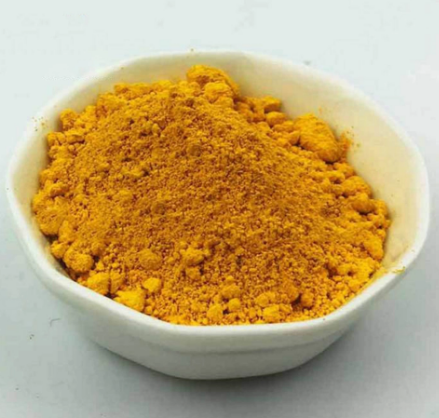
Gold (III) potassium chloride dihydrate CAS:13682-61-6
Gold (III) potassium chloride dihydrate is a chemical compound with the formula AuKCl4·2H2O. It is a coordination complex consisting of gold (III) ions, potassium ions, chloride ions, and water molecules. This compound is often used in chemical synthesis and research applications.
-

Palladium CAS:7440-05-3 Manufacturer Price
Palladium is a rare, lustrous silver-white metal that belongs to the platinum group of elements. It is known for its remarkable catalytic properties, which make it a vital component in a wide range of industrial and technological applications. Palladium is used in catalytic converters to reduce harmful emissions from vehicle exhaust, as well as in the production of electronics, dentistry, jewelry, and chemical catalysts.
-

dCTP, 2′-Deoxycytidine-5′-triphosphoric acid disodium salt CAS:102783-51-7
2′-Deoxycytidine-5′-triphosphoric acid disodium salt is a nucleotide analog that serves as a precursor in DNA synthesis. It is used in molecular biology research and in studies related to genetics and genetic processes. This compound plays a crucial role in DNA replication and transcription, making it an important tool for understanding genetic mechanisms and developing potential therapeutic interventions.
-
Gold(III) oxide CAS:1303-58-8 Manufacturer Price
Digold trioxide, also known as gold(I,III) oxide, is a rare compound with the chemical formula Au2O3. It is not a well-characterized substance, and there is limited information available about its properties and applications. This compound is noteworthy due to the unusual 1:1 ratio of gold ions in different oxidation states (Au(I) and Au(III)).