-
Calcium Stearyl Lactate (CSL) CAS:5793-94-2 Manufacturer Supplier
Calcium Stearyl Lactylate is used as the mineral fortifier in sports beverage, juice, diet foods and baby products because of its neutral taste, stability and high bioavailability.Calcium Stearyl Lactylate is used in jelly, gum, jam and minced fish to adjust pH, stabilize gel and enhance the gel strength.Calcium Stearyl Lactylate is used in tooth paste to prevent mineral loss from the enamel, reduce formation of dental calculus and protect teeth.Calcium Stearyl Lactylate is used in some pharmacies for direct compress tablet.
-

Tea Polyphenols CAS:84650-60-2 Manufacturer Supplier
Tea polyphenols exhibit anti-carcinogenic, anti-oxidative, anti-allergic, antiviral, anti-hypertensive, anti-atherosclerosis, anti-cardiovascular disease and anti-hypercholesterolemic activities. EGCG has shown to inhibit hepatitis C virus entry and carcinogenesis. Studies suggest that tea polyphenols may help treat health conditions including atherosclerosis, high cholesterol, and cancers including bladder cancer, breast cancer, ovarian cancer, colorectal cancer, esophageal cancer, lung cancer, pancreatic cancer, prostate cancer, skin cancer, and stomach cancer. Tea polyphenols could be helpful in treating inflammatory diseases.
-
Lutein(Progesterone) CAS:57-83-0 Manufacturer Supplier
Progesterone is a hormone released by luteal cells in the ovaries which contains 21 Carbon Atoms. Progesterone is also a crucial metabolic intermediate in the production of other endogenous steroids. There are two crystal forms of progesterone, that are type-α and type-β, the two types have similar physiological activity. Type-α is precipitated from dilute ethanol as orthorhombic white prismatic crystal, while type-β is orthorhombic white needle crystal, they are both insoluble in water, but soluble in ethanol, ethyl ether, chloroform, acetone, dioxane and concentrated sulfuric acid.
-
Gluconic Acid CAS:526-95-4 Manufacturer Supplier
Gluconic acid (also known as gluconate) is an organic compound occurring widely in nature arising from the glucose oxidation. It is naturally found in fruit, honey and wine. It can also be used as a food additive to regulate acidity and a cleaning agent in alkaline solution. Its calcium salt, calcium gluconate can be used to treat burns from hydrofluoric acid and avoid necrosis of deep tissues as well as treating the verapamil poisoning and hypocalcemia in hospitalized patient. Some salts of gluconate can also be used to treat malaria (quinidine gluconate) and anemia (ferrous gluconate). In microbiology, gluconate is a common carbon source that can be supplemented to the medium for cell growth.
-
Tertiary Butylhydroquinone (TBHQ) CAS:1948-33-0 Manufacturer Supplier
Tert-Butylhydroquinone (TBHQ) is an antioxidant used to preserve oils, fats and food items. It is found in vegetable oils and animal fats, varnishes, lacquers, resins, oils field additives, and perfumes.In low concentrations it shows cytoprotective qualities while at higher concentrations it exhibits cytotoxic behavior.TBHQ was used to study the inactivation of barotolerant strains of Listeria monocytogenes and Escherichia coli.Environment friendly electrode materials for supercapacitors were attained by decorating the surface of graphene nanosheets with TBHQ.
-

Guanylic Acid CAS:85-32-5 Manufacturer Supplier
Guanylic acid is often used to enhance the umami flavor of food. In the food industry, it is mainly used as a food additive in the form of sodium salt. It is used as a raw material for seasoning, soy sauce and monosodium glutamate. It is usually used together with glutamate to enhance the flavor of food.
-
Gallic Acid CAS:149-91-7 Manufacturer Supplier
Gallic acid is a trihydroxybenzoic acid in which the hydroxy groups are at positions 3, 4, and 5. It has a role as an astringent, a cyclooxygenase 2 inhibitor, a plant metabolite, an antioxidant, an antineoplastic agent, a human xenobiotic metabolite, an EC 1.13.11.33 (arachidonate 15-lipoxygenase) inhibitor, an apoptosis inducer and a geroprotector. It is a conjugate acid of a gallate.
-
Butylated Hydroxytoluene (BHT) CAS:128-37-0 Manufacturer Supplier
Butylated hydroxytoluene is a synthetic phenolic compound mainly used as an antioxidant and preservative in the food industry. It is used to prevent the lipid oxidation in oils and fat-containing foods.Butylated Hydroxytoluene toxicity is generally considered as being low.Since Butylated Hydroxytoluene is used in many near consumer products population wide exposure is expected.
-
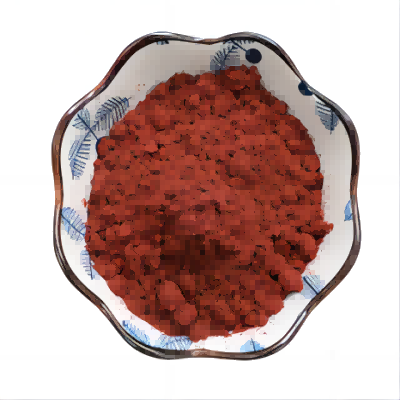
Canthaxanthin CAS:514-78-3 Manufacturer Supplier
Canthaxanthin (red diketocarotenoid or 4, 4′-diketo-β-carotene), is a common xanthophyll found naturally in microorganisms and marine organisms, as well as in certain animals. It acts as an antioxidant in living organisms. The potential antioxidant activity of canthaxanthin is due to the presence of conjugated double bonds in its structure. It finds applications in various fields including poultry, fishery, cosmetics, medicine, and pharmaceuticals. In food industries, canthaxanthin can be used as a coloring agent.
-
Vitamin C (Ascorbic acid) CAS:50-81-7 Manufacturer Supplier
Ascorbic acid, a water-soluble dietary supplement, is consumed by humans more than any other supplement. The name ascorbic means antiscurvy and denotes the ability of ascorbic to combat this disease. Vitamin C is the l-enantiomer of ascorbic acid. Ascorbic acid deficiency in humans results in the body’s inability to synthesize collagen, which is the most abundant protein in vertebrates.
-
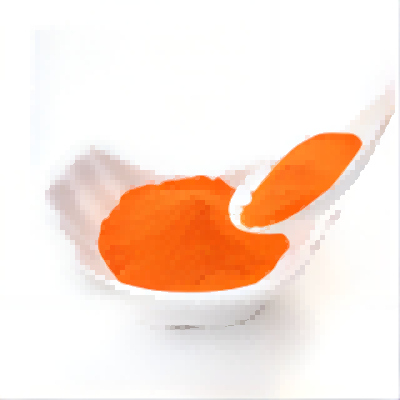
Gardenia Yellow CAS:94238-00-3 Manufacturer Supplier
Crocin-1 is a diester that is crocetin in which both of the carboxy groups have been converted to their gentiobiosyl esters. It is one of the water-soluble yellow-red pigments of saffron and is used as a spice for flavouring and colouring food. Note that in India, the term ‘Crocin’ is also used by GlaxoSmithKline as a brand-name for paracetamol. It has a role as an antioxidant, a food colouring, a plant metabolite and a histological dye. It is a diester, a disaccharide derivative and a diterpenoid. It is functionally related to a beta-D-gentiobiosyl crocetin and a gentiobiose.
-
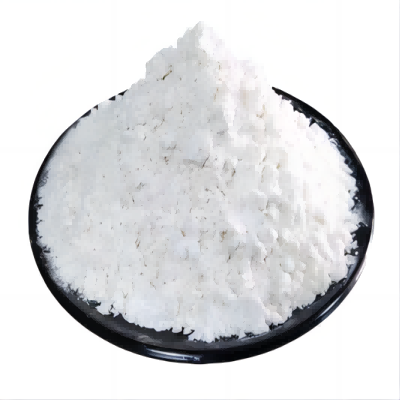
Propyl Gallate CAS:121-79-9 Manufacturer Supplier
Propyl gallate (also known as propyl 3, 4, 5-trihydroxybenoate) is a kind of ester formed through the condensation of gallic acid and propanol. It appears as a fine white to creamy-white crystalline powder. It has long been used as a kind of antioxidants to be supplied to foods especially animal fats and vegetable oil, being especially effective with polyunsaturated fats. Propyl gallate, as an anti-oxidant, can protect the food and oils from the attack of hydrogen peroxide and oxygen free radicals, having an effect similar to the superoxide dismutase. It can also be applied to ethers, emulsion, waxes, and transformer oil as the antioxidants.