-
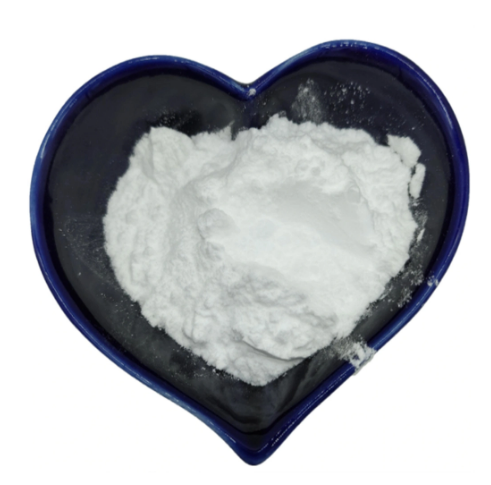
Guanine hydrochloride CAS:635-39-2
Guanine hydrochloride is a chemical compound composed of guanine, one of the four nucleobases found in DNA and RNA, and hydrochloric acid. It is commonly used in biochemical and molecular biology research as a source of guanine for studies on nucleic acids and as a supplement in cell culture media. Its role in the laboratory setting includes serving as a substrate for enzymatic reactions and as a component in various experimental protocols.
-
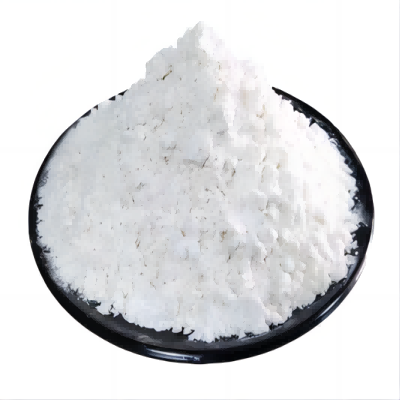
Propyl Gallate CAS:121-79-9 Manufacturer Supplier
Propyl gallate (also known as propyl 3, 4, 5-trihydroxybenoate) is a kind of ester formed through the condensation of gallic acid and propanol. It appears as a fine white to creamy-white crystalline powder. It has long been used as a kind of antioxidants to be supplied to foods especially animal fats and vegetable oil, being especially effective with polyunsaturated fats. Propyl gallate, as an anti-oxidant, can protect the food and oils from the attack of hydrogen peroxide and oxygen free radicals, having an effect similar to the superoxide dismutase. It can also be applied to ethers, emulsion, waxes, and transformer oil as the antioxidants.
-
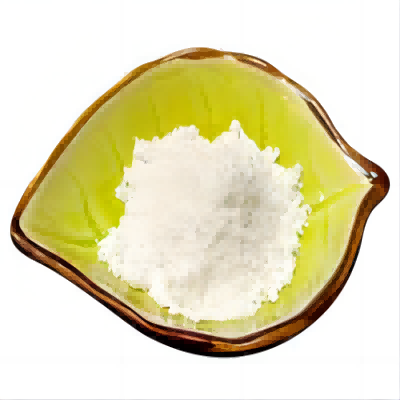
Glucono-Delta Lactone (GDL) CAS:90-80-2 Manufacturer Supplier
Delta-Gluconolactone (GDL) is a lactone of the D-gluconate. It is a natural constituent of many foods. It can be found in honey, fruit juices, wine and many-fermented products1-3. It is used as a food additive with the E number E575 used as a sequestrant, an acidifier (it lower the pH and also help preserve the food from deterioration by enzymes and organisms), or a curing, pickling, or leavening agent. GDL has been marketed for use in feta cheese. GDL is neutral, but hydrolyses in water to gluconic acid that is acidic, adding a tangy taste to foods, though it has roughly a third of the sourness of citric acid. It can be used as nutritional supplement in beverage such as in Instant Drinks, Syrups, RTD Tea and Coffee, Sports and Energy Drinks, Waters.
-
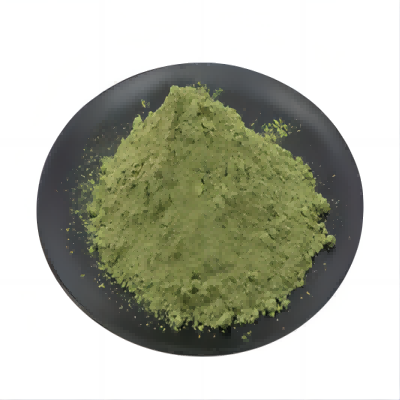
Chlorophylls CAS:1406-65-1 Manufacturer Supplier
Chlorophyll is a colorant that is a green pigment present in all green plants. it is used in sausage casings, oleomargarine, and shortening.Chlorophyll molecules are theprincipal sites of light absorption inthe light-dependent reactions ofphotosynthesis. They are magnesium-containing porphyrins, chemicallyrelated to cytochrome andhaemoglobin.Chlorophyll is a natural food pigment extracted from clover, nettle and dried silkworm sand. The main components are chlorophyll a, chlorophyll b, sodium copper chlorophyllin. The product is a dark green viscous substance, easily soluble in water and various organic solvents, in neutral or alkaline conditions, the color is stable green.
-
Carboxy methyl Cellulose (CMC) CAS:9004-32-4 Manufacturer Supplier
Sodium carboxymethyl cellulose is a water-soluble polymer. As a solution in water, it has thixotropic properties. It is useful in helping to hold the components of pyrotechnic compositions in aqucous suspension (e.g., in the making of black match). It is also an especially effective binder that can be used in small amounts in compositions, where the binder can intcrfere with the intended effect (e.g., in strobe compositions). However, its sodium content obviously precludes its use in most color compositions. Sodium carboxymethyl-cellulose is manufactured from cellulose by various proccsses that replacc some of the hy drogen atoms in the hydroxyl[OH] groups of the cellulose molecule with acidic carboxymethyl [-CH2CO.OH] groups,which are neutralized to form the corresponding sodium salt. Sodium carboxymethyl cellulose is white when pure; industrial grade material may be grayish-white or cream granules or powder.
-

Disodium 5′-Inosinate CAS:4691-65-0 Manufacturer Supplier
Disodium 5′-ribonucleotide is obtained by decomposing and separating nucleic acid obtained from yeast; or by fermentation. This product is mainly composed of disodium 5′-guanylate and 5′-inosinic acid, and its properties are also similar. It is a white to beige crystal or powder, odorless, delicious, and sodium glutamate. There is significant synergy in the combination, and the freshness is greatly increased. Soluble in water, slightly soluble in ethanol and ether. Disodium uridine diphosphate and disodium 5′-disuccinic acid show weaker odor.A 5 ′ -nucleotide derived from seaweed or dried fish. Sodium guanylate is a by-product.
-

Kojic Acid CAS:501-30-4 Manufacturer Supplier
Kojic acid is a skin-lightening agent that acts through anti-oxidant activity. Kojic acid is a tyrosinase inhibitor, although it is not as effective as licorice extract. When combined with allantoin and other proper ingredients in sunscreen preparations, the mixture can inhibit uV-caused erythema and accelerate wound healing. It is also found to be skin sensitizing and can be irritating.
-

Gelatin CAS:9000-70-8 Manufacturer Supplier
Gelatin does not occur in nature as such, but is derived by hydrolysis of collagen, the chief protein component in connective tissues of the animal body. Extraction of gelatin for use as a glue by cooking hides dates back to the earliest recorded history of man and appears in the literature of the items up to the present day.
-
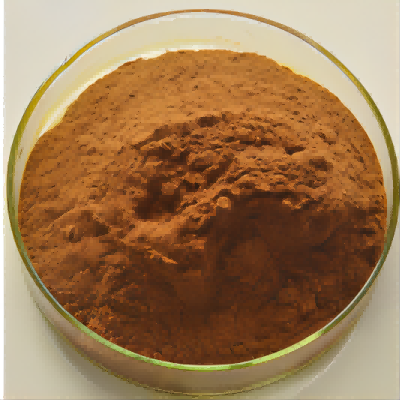
Rosemary Extract CAS:84604-14-8 Manufacturer Supplier
Rosemary leaf extract is an effective antioxidant that protects the skin and prevents signs of premature aging.Rosmarinic acid(rosmarinus officinalis extract) has a powerful calming effect on skin conditions such as eczema and acne.Rosmarinic acid(rosmarinus officinalis leaf extract) is an ingredient in rosemary extract has a calming effect on the skin and may help relieve several common skin problems.Rosmarinic acid is an antioxidant,and caffeic acid is another natural ingredient of rosemary.
-
Glutamic Acid CAS:6899-05-4 Manufacturer Supplier
Glutamic acid (abbreviated as Glu or E) is one of the 20-22 proteinogenic amino acids, and its codons are GAA and GAG. It is a non-essential amino acid. The carboxylate anions and salts of glutamic acid are known as glutamates. In neuro science, glutamate is an important neuro transmitter that plays a key role in long-term potentiation and is important for learning and memory.
-
Calcium Gluconate CAS:299-28-5 Manufacturer Supplier
Calcium gluconate is the calcium salt of gluconate, being an oxidative product of glucose containing 9.3% calcium. Calcium gluconate is a kind of mineral supplement and medication. It can be used for vein injection to treat the low blood calcium, high blood potassium, and magnesium toxicity. It is required only when there is not enough calcium in the diet. It is also used for the treatment of black widow spider bites to relieve muscle cramping and treatment of osteoporosis or rickets. It can also be used to decrease the capillary permeability in allergic conditions, nonthrombocytopenic purpura and exudative dermatoses.
-
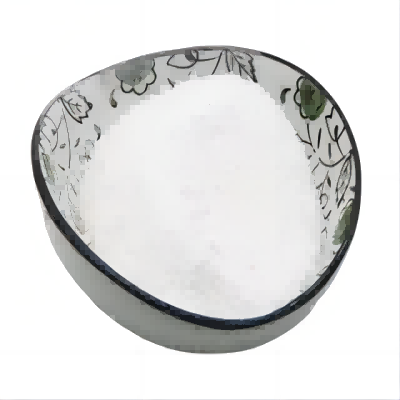
Sodium Ascorbate CAS:134-03-2 Manufacturer Supplier
Sodium ascorbate is sodium salt of ascorbic acid (commonly known as vitamin C), which is approved for use as a food additive in many countries. Sodium ascorbate is consisted of a combination of sodium and vitamin C, which commonly serve as an antioxidant and an acidity regulator in pharmaceutical manufacturing and in the food industry. In this mixture, sodium acts as a buffer, creating a less acidic supplement than those made entirely from vitamin C. It can be easier to tolerate if the digestive system is sensitive to acid. As a vitamin C supplement, it provides both sodium and vitamin C for human body, which is effective to prevent or treat vitamin C deficiency. Besides, studies have shown that taking sodium ascorbate is helpful with cancer prevention and treatment.

