-
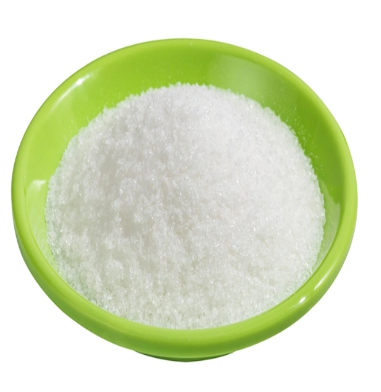
Cytosine CAS:71-30-7 Manufacturer Price
Cytosine is one of the four main nitrogenous bases found in DNA and RNA. It pairs with guanine through three hydrogen bonds in DNA. Its chemical structure includes a pyrimidine ring and an amine group. In DNA, cytosine can undergo deamination to form uracil, which can lead to mutations if not repaired. Cytosine plays a crucial role in genetic coding and the transfer of genetic information.
-
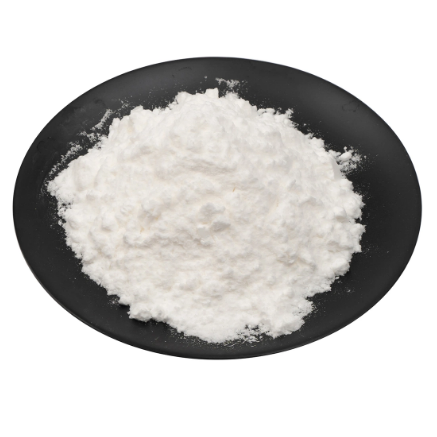
4-Nitrophenyl phosphate disodium salt hexahydrate CAS:4264-83-9
4-Nitrophenyl phosphate disodium salt hexahydrate is a chemical compound often used in biochemical and pharmaceutical research. It is a salt form of 4-nitrophenyl phosphate, containing two sodium ions and six water molecules. This compound is commonly employed as a substrate for phosphatase assays and in the study of enzyme kinetics.
-
4-Amino-1-((2R,4S,5R)-4-hydroxy-5-(hydroxymethyl)tetrahydrofuran-2-yl)pyrimidin-2(1H)-one CAS:951-77-9
2′-Deoxycytidine is a nucleoside that is composed of the nucleobase cytosine linked to the sugar deoxyribose. It is a key component of DNA and plays a crucial role in genetic information storage and transmission within living organisms.
-
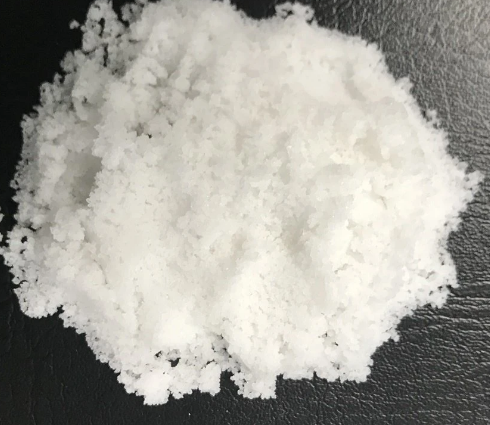
Sodium 1-((2R,3R,4S,5R)-3,4-dihydroxy-5-(hydroxymethyl)tetrahydrofuran-2-yl)-2,4-dioxo-1,2,3,4-tetrahydropyrimidin-5-yl hydrogendiphosphate CAS:27821-45-0
The chemical compound described as “Sodium 1-((2R,3R,4S,5R)-3,4-dihydroxy-5-(hydroxymethyl)tetrahydrofuran-2-yl)-2,4-dioxo-1,2,3,4-tetrahydropyrimidin-5-yl hydrogendiphosphate” is a complex molecule commonly known as UDP, which stands for uridine diphosphate. It plays a critical role in cellular metabolism and the biosynthesis of nucleic acids and glycolipids. UDP is involved in a variety of biochemical processes, including energy transfer, carbohydrate metabolism, and the synthesis of glycogen and glycoproteins. Additionally, it serves as a substrate for the enzymatic addition of sugars in the formation of glycoproteins and glycolipids.
-

Ammonium tetrachloroaurate (III) hydrate CAS:13874-04-9
Ammonium tetrachloroaurate, also known as gold ammonium chloride, is a compound used in various applications in chemistry and materials science. It is commonly utilized as a precursor for the synthesis of gold nanoparticles, which have applications in fields such as nanotechnology, biomedical research, and catalysis. Additionally, it is employed in the preparation of solutions for gold plating, a process used to coat objects with a thin layer of gold for decorative or functional purposes. Ammonium tetrachloroaurate also finds use in chemical analysis, particularly in the detection and quantification of certain compounds.
-
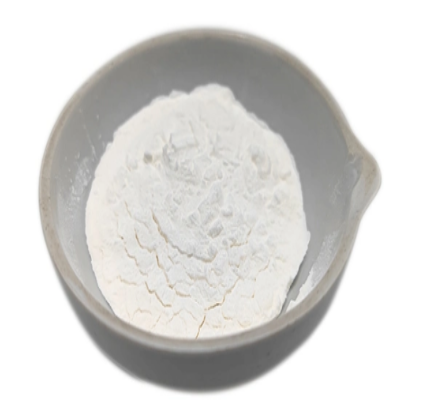
5-Bromouracil CAS:51-20-7 Manufacturer Price
5-Bromouracil is a synthetic analog of uracil, which is a component of RNA. 5-Bromouracil can be incorporated into nucleic acids and can induce mutations by mispairing with guanine during DNA replication. It is used as a mutagen in genetic research to study mutation rates and mechanisms.
-

guanosine 5′-(disodium dihydrogen triphosphate) CAS:56001-37-7
Guanosine-5′-triphosphate disodium is a compound that is used in various biochemical processes, such as in the synthesis of RNA and DNA, as well as in signal transduction pathways. It is a nucleoside triphosphate, which means it consists of the nucleoside guanosine linked to three phosphate groups. The disodium salt form simply indicates that it is a salt containing two sodium ions.
This compound is important in cellular energy transfer and is involved in various enzymatic reactions. It is also a source of energy for protein synthesis and other cellular processes.
-
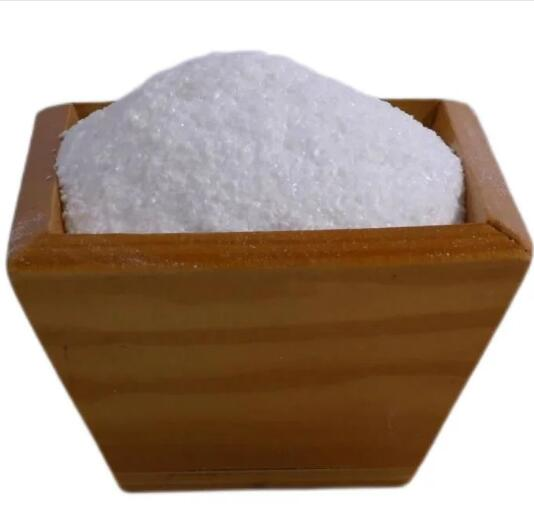
5′-O-Tritylthymidine CAS:7791-71-1 Manufacturer Price
5′-O-Tritylthymidine is a derivative of thymidine, which is a nucleoside composed of the pyrimidine base thymine linked to a deoxyribose sugar. The trityl group is a protecting group commonly used in organic synthesis to temporarily mask a reactive functional group. In the case of 5′-O-Tritylthymidine, the trityl group is attached to the 5′ hydroxyl group of the deoxyribose sugar of thymidine. This modification is often employed in the synthesis and modification of nucleic acids, particularly in the context of solid-phase DNA synthesis. The trityl group serves to protect the 5′ hydroxyl group during chemical reactions and can be selectively removed under mild conditions to generate the free hydroxyl group for subsequent manipulations. This compound finds applications in the field of nucleic acid chemistry and oligonucleotide synthesis.
-
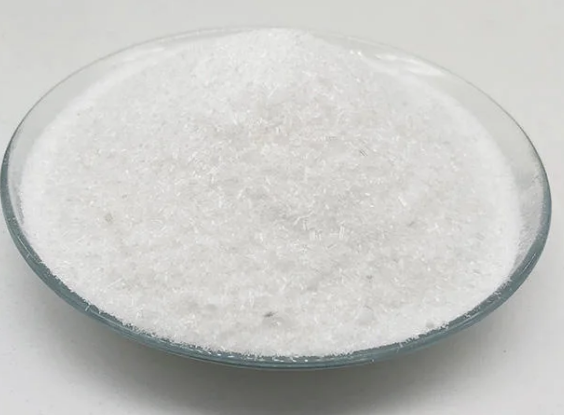
dAMP, 2′-Deoxyadenosine-5′-monophosphate, free acid CAS:653-63-4
2′-Deoxyadenosine 5′-phosphate is a nucleotide, which serves as a critical building block for DNA synthesis. It plays a fundamental role in the genetic code and is involved in the replication and transmission of genetic information in living organisms. This molecule is essential for cellular function and is a key component in the process of DNA replication and repair. Additionally, it is a precursor for the synthesis of deoxyribonucleic acid (DNA) and is involved in various biochemical pathways related to genetic material.
-
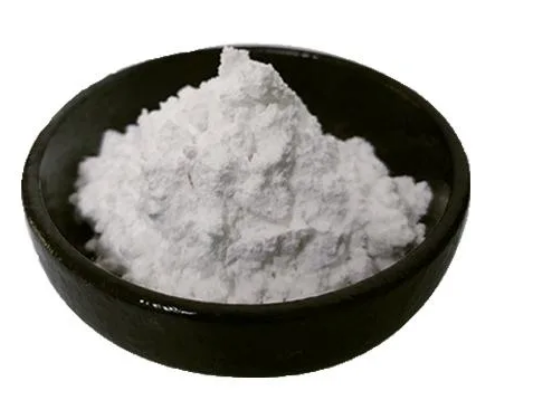
Hypoxanthine CAS:68-94-0 Manufacturer Price
Hypoxanthine is a naturally occurring compound that is an intermediate in the degradation of purines. It is a key component of nucleic acids and is involved in various biological processes, including the synthesis and metabolism of DNA and RNA. In addition, hypoxanthine has been found to play a role in certain health conditions, such as gout and Lesch-Nyhan syndrome.
-
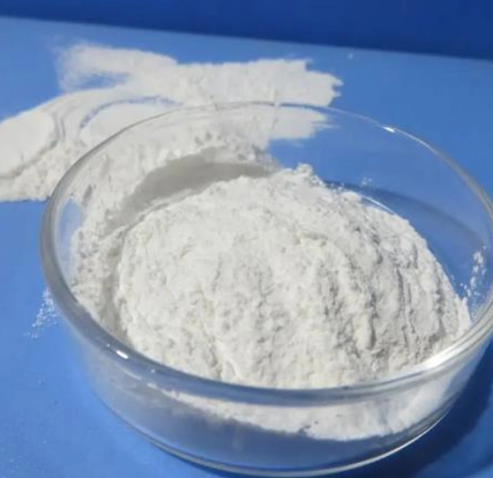
5′-Deoxy-5-fluorocytidine CAS:66335-38-4
5′-Deoxy-5-fluorocytidine is a synthetic nucleoside analog that is being investigated for its potential antiviral activity, particularly against RNA viruses like hepatitis C virus (HCV) and flaviviruses. It works by interfering with the replication of the viral genetic material, ultimately inhibiting the virus’s ability to multiply and spread within the body.
-

Adenosine 5′-monophosphate CAS:61-19-8 Manufacturer Price
Adenosine 5′-monophosphate (AMP) is a nucleotide that serves as an important building block for the synthesis of RNA and ATP (adenosine triphosphate), which is a critical energy carrier within cells. In addition to its role in nucleic acid synthesis, AMP also acts as a signaling molecule in various cellular processes and is involved in the regulation of metabolism. AMP is an integral component of the cellular energy metabolism and plays a crucial role in maintaining the balance of energy production and utilization within the cell.

