-
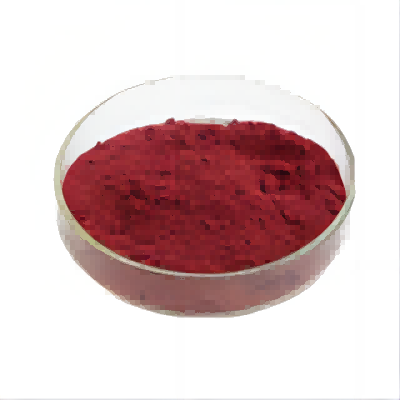
Lycopene CAS:502-65-8 Manufacturer Supplier
Lycopene is a red-colored carotenoid found in tomatoes and other red fruits and vegetables. Carotenoids, including lycopene, are powerful antioxidants that efficiently quench singlet oxygen. Presumably through this action, carotenoids may protect against cancers, cardiovascular stress, and other diseases.
-
Gellan Gum CAS:71010-52-1 Manufacturer Supplier
Gellan gum is a kind of anionic polysaccharide produced through the submerged fermentation of the bacterium Sphingomonas elodea. It is soluble in water. It is a polymer with tetrascharide being the repeating unit; the tetrascharide consists of two residues of D-glucose and one of each residue of L-rhamnose and D-glucuronic acid. It can be used as a gelling, texturizing and suspension hydrocolloid. It is a suitable agar substitute which can be supplemented to various kinds of growth media for microbes, especially thermophilic microorganisms because of its resistance to relatively high temperature (120 degree). It can also be used as gelling agent in plant cell culture on Petri dishes. It can also be used as a food additive, e.g. it can be used in plant based milks to keep plant protein suspended in the milk.
-
Sodium Erythorbate CAS:6381-77-7 Manufacturer Supplier
Sodium Erythorbate and D-Sodium Erythorbate (also known as D-isoascorbic acid, chemical formula C6H8O6) are mainly used as food antioxidants, widely used in meat food, fish food, beer, fruit juice, fruit juice crystal, canned fruit and vegetables, pastry, dairy products, jam, wine, pickles, oil and other processing industries. Isovc sodium is widely used in meat products. As a hair color aid and meat hair color agent nitrite, isoVC sodium has an obvious color protection effect. An appropriate amount of nitrite can inhibit the growth and reproduction of botulinum toxin bacteria and play a role in preservation. Isovc sodium is indispensable in the production of ham sausage, canned meat products, sausage, soy sauce meat and other meat products.
-
Glyceryl Monolaurate CAS:142-18-7 Manufacturer Supplier
Glyceryl Monolaurate is a 1-monoglyceride with dodecanoyl (lauroyl) as the acyl group. It is a 1-monoglyceride and a dodecanoate ester.Glycerol monolaurate is an advanced food emulsifiers preservatives nowadays, exists in breast milk naturally .Distilled Glycerol Monolaurate(GML) 90% min is an advanced food emulsifiers preservatives nowadays.
-
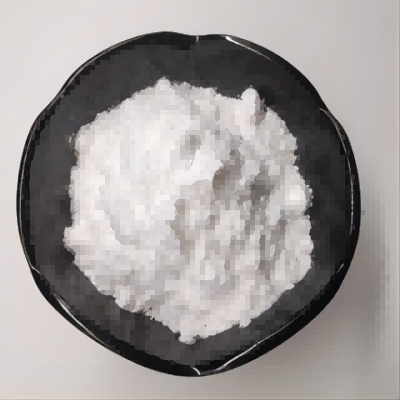
Erythoric Acid CAS:89-65-6 Manufacturer Supplier
Erythorbic Acid is used as a food additive as an antimicrobial and antioxidative agent.Erythorbic acid is a stereoisomer of L-ascorbic acid, and is used as an antioxidant in foods and oral pharmaceutical formulations. It has approximately 5% of the vitamin C activity of L-ascorbic acid.
-
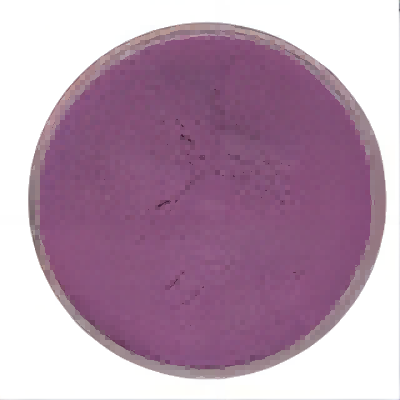
Enocyanin CAS:11029-12-2 Manufacturer Supplier
Enocyanin is an anthocyanin obtained from grapes. It can affect the activities of leucine aminopeptidase, acid phosphatase, γ-glutamyl transpeptidase and esterase.Enocyanin is used for acid drinks, wine, jam, jelly and other food coloring.
-
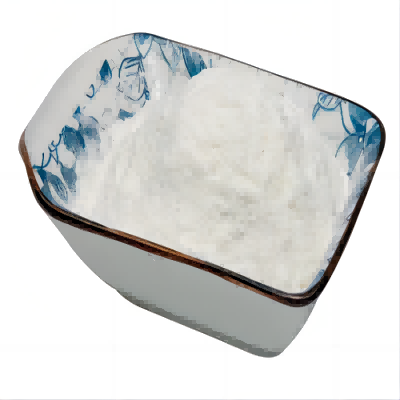
Beta-Cyclodextrin CAS:7585-39-9 Manufacturer Supplier
Cyclodextrins refer to a family of compounds consisting of sugar molecules bound together in ring (cyclic oligosaccharides). It is produced from starch through enzymatic conversion. Beta-cyclodextrin is the 7-membered sugar ring molecular form of cyclodextrin. Cyclodextrin has various applications. In the pharmaceutical industry, it can be used as complexing agents for increasing the solubility of poorly soluble drug as well as increasing their bioavailability and stability. It can also alleviate the gastrointestinal drug irritation, and prevent drug-drug and drug-excipient interactions. It can also be used in food, pharmaceutical, drug delivery, and chemical industries, as well as agriculture and environmental engineering.
-
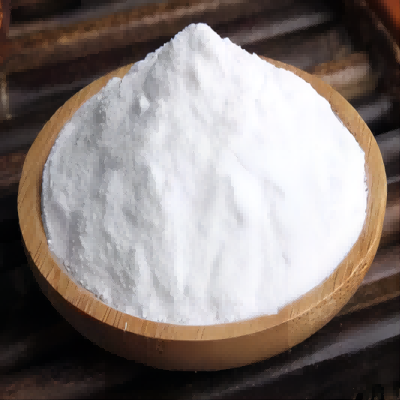
Sodium Metabisulphite CAS:7631-90-5 Manufacturer Supplier
Sodium hydrogensulfite is an inorganic sodium salt having hydrogensulfite as the counterion. It has a role as a mutagen and an allergen. It is an inorganic sodium salt and a sulfite salt. It contains a hydrogensulfite.
-
5-Iodo-2′-deoxycytidine CAS:54-42-2 Manufacturer Price
5-Iodo-2′-deoxycytidine is a modified form of the nucleoside deoxycytidine. It contains an iodine atom substituted at the 5th position of the pyrimidine ring. This compound has shown potential utility in cancer research and treatment due to its ability to induce DNA damage and affect cell proliferation. It is often used as a research tool in studies related to nucleoside analogs and their effects on cellular pathways. Additionally, its potential role as a radiosensitizer in cancer therapy is also under investigation.
-

Cytidine-5′-triphosphate disodium salt CAS:36051-68-0
Cytidine-5′-triphosphate disodium salt (CTP-Na2) is a nucleoside triphosphate that serves as a building block in the synthesis of RNA. It plays a critical role in cellular metabolism, serving as a substrate for RNA polymerases in transcription and as an energy source for various enzymatic reactions. CTP-Na2 is often used in biochemical and molecular biology research as a component in reactions involving RNA synthesis, modification, and regulation. Its disodium salt form increases its solubility in aqueous solutions, making it more convenient for laboratory use.
-
Ribonucleic acid from Baker’s Yeast CAS:63231-63-0
Ribonucleic acid (RNA) from Baker’s yeast, also known as Saccharomyces cerevisiae, refers to the RNA molecules present in this common single-celled fungus. It serves various essential functions in the cell, including protein synthesis, enzymatic activity, and gene regulation. RNA from Baker’s yeast is of interest to scientists and researchers studying molecular biology, genetics, and cellular processes. It is utilized in a wide range of experiments and studies to gain insights into gene expression, RNA processing, and the molecular mechanisms underlying cellular functions.
-
AGOTF CAS:2923-28-6 Manufacturer Price
Silver trifluoromethanesulfonate, also known as silver triflate, is a silver salt of trifluoromethanesulfonic acid. It is a versatile reagent and catalyst in organic synthesis, commonly used in various chemical transformations such as carbon-carbon bond formation, nucleophilic substitution, and rearrangement reactions. Silver trifluoromethanesulfonate is valued for its ability to activate substrates, as well as its compatibility with a wide range of functional groups.

