-
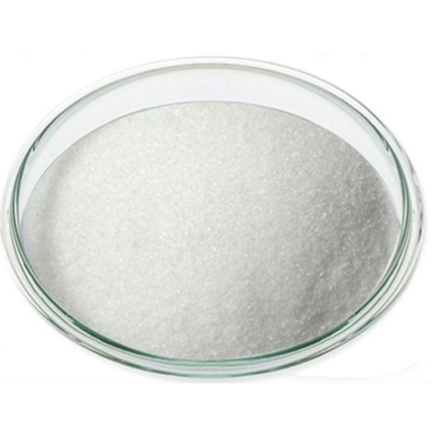
dGMP, 2′-Deoxyguanosine-5′-monophosphate disodium salt CAS:33430-61-4
2′-Deoxyguanosine-5′-monophosphate disodium salt is a chemical compound that is often used in biochemical research and molecular biology. It is a salt form of the monophosphate derivative of the nucleoside 2′-deoxyguanosine, which is an essential component of DNA. This compound is utilized in various laboratory procedures such as DNA sequencing, enzyme studies, and as a substrate in enzymatic reactions.
-
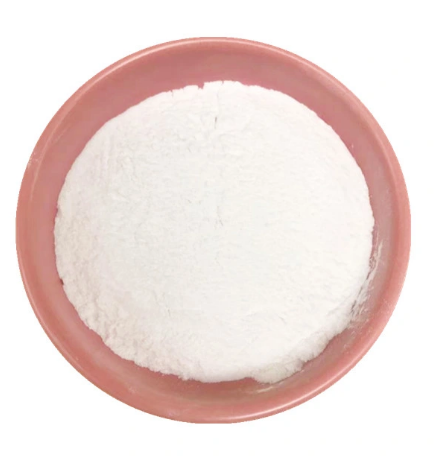
Cytidine-5′-monophosphate (CMP), free acid CAS:63-37-6
Cytidine 5’-monophosphate (CMP) is a nucleotide that serves as a building block for RNA synthesis and modification. It is an essential component in the construction of RNA molecules and is involved in processes such as mRNA capping and nucleotide metabolism. CMP is also used in biochemical and molecular biology research for applications such as in vitro transcription and nucleic acid labeling. Its role in RNA metabolism and its use in various experimental techniques make it a critical tool in understanding the structure and function of RNA molecules.
-
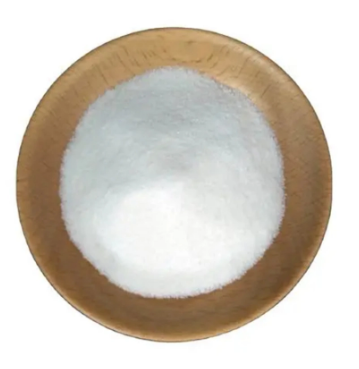
ITP, inosine 5′-triphosphate trisodium salt CAS:35908-31-7
Inosine-5′-triphosphate trisodium salt, commonly abbreviated as ITP-Na3, is a triphosphate form of inosine, a nucleoside that plays a vital role in various biological processes. This compound is a salt form, making it water-soluble and suitable for use in biochemical and enzymatic assays, as well as in molecular biology research. Inosine-5′-triphosphate trisodium salt is utilized for studying enzymatic reactions, nucleotide interconversion, and as a substrate for certain enzymes. Its applications also extend to nucleotide analog studies and as a component in the preparation of nucleotide mixtures used in molecular biology techniques.
-

Adenosine-5′-diphosphate, disodium salt CAS:16178-48-6
Adenosine-5′-diphosphate disodium salt is a chemical compound used in biochemical research and as a reagent in various laboratory applications. It is a nucleotide derivative involved in cellular metabolism and the transfer of energy within cells. In research settings, it is often used to study enzyme activities, signal transduction pathways, and nucleotide metabolism. As a disodium salt, it is more water-soluble compared to the free acid form, allowing for easier handling and preparation of solutions.
-
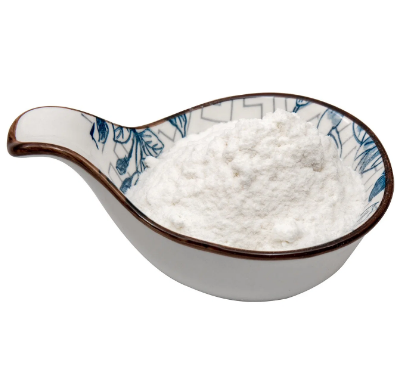
Cytidine-5′-triphosphate (CTP), disodium salt CAS:652154-13-7
Cytidine-5′-triphosphate (CTP), disodium salt is a nucleoside triphosphate that serves as a building block for RNA synthesis. It plays a crucial role in cellular metabolism and is essential for the transfer of genetic information from DNA to RNA during transcription. CTP is widely used in molecular biology research, particularly in studies related to RNA synthesis, RNA interference, and other RNA-related processes. Additionally, it is utilized in enzymatic reactions, nucleotide metabolism studies, and as a substrate for various biochemical assays. In the pharmaceutical industry, CTP may also have potential applications in the development of antiviral and anticancer drugs.
-
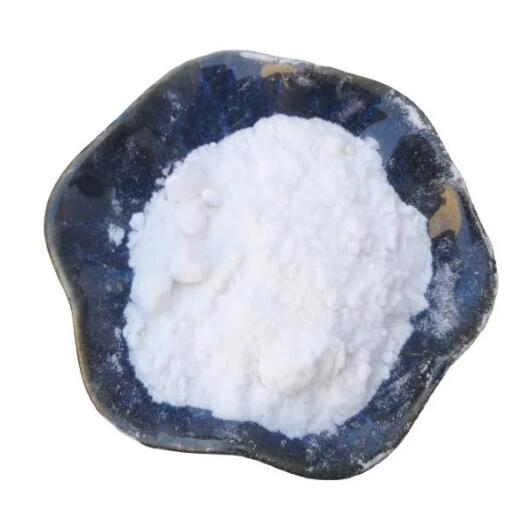
dUMP, 2′-Deoxyuridine-5′-monophosphate, disodium salt CAS:42155-08-8
2′-Deoxyuridine-5′-monophosphate (dUMP) is a nucleotide derivative involved in DNA synthesis and repair. It serves as a precursor for dTTP (deoxythymidine triphosphate), which is a necessary building block for DNA replication. dUMP is also a key component in the process of thymidylate biosynthesis, where it is converted into dTMP (deoxythymidine monophosphate) by the enzyme thymidylate synthase. This conversion is essential for maintaining proper nucleotide balance and DNA integrity within cells.
-
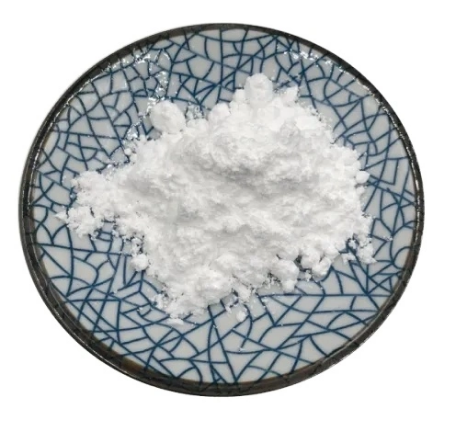
2′-Deoxythymidine CAS:50-89-5 Manufacturer Price
2′-Deoxythymidine, also known as thymidine, is a nucleoside that functions as a building block for DNA. It is crucial for DNA synthesis and plays a key role in the accurate transmission of genetic information in cells. 2′-Deoxythymidine is essential for cell growth, replication, and function, and it is actively involved in DNA repair processes. In scientific research, 2′-Deoxythymidine is used as a precursor for the synthesis of oligonucleotides and as a tool for studying DNA-protein interactions, DNA sequencing, and other molecular biology techniques.
-
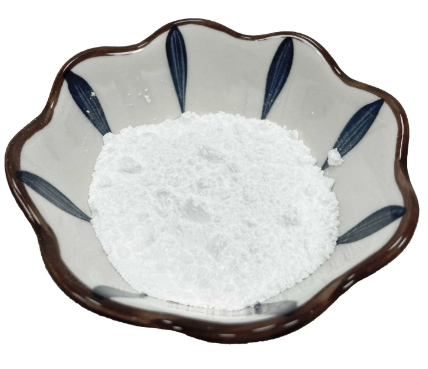
5-Iodo-2′-deoxycytidine CAS:54-42-2 Manufacturer Price
5-Iodo-2′-deoxycytidine is a modified form of the nucleoside deoxycytidine. It contains an iodine atom substituted at the 5th position of the pyrimidine ring. This compound has shown potential utility in cancer research and treatment due to its ability to induce DNA damage and affect cell proliferation. It is often used as a research tool in studies related to nucleoside analogs and their effects on cellular pathways. Additionally, its potential role as a radiosensitizer in cancer therapy is also under investigation.
-

Cytidine-5′-triphosphate disodium salt CAS:36051-68-0
Cytidine-5′-triphosphate disodium salt (CTP-Na2) is a nucleoside triphosphate that serves as a building block in the synthesis of RNA. It plays a critical role in cellular metabolism, serving as a substrate for RNA polymerases in transcription and as an energy source for various enzymatic reactions. CTP-Na2 is often used in biochemical and molecular biology research as a component in reactions involving RNA synthesis, modification, and regulation. Its disodium salt form increases its solubility in aqueous solutions, making it more convenient for laboratory use.
-
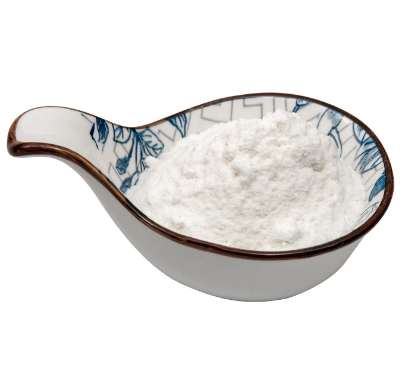
Ribonucleic acid from Baker’s Yeast CAS:63231-63-0
Ribonucleic acid (RNA) from Baker’s yeast, also known as Saccharomyces cerevisiae, refers to the RNA molecules present in this common single-celled fungus. It serves various essential functions in the cell, including protein synthesis, enzymatic activity, and gene regulation. RNA from Baker’s yeast is of interest to scientists and researchers studying molecular biology, genetics, and cellular processes. It is utilized in a wide range of experiments and studies to gain insights into gene expression, RNA processing, and the molecular mechanisms underlying cellular functions.
-
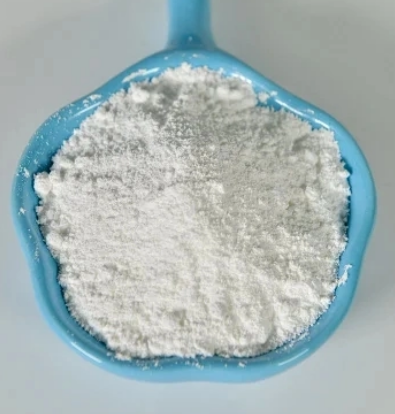
AGOTF CAS:2923-28-6 Manufacturer Price
Silver trifluoromethanesulfonate, also known as silver triflate, is a silver salt of trifluoromethanesulfonic acid. It is a versatile reagent and catalyst in organic synthesis, commonly used in various chemical transformations such as carbon-carbon bond formation, nucleophilic substitution, and rearrangement reactions. Silver trifluoromethanesulfonate is valued for its ability to activate substrates, as well as its compatibility with a wide range of functional groups.
-
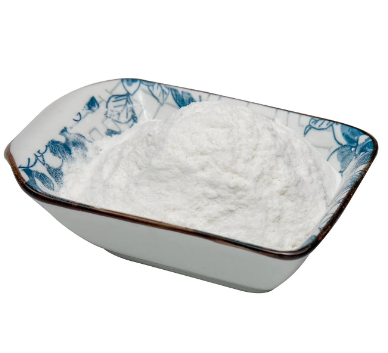
2′-O-Methyluridine CAS:2140-76-3 Manufacturer Price
2′-O-Methyluridine is a modified nucleoside that contains a methyl group at the 2′ position of the ribose ring. It is an important building block in the synthesis of modified RNA molecules and has been studied for its potential biological and pharmacological properties. Some of its reported applications include its use in RNA research, as a component in the production of modified RNA for therapeutic and functional genomics applications, and as a tool in the study of RNA structure and function.