-

Disodium 5′-Inosinate CAS:4691-65-0 Manufacturer Supplier
Disodium 5′-ribonucleotide is obtained by decomposing and separating nucleic acid obtained from yeast; or by fermentation. This product is mainly composed of disodium 5′-guanylate and 5′-inosinic acid, and its properties are also similar. It is a white to beige crystal or powder, odorless, delicious, and sodium glutamate. There is significant synergy in the combination, and the freshness is greatly increased. Soluble in water, slightly soluble in ethanol and ether. Disodium uridine diphosphate and disodium 5′-disuccinic acid show weaker odor.A 5 ′ -nucleotide derived from seaweed or dried fish. Sodium guanylate is a by-product.
-

Kojic Acid CAS:501-30-4 Manufacturer Supplier
Kojic acid is a skin-lightening agent that acts through anti-oxidant activity. Kojic acid is a tyrosinase inhibitor, although it is not as effective as licorice extract. When combined with allantoin and other proper ingredients in sunscreen preparations, the mixture can inhibit uV-caused erythema and accelerate wound healing. It is also found to be skin sensitizing and can be irritating.
-

Gelatin CAS:9000-70-8 Manufacturer Supplier
Gelatin does not occur in nature as such, but is derived by hydrolysis of collagen, the chief protein component in connective tissues of the animal body. Extraction of gelatin for use as a glue by cooking hides dates back to the earliest recorded history of man and appears in the literature of the items up to the present day.
-
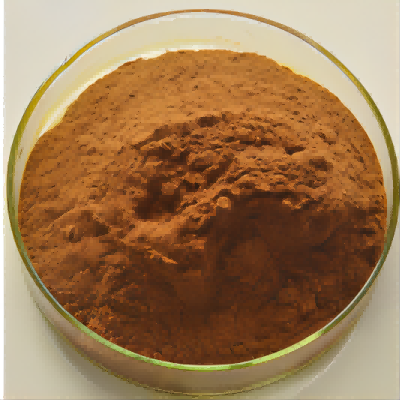
Rosemary Extract CAS:84604-14-8 Manufacturer Supplier
Rosemary leaf extract is an effective antioxidant that protects the skin and prevents signs of premature aging.Rosmarinic acid(rosmarinus officinalis extract) has a powerful calming effect on skin conditions such as eczema and acne.Rosmarinic acid(rosmarinus officinalis leaf extract) is an ingredient in rosemary extract has a calming effect on the skin and may help relieve several common skin problems.Rosmarinic acid is an antioxidant,and caffeic acid is another natural ingredient of rosemary.
-
Glutamic Acid CAS:6899-05-4 Manufacturer Supplier
Glutamic acid (abbreviated as Glu or E) is one of the 20-22 proteinogenic amino acids, and its codons are GAA and GAG. It is a non-essential amino acid. The carboxylate anions and salts of glutamic acid are known as glutamates. In neuro science, glutamate is an important neuro transmitter that plays a key role in long-term potentiation and is important for learning and memory.
-
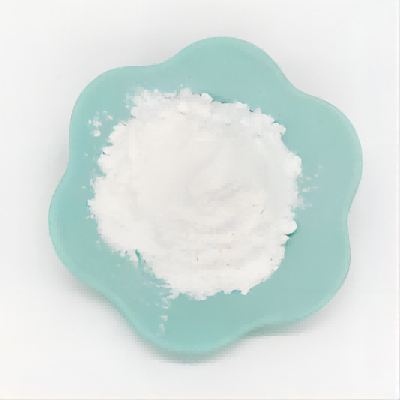
Calcium Gluconate CAS:299-28-5 Manufacturer Supplier
Calcium gluconate is the calcium salt of gluconate, being an oxidative product of glucose containing 9.3% calcium. Calcium gluconate is a kind of mineral supplement and medication. It can be used for vein injection to treat the low blood calcium, high blood potassium, and magnesium toxicity. It is required only when there is not enough calcium in the diet. It is also used for the treatment of black widow spider bites to relieve muscle cramping and treatment of osteoporosis or rickets. It can also be used to decrease the capillary permeability in allergic conditions, nonthrombocytopenic purpura and exudative dermatoses.
-
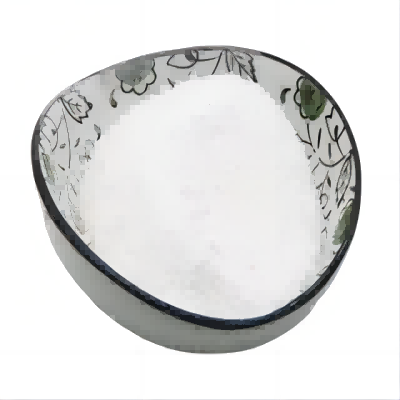
Sodium Ascorbate CAS:134-03-2 Manufacturer Supplier
Sodium ascorbate is sodium salt of ascorbic acid (commonly known as vitamin C), which is approved for use as a food additive in many countries. Sodium ascorbate is consisted of a combination of sodium and vitamin C, which commonly serve as an antioxidant and an acidity regulator in pharmaceutical manufacturing and in the food industry. In this mixture, sodium acts as a buffer, creating a less acidic supplement than those made entirely from vitamin C. It can be easier to tolerate if the digestive system is sensitive to acid. As a vitamin C supplement, it provides both sodium and vitamin C for human body, which is effective to prevent or treat vitamin C deficiency. Besides, studies have shown that taking sodium ascorbate is helpful with cancer prevention and treatment.
-
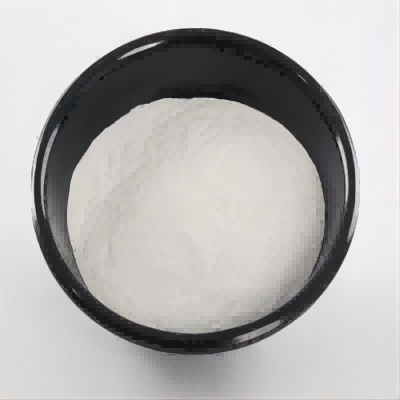
Carrageenan CAS:9000-07-1 Manufacturer Supplier
Carrageenans are mucopolysaccharides from the cell walls of the red algae. They are anionic linear polymers composed of 1,3α-1,4β-galactans having one (κ-), two (ι-) or three (λ-) sulfates per disaccharide unit. In ionic solutions, κ- and ι-carrageenans self-associate into helical structures that form rigid or flexible gels, respectively. λ-carrageenans do not form helices and are non-gelling. Carrageenans are used commercially as thickeners and stabilizing agents.
-
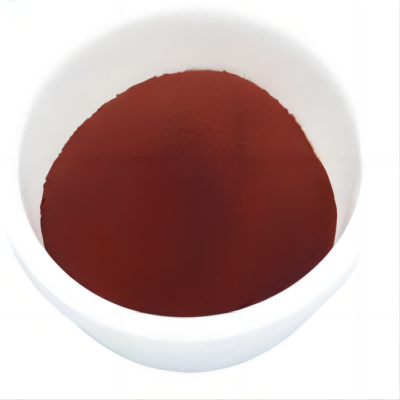
Astaxanthin CAS:472-61-7 Manufacturer Supplier
Astaxanthin is a carotenone that consists of beta,beta-carotene-4,4′-dione bearing two hydroxy substituents at positions 3 and 3′ (the 3S,3′S diastereomer). A carotenoid pigment found mainly in animals (crustaceans, echinoderms) but also occurring in plants. It can occur free (as a red pigment), as an ester, or as a blue, brown or green chromoprotein. It has a role as an anticoagulant, an antioxidant, a food colouring, a plant metabolite and an animal metabolite. It is a carotenone and a carotenol. It derives from a hydride of a beta-carotene.
-
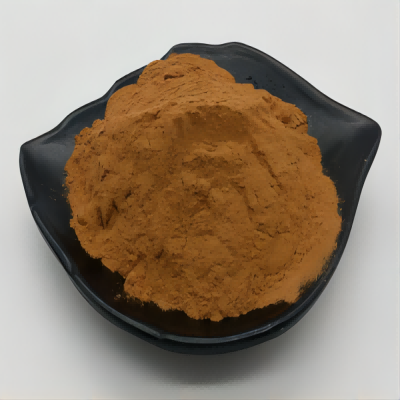
Lecithin CAS:8002-43-5 Manufacturer Supplier
Lecithins are used in a wide variety of pharmaceutical applications. They are also used in cosmetics and food products.Lecithins are mainly used in pharmaceutical products as dispersing, emulsifying, and stabilizing agents, and are included in intramuscular and intravenous injections, parenteral nutrition formulations, and topical products such as creams and ointments.Lecithins are also used in suppository bases, to reduce the brittleness of suppositories, and have been investigated for their absorption-enhancing properties in an intranasal insulin formulation. Lecithins are also commonly used as a component of enteral and parenteral nutrition formulations.
-
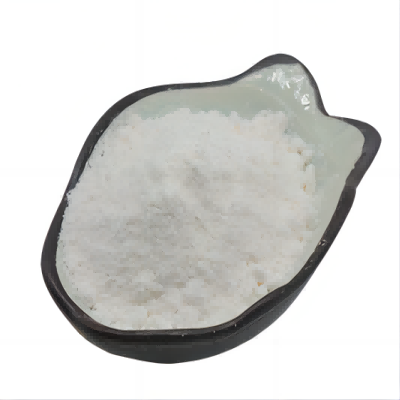
Glycerine Monostearate (GMS) CAS:31566-31-1 Manufacturer Supplier
Glyceryl monostearate, also known as monostearin, is a mixture of variable proportions of glyceryl monostearate, and glyceryl esters of fatty acids present in commercial stearic acid. Glyceryl monostearate is prepared by glycerolysis of certain fats or oils that are derived from edible sources or by esterification, with glycerin, of stearic acid that is derived from edible sources.
-

Disodium EDTA CAS:139-33-3 Manufacturer Supplier
Ethylenediaminetetra-acetic acid (abbreviated as EDTA) is used in several industrial applications attributing to its high ability to bind to most of metal cations. EDTA is produced as several salts, e.g. ethylenediaminetetra-acetic acid disodium salt (EDTAS).EDTA and its salts are used as chelating agents in cosmetic formulations. EDTAS is a preservative, sequestrant, and stabilizer in foods. EDTA is added to ascorbic acid-disodium benzoate containing soft drinks to mitigate the formation of benzene. EDTA and its salts are used as a component in the production of food-contact paper and paperboard. EDTAS is permitted in the feed and drinking water of animals and/or for the treatment of food-producing animals. In the textile industry, EDTA and its salts prevent metal ion impurities from changing colors of dyed products.