-

Hematoxylin CAS:517-28-2 Manufacturer Price
Hematoxylin is a natural dye extracted from the logwood tree, commonly used in histology and pathology for staining cell nuclei blue. It is often used in combination with eosin to provide contrast in tissue samples and is a widely used staining technique in medical and biological laboratories.
-

Nitrotetrazolium blue chloride CAS:298-83-9
Nitrotetrazolium blue chloride, often abbreviated as NBT, is a chemical compound commonly used as a substrate to detect the presence of certain enzymes, such as nitroreductases, in biological samples. When NBT is reduced by these enzymes, it forms an insoluble formazan product, producing a blue or purple color that can be visually or spectrophotometrically quantified. This reaction is frequently employed in research to study enzyme activity, particularly in immunology and microbiology. Additionally, NBT has been utilized in various assays to understand redox reactions and cellular oxidative stress.
-
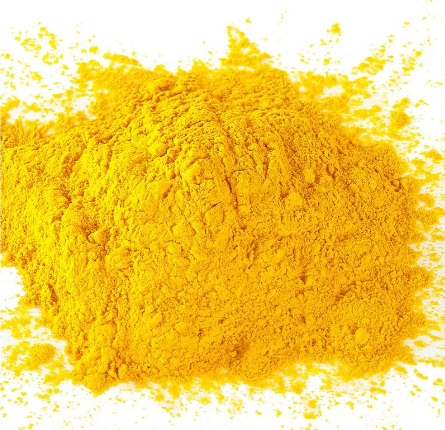
Dimethyl yellow CAS:60-11-7 Manufacturer Price
Dimethyl yellow is a synthetic organic compound used as a dye, particularly in the textile and paper industries. It is a bright yellow powder and is sometimes used as an indicator in analytical chemistry.
-

Acridine orange, hemi salt CAS:10127-02-3
Acridine orange hemi salt is a fluorescent dye commonly used in biology and medicine for various applications, such as staining nucleic acids in cell biology and histology. It is a cationic dye that binds to DNA and RNA, emitting a green fluorescence when bound to double-stranded nucleic acids and a red fluorescence when bound to single-stranded nucleic acids. Acridine orange hemi salt is also used in microbiology for distinguishing between living and dead cells and in the field of hematology for staining blood cells. Additionally, it has been employed in environmental research for assessing bacterial and yeast viability.
-
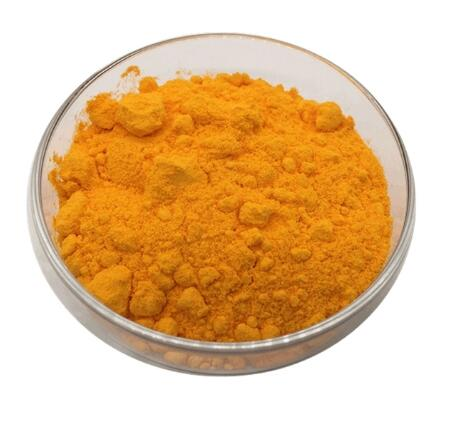
Methyl Orange CAS:547-58-0 Manufacturer Price
Methyl orange is a pH indicator frequently used in chemistry laboratories. It is a synthetic dye that changes color in response to variations in pH, with a transition range around pH 3.1 to 4.4. In acidic solutions, it appears red, and in alkaline solutions, it turns yellow. This property makes it useful for determining the acidity or basicity of a solution during titrations and other chemical analyses.
-
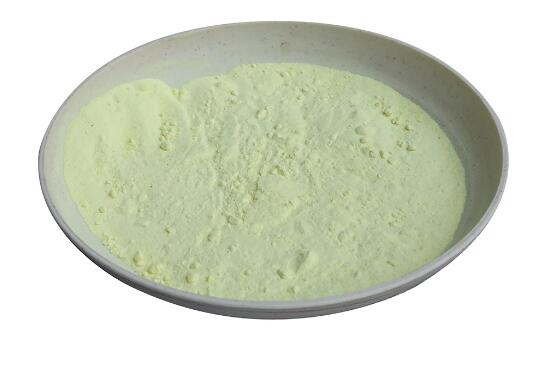
2,3,5-Triphenyltetrazolium chloride CAS:298-96-4
2,3,5-Triphenyltetrazolium chloride, commonly known as TTC, is a colorless compound that is often used to assess cellular metabolic activity. When TTC is added, it is converted into ared-colored formazan product by live cells with active metabolism. This reaction is often used to assess cell viability and metabolic activity in microbiology and cell biology experiments. TTC is widely used as an indicator of viable cells and is particularly useful in assessing the metabolic activity of microorganisms and plant tissues.
-

Eosin B CAS:548-24-3 Manufacturer Price
Eosin B is a synthetic red dye commonly used in histology and microbiology for staining cell and tissue samples. It is particularly useful for highlighting the cytoplasm and extracellular spaces in biological samples, as it is known to selectively bind to acidic structures such as collagen and muscle fibers. Eosin B is also employed in hematology for staining blood smears to visualize red blood cells and other blood components.
-
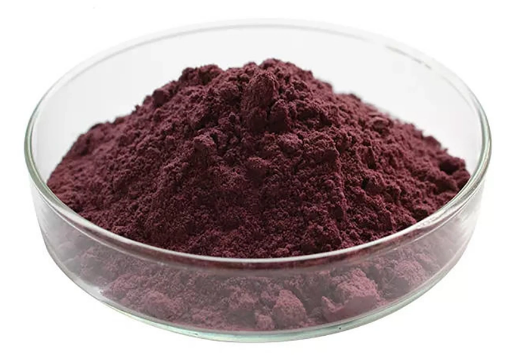
Methyl Red CAS:493-52-7 Manufacturer Price
Methyl Red is a pH indicator commonly used in microbiology to identify bacteria that produce stable acids when fermenting glucose. It is red at pH levels below 4.4 and yellow at pH levels above 6.2. Methyl Red is often employed in the identification of enteric bacteria and plays a crucial role in differentiating between various microbial species.
-
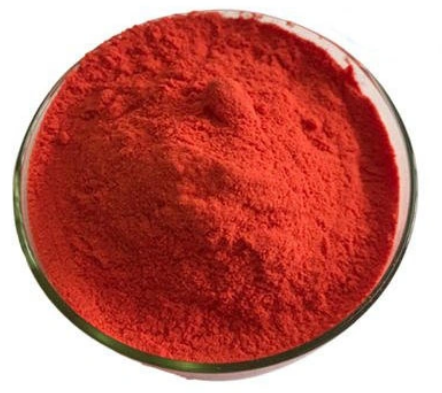
Cresol Red CAS:1733-12-6 Manufacturer Price
Cresol Red is a pH indicator dye that is commonly used in laboratory settings to determine the pH level of a solution. It is often used in combination with other dyes and indicators to provide a color change at a specific pH range. Cresol Red is typically red at a lower pH and yellow at a higher pH, making it useful for visualizing acidity changes in various substances.
-
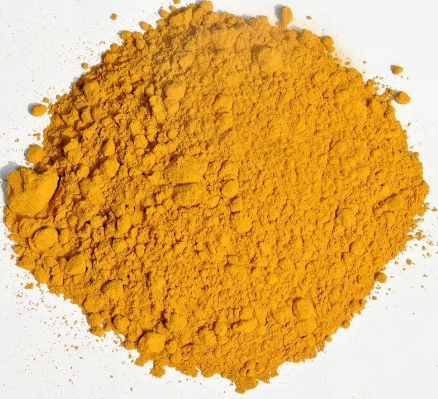
Mordant Yellow 1 CAS:584-42-9 Manufacturer Price
Mordant Yellow 1 is a synthetic dye that is commonly used in the textile industry. It is known for its vibrant yellow color and ability to adhere to fabric when used with a mordant (a substance that helps fix the dye to the material).
-
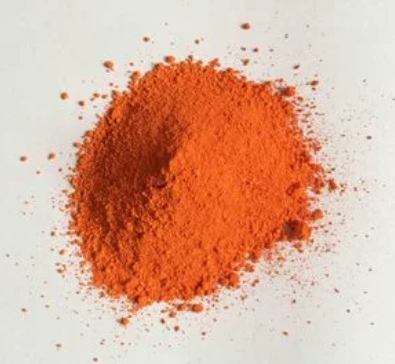
Orange G CAS:1936-15-8 Manufacturer Price
Orange G is a synthetic azo dye that is commonly used as a pH indicator and textile dye. It appears as a dark orange powder and is often employed in the laboratory to determine the pH of solutions. In the textile industry, Orange G is utilized to color nylon and silk fibers. The dye is also used in the food industry, particularly for coloring products such as smoked fish and cheese.
-

3,3 ,5,5 -Tetramethylbenzidine dihydrochloride hydrate CAS:207738-08-7
3,3′,5,5′-Tetramethylbenzidine (TMB) dihydrochloride hydrate is a chromogenic substrate commonly used in enzyme-linked immunosorbent assays (ELISAs) for detecting the presence of horseradish peroxidase (HRP). When TMB is oxidized by HRP in the presence of hydrogen peroxide, it produces a blue color, which can be quantitatively measured spectrophotometrically. This color change is used to detect the presence of HRP-labeled antibodies or other proteins in ELISA experiments. TMB is widely used in research, diagnostics, and pharmaceutical industries for its sensitivity and ease of use in detecting various biomolecules.