-
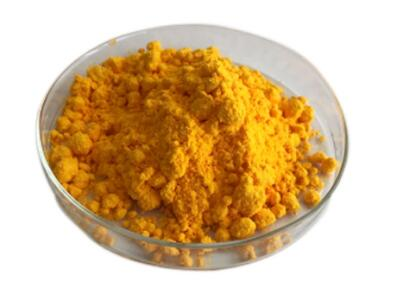
Orange II sodium salt CAS:633-96-5
Orange II sodium salt, also known as Orange II or Acid Orange 7, is an organic compound often used as a dye in various industries. With its bright orange color, it finds applications as a colorant in textiles, inks, and some cosmetics. Additionally, it is utilized as a staining agent in biological and histological processes, particularly in the context of microscopy and cellular analysis.
From a chemical perspective, Orange II sodium salt belongs to the azo dye class and is water-soluble. Its vivid hue makes it suitable for a range of aesthetic applications, contributing to the visual appeal of products in which it is used.
-
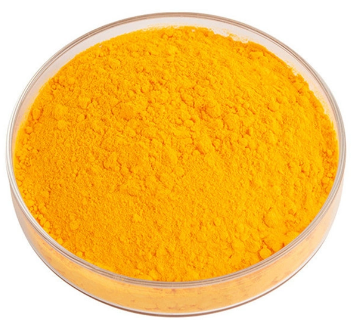
Riboflavin CAS:83-88-5 Manufacturer Price
Riboflavin, also known as vitamin B2, is an essential nutrient that plays a vital role in energy production and metabolism. It helps the body break down carbohydrates, proteins, and fats to generate energy. Additionally, riboflavin is involved in maintaining healthy skin, eyes, and nervous system. It also acts as an antioxidant, protecting cells from oxidative damage. Dietary sources of riboflavin include dairy products, meats, green leafy vegetables, and enriched cereals. Riboflavin deficiency can lead to conditions such as fatigue, skin disorders, and impaired growth.
-
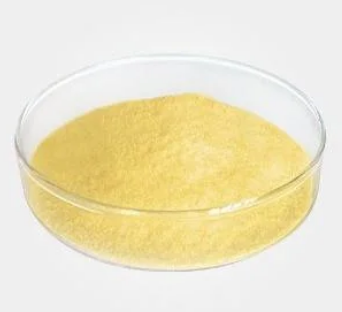
Vitamin a CAS:68-26-8 Manufacturer Price
Vitamin A is a fat-soluble vitamin that is essential for various bodily functions, including vision, immune system support, and cell growth. It also plays a crucial role in maintaining the health of skin and mucous membranes. Sources of vitamin A include liver, fish, eggs, and dairy products, as well as colorful fruits and vegetables, which contain carotenoids that can be converted into vitamin A in the body.
-
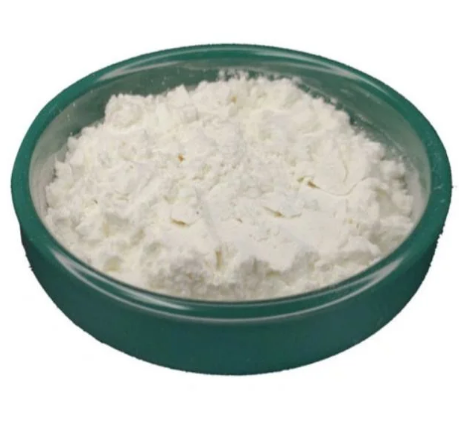
Nicotinamide CAS:98-92-0 Manufacturer Price
Nicotinamide, also known as niacinamide or vitamin B3, is a water-soluble vitamin that plays a critical role in supporting the body’s energy production, metabolism, and overall cellular health. It is a key component of the coenzymes NAD (nicotinamide adenine dinucleotide) and NADP (nicotinamide adenine dinucleotide phosphate), which are involved in numerous biochemical reactions, including those related to the breakdown of carbohydrates, fats, and proteins for energy.
Nicotinamide is also recognized for its antioxidant properties, helping to protect cells from oxidative stress and damage caused by free radicals.
-
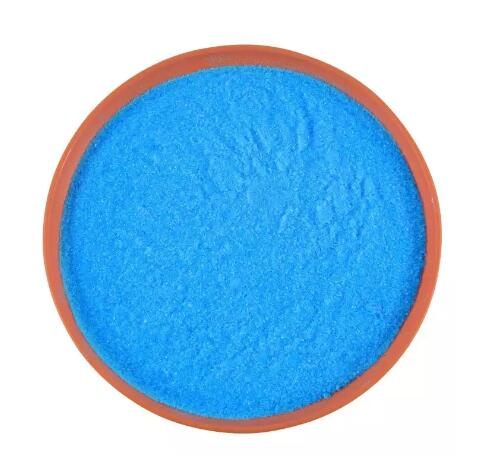
Alkali Blue 6B CAS:1324-80-7 Manufacturer Price
Alkali Blue 6B, also known as C.I. 42755, is a synthetic dye belonging to the class of triarylmethane dyes. It is commonly used in applications such as histology and microscopy for staining biological samples. Alkali Blue 6B is a versatile dye that can be used to visualize specific elements and structures within cells and tissues, making it a valuable tool in biological and medical research. Its chemical properties and staining characteristics make it suitable for various laboratory applications, aiding in tasks such as cell identification and localization of cellular components.
-
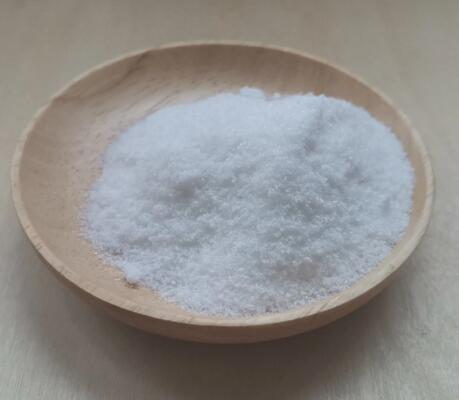
Vitamin B1 CAS:59-43-8 Manufacturer Price
Vitamin B1, also known as thiamine, is an essential nutrient that plays a key role in energy metabolism. It helps the body convert carbohydrates into energy and is important for the proper functioning of the nervous system. Thiamine is found in a variety of foods, including whole grains, nuts, seeds, and pork. Deficiency of vitamin B1 can lead to conditions such as beriberi and Wernicke-Korsakoff syndrome. It is often included in multivitamin supplements and is also available as a standalone supplement.
-
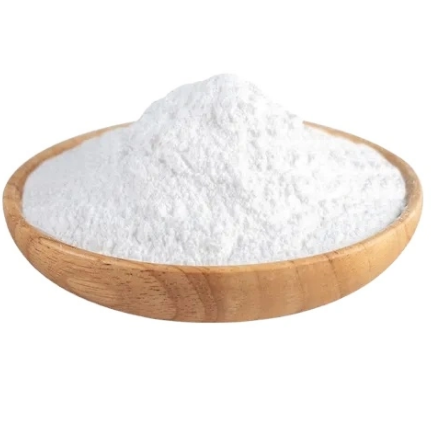
Sodium L-ascorbate CAS:134-03-2
Sodium L-ascorbate is a form of vitamin C that is often used as a dietary supplement. It is a salt of ascorbic acid and is more easily absorbed by the body than other forms of vitamin C. Sodium L-ascorbate plays a crucial role in supporting immune function, collagen production, and overall health. It is commonly used to prevent or treat vitamin C deficiency and is also utilized in the food and beverage industry as a preservative and antioxidant.
-
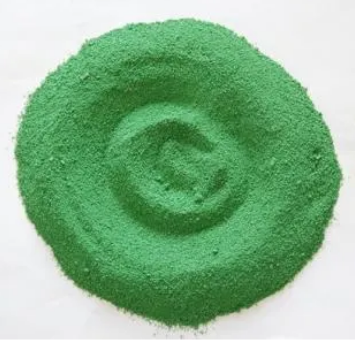
Wright’s stain CAS:68988-92-1 Manufacturer Price
Wright’s stain is a popular histological stain used in laboratory settings for the microscopic examination of blood cells. It is a combination of eosin Y and methylene blue, and it is primarily used to stain peripheral blood smears and bone marrow aspirates. Wright’s stain allows for the differentiation and visualization of various blood cell types, including red blood cells, white blood cells, and platelets.
-
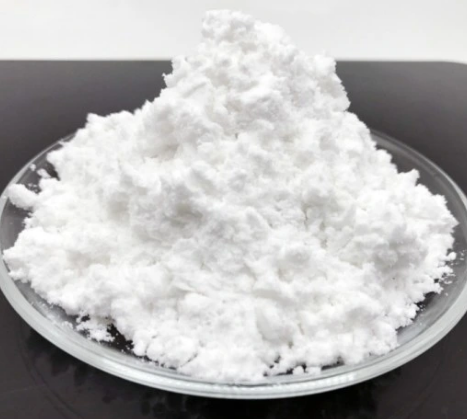
Nicotinic acid CAS:59-67-6 Manufacturer Price
Nicotinic acid, also known as niacin or vitamin B3, is an essential nutrient that plays a crucial role in various physiological processes. It is involved in the metabolism of carbohydrates, fats, and proteins, and it is essential for the production of energy in the body. Niacin also helps maintain healthy skin, nervous system function, and digestive system function. Additionally, it is known for its role in supporting cardiovascular health by helping to manage cholesterol levels. Niacin can be obtained from a variety of foods and is also available as a dietary supplement.
-
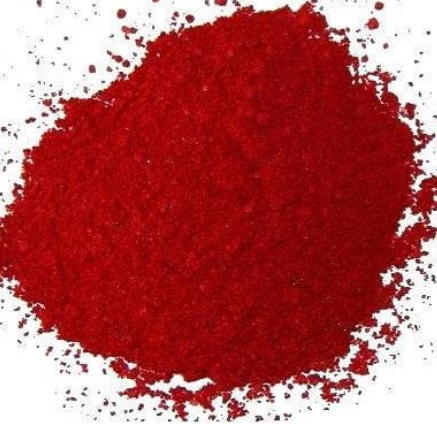
Allura red CAS:25956-17-6 Manufacturer Price
Allura red, also known as Red 40, is a synthetic red azo dye most commonly used as a food coloring. It is often added to a variety of food and beverage products, including candy, desserts, snacks, and beverages to impart a vibrant red color.
-
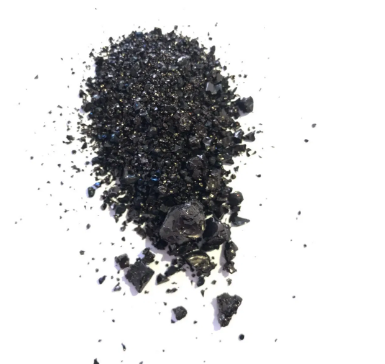
Nigrosine (C.I. 50420) (Acid Black 2) CAS:8005-03-6
Nigrosine, also known as CI 50420 or Acid Black 2, is a synthetic black dye. It is commonly used in the textile industry to dye fibers, fabrics, and leather. Nigrosine dyes are also utilized in laboratory applications as a staining agent for biological specimens and in histology for tissue staining. These dyes are known for their deep black color and are widely used for various coloring purposes.
-
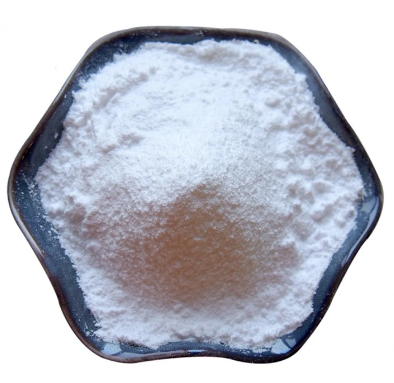
Spiramycin CAS:8025-81-8 Manufacturer Price
Spiramycin is an antibiotic medication belonging to the macrolide group. It is primarily used to treat infections caused by certain types of bacteria, particularly those affecting the respiratory and genitourinary systems. Spiramycin works by inhibiting the growth and spread of bacteria, thereby helping to eliminate the infection.