-
Nisin CAS:1414-45-5 Manufacturer Supplier
As a ribosomally synthesized peptide, Nisin has broad-spectrum antibacterial activity that is produced by the Lactococcus lactis. In the food industry, Nisin is obtained from the cultivating of Lactococcus lactis on natural substrates, such as milk or dextrose. It serves as a natural, antibacterial, and toxicologically safe food preservative which is protect against many bacteria that are food-spoilage pathogens. As a food additive, Nisin is popularly used in food production, such as milk, meats, fast food, beverages, health care products and medicines, etc. It is effective to decrease sterilization time, lower temperature during food sterilization, improve food quality, lessen damage to nutrition, and extend shelf life by suppressing Gram-positive spoilage and pathogenic bacteria. Besides, it has been studied as a possible treatment for infections of Clostridium difficile combined with miconazole.
-
Tricalcium Citrate (TCC) CAS:5785-44-4 Manufacturer Supplier
Calcium citrate is the calcium salt of citric acid. It is commonly used as a food additive (E333), usually as a preservative, but sometimes for flavor. In this sense, it is similar to sodium citrate. Calcium citrate is also used as a water softener because the citrate ions can chelate unwanted metal ions. Calcium citrate is also found in some dietary calcium supplements (e.g. Citracal).
-
Magnesium L-Aspartate CAS:2068-80-6 Manufacturer Supplier
Magnesium L-aspartate is a novel feed additive, which can obviously improve the meat quality of livestock and poultry, and can also be used in food additives, medicine and health products.
-
Zinc Citrate CAS:546-46-3 Manufacturer Supplier
Zinc Citrate is an essential trace mineral and a factor in the maintenance of good health as it supports and protects the immune system and helps the body fight against diseases. Zinc is an important antioxidant nutrient. It is necessary for protein synthesis, wound healing, for blood stability, normal tissue function, and aids in the digestion and metabolism of phosphorus. It also governs the contractility of muscles and maintains the body’s alkaline balance. Zinc Citrate can be used as a dietary supplement and as a nutrient. This product is known to be used in oral care products.
-
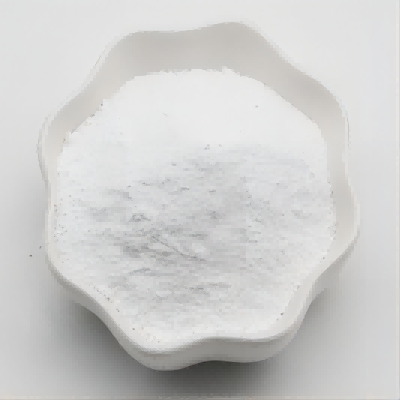
Sodium Benzoate CAS:532-32-1 Manufacturer Supplier
Sodium benzoate, also known as benzoic acid sodium, is commonly used as food preservatives in food industry, odorless or with slight smell of benzoin, and tastes sweet astringency. Stable in air, can absorb moisture in open air. It’s naturally found in blueberry, apple, plum, cranberry, prunes, cinnamon and cloves, with weaker antiseptic performance than benzoic acid.
-
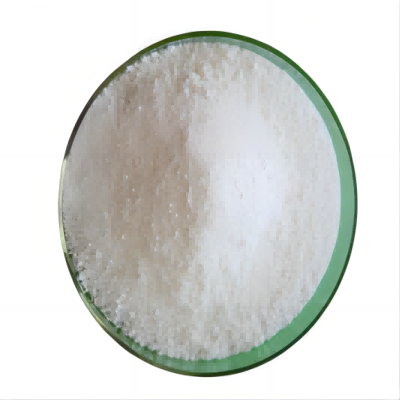
Potassium Pyruvate CAS:4151-33-1 Manufacturer Supplier
Potassium pyruvate is used to determine the substrate of lactate and dehydrogenase; It is also a good fitness and weight loss dietary supplement; Widely used in cosmetics. As a raw material for medicine and a food additive.
-
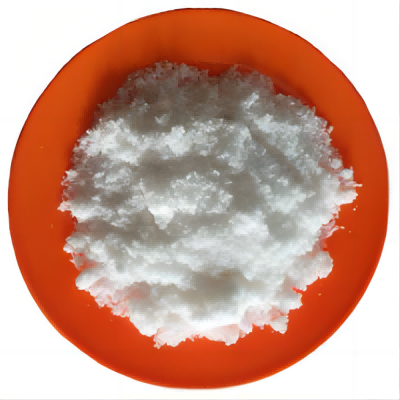
Zinc Sulfate CAS:7733-02-0 Manufacturer Supplier
Zinc sulphate is also obtained as a hexahydrate, ZnSO4.6H2O, and as a heptahydrate ZnSO4.7H2O. All forms are soluble in water. All are noncombustible. The primary hazard is the threat posed to the environment. Immediate steps should be taken to limit its spread to the environment. Zinc sulphate is used in the production of rayon, as a feed supplement, used to obtaine lectrolyte zinc, in printing textiles and to make lithopone, to impregnate wood and hides,as an additive to spinning baths for production of synthetic silks, in electroplating, and in animal feeds.
-
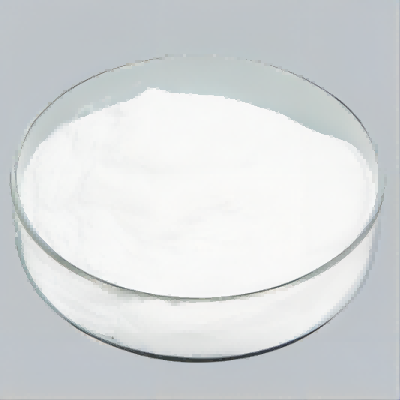
Maltose CAS:69-79-4 Manufacturer Supplier
Maltose is a disaccharide composed of two glucose units. Maltose is an important intermediate in the enzyme hydrolysis of starch. It is further hydrolyzed to glucose.Maltose also is formed by yeast during breadmaking.maltose is considered as a food by the FDA and is therefore not subject to food additive and GRAS regulations.
-
Ethylparaben CAS:120-47-8 Manufacturer Supplier
Ethylparaben is an ethyl ester resulting from the formal condensation of the carboxy group of 4-hydroxybenzoic acid with ethanol, It has a role as an antimicrobial food preservative, an antifungal agent, a plant metabolite and a phytoestrogen. It is a paraben and an ethyl ester.
-
Sodium Pyruvate CAS:113-24-6 Manufacturer Supplier
Sodium pyruvate is the sodium salt of pyruvate. It is frequently supplemented to the cell culture medium to act as a source of energy since it is a key intermediate during the production of the high-energy ATP molecules inside cells. For example, it can be used as a carbon source for bacteria. It may also protect cell against hydrogen peroxide, an oxidant to scavenger oxygen radicals. It is an important metabolic intermediate in many essential metabolic pathways such as carbohydrate metabolism. For example, it is converted into acetyl coenzyme A and enters into the TCA cycle (Kreb’s cycle) in organisms. It is also involved in the amino acid metabolism in organisms.
-
Sodium Cyclamate CAS:139-05-9 Manufacturer Supplier
Sodium cyclamate is a non-nutritive synthetic sweetener. Its sweetness is 30 times that of sucrose and has no bitter taste. It can be used in refreshing beverages, fruit juices, ice creams, pastries and preserves.It can also be used for home seasoning, cooking, pickles, cosmetics, syrup, icing, sweets, toothpaste, mouthwash, lipstick, etc. Diabetics and obese people can use it to replace sugar.
-
Phosphoric acid CAS:7664-38-2 Manufacturer Supplier
Phosphoric Acid is an acidulant that is an inorganic acid produced by burning phosphorus in an excess of air, producing phosphorus pentoxide which is dissolved in water to form orthophosphoric acid of varying concentrations. it is a strong acid which is soluble in water. the acid salts are termed phosphates. it is used as a flavoring acid in cola and root beer beverages to provide desirable acidity and sourness. it is used as a synergistic antioxidant in vegetable shorten- ings. in yeast manufacture, it is used to maintain the acidic ph and provide a source for phosphorus. it also functions as an acidulant in cheese. it is also termed orthophosphoric acid.