-
Geneticin disulfate CAS:108321-42-2 Manufacturer Price
Geneticin disulfate, also known as G418, is an antibiotic commonly used in molecular biology and cell culture to select cells that have been successfully transfected with genes of interest. It belongs to the class of aminoglycoside antibiotics and is derived from the natural antibiotic geneticin.
Geneticin disulfate works by binding to the bacterial ribosome and interfering with protein synthesis. This property makes it useful for selecting genetically modified cells that have been engineered to express antibiotic resistance genes. Only cells that have taken up and successfully integrated the desired genes will be able to survive in the presence of Geneticin disulfate.
-
Gentamycin Sulfate CAS:1405-41-0 Manufacturer Price
Gentamicin Sulfate is an antibiotic that is used to treat bacterial infections. It works by stopping the growth and multiplication of bacteria, ultimately leading to their elimination. It is effective against a wide range of gram-negative bacteria and is commonly used for serious infections in various parts of the body. Gentamicin Sulfate can be administered intravenously, intramuscularly, or topically, depending on the specific infection and its severity.
-
Gibberellic acid CAS:77-06-5 Manufacturer Price
Gibberellic acid is a plant hormone that plays a significant role in regulating plant growth and development. It is naturally synthesized by plants and can also be produced synthetically for various purposes in agriculture and horticulture.
Gibberellic acid promotes stem elongation, cell division, and seed germination. It can help plants grow taller, produce larger leaves, and increase internode length. This hormone is commonly used to induce flowering in plants, especially for crops that require longer photoperiods or specific environmental conditions to initiate the flowering process.
In agriculture, gibberellic acid has numerous applications. It can be used to increase fruit size and yield, enhance the development of seedless fruits, promote uniform ripening, and improve the quality of certain crops. Additionally, it can be utilized to break seed dormancy and stimulate seed germination for difficult-to-germinate seeds.
-
Glucose-6-Phosphate Dehydrogenase CAS:9001-40-5
Glucose-6-phosphate dehydrogenase (G6PD) is an enzyme involved in the glucose metabolism pathway. It plays a crucial role in the production of NADPH, a molecule essential for various cellular processes, including antioxidant defense and biosynthesis of fatty acids and cholesterol.
G6PD catalyzes the conversion of glucose-6-phosphate to 6-phosphogluconolactone, while simultaneously reducing NADP+ to NADPH. This reaction is important for maintaining a sufficient supply of NADPH in cells, which is required for cellular redox balance and protection against oxidative damage.
-
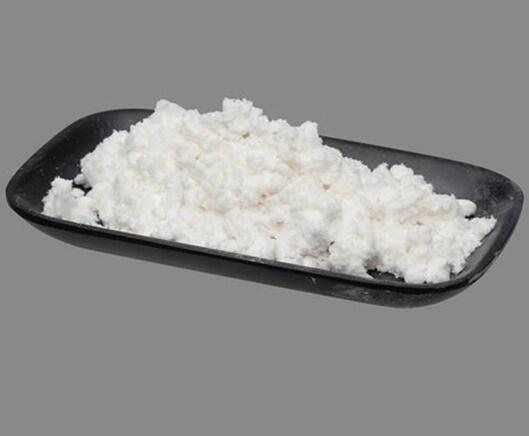
Ampicillin sodium salt CAS:69-52-3 Manufacturer Price
Ampicillin sodium is a broad-spectrum antibiotic that belongs to the penicillin class of drugs. It is effective against various bacteria, including both Gram-positive and Gram-negative species. Ampicillin sodium works by inhibiting the synthesis of bacterial cell walls, leading to the destruction of the bacteria.
This antibiotic is commonly used for the treatment of various infections, such as respiratory tract infections, urinary tract infections, skin and soft tissue infections, gastrointestinal infections, and certain types of meningitis.
-
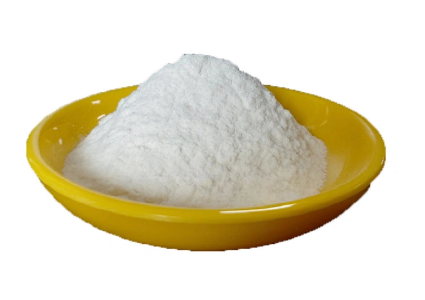
Coenzyme A free acid CAS:85-61-0 Manufacturer Price
Coenzyme A (CoA) is a molecule that plays a crucial role in several metabolic pathways in the body. Coenzyme A free acid refers to CoA in its unbound or unconjugated form. It consists of three main components: adenine, a ribose sugar, and pantothenic acid (vitamin B5). Coenzyme A acts as a carrier molecule, shuttling acetyl groups (two carbon units) between different enzymes and reactions involved in energy metabolism, fatty acid synthesis, and the breakdown of fats, carbohydrates, and amino acids. Coenzyme A free acid is essential for the proper functioning of numerous cellular processes and is involved in maintaining cellular energy homeostasis.
-

Streptavidin from Streptomyces avidinii CAS:9013-20-1
Streptavidin is a protein derived from the bacterium Streptomyces avidinii. It shares similar characteristics to avidin, another biotin-binding protein, but with some differences in binding affinity and stability. Streptavidin is widely used in biotechnology and research, primarily due to its strong and specific binding to biotin. This binding affinity is utilized in various applications, including protein purification, detection assays, targeted drug delivery, molecular biology techniques, imaging, and diagnostics. Streptavidin’s versatility and reliability make it an essential tool in numerous scientific and medical fields.
-
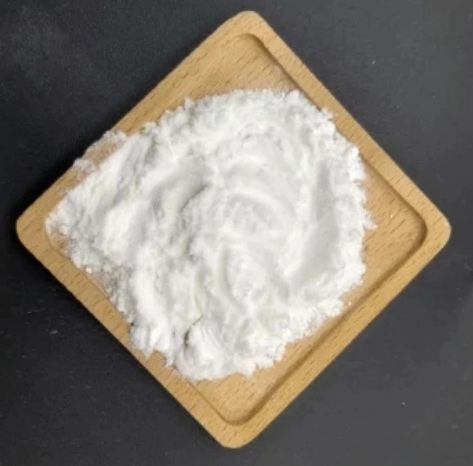
L-Arginine CAS:74-79-3 Manufacturer Price
L-Arginine is an amino acid that the body uses to produce nitric oxide, which helps relax and widen blood vessels. This can improve blood flow, enhance exercise performance, support immune function, potentially treat erectile dysfunction, regulate blood pressure, and provide antioxidant benefits.
-
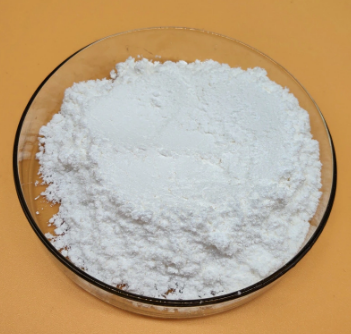
D-Alanine CAS:338-69-2 Manufacturer Price
D-Alanine, also known as D-alanine or D-Ala, is a non-essential amino acid that plays a crucial role in the formation and function of certain proteins and enzymes in the body. It is one of the building blocks of the bacterial cell wall and is involved in the synthesis of the neurotransmitter GABA (gamma-aminobutyric acid).
D-Alanine is found naturally in some foods, such as meat, poultry, and dairy products, and can also be produced by the body from other amino acids. Supplemental forms of D-Alanine are available and are sometimes used for specific purposes.
-
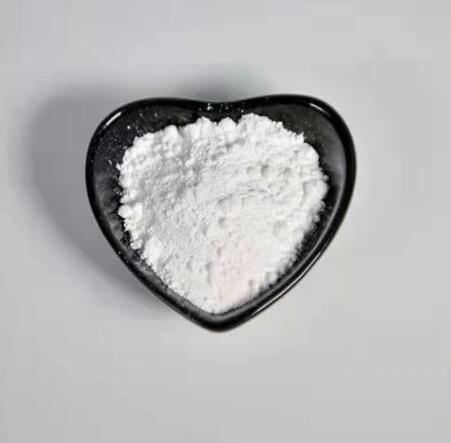
Tobramycin Base CAS:32986-56-4
Tobramycin Base is a broad-spectrum antibiotic that belongs to the family of aminoglycosides. It is commonly used in the treatment of bacterial infections, particularly those caused by gram-negative bacteria. Tobramycin Base works by inhibiting protein synthesis in bacteria, which ultimately leads to their death.
-
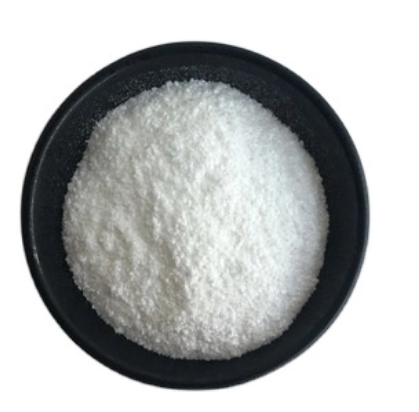
L-Cysteine hydrochloride anhydrous CAS:52-89-1
L-Cysteine hydrochloride anhydrous is a salt form of the amino acid L-cysteine. It is a white, crystalline powder that is soluble in water. L-Cysteine is a non-essential amino acid, meaning that it can be synthesized by the body, but it can also be obtained through dietary sources. L-Cysteine plays a vital role in various biological processes, serving as a precursor for the antioxidant glutathione and aiding in the synthesis of proteins. L-Cysteine hydrochloride anhydrous is commonly used as a dietary supplement and is also used in the food and pharmaceutical industries as a flavor enhancer, reducing agent, and as a precursor for the production of various chemicals.
-
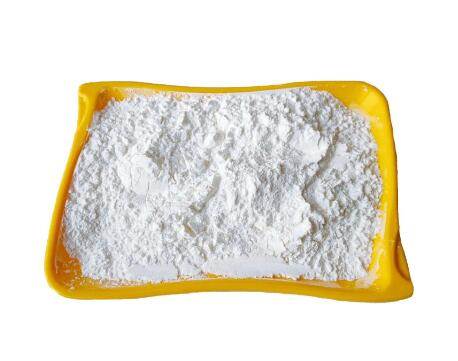
Monensin sodium salt CAS:22373-78-0
Monensin sodium salt is a chemical compound used primarily as a feed additive in livestock production. It improves feed efficiency, aids in the prevention and control of coccidiosis, and exhibits antibacterial activity against certain gram-positive bacteria.