-
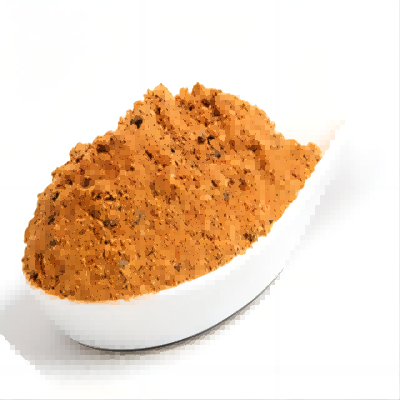
Vitamin B9 (Folic Acid) CAS:59-30-3 Manufacturer Supplier
Folic acid (folate) is a kind of B-vitamin which is mainly present in the liver and kidney. It has various kinds of pharmacological and physiological effects. It is involved in amino acid metabolism, purine and pyrimidine synthesis, and is also essential for hematopoiesis and red blood cell generation. In women pregnancy, folate can effectively prevent neural tube defects in the baby. It plays important role in fertility through contributing to spermatogenesis. It can also reduce the incidence of heart disease, stroke and cancer.
-
Calcium Malate CAS:17482-42-7 Manufacturer Supplier
Calcium malate can not only be used in food supplements and nutritional supplements. Calcium plays an important role in the formation of strong bones and teeth and the regeneration of bone tissue after fracture, helping to maintain regular heart rhythm and nerve pulsation.
-
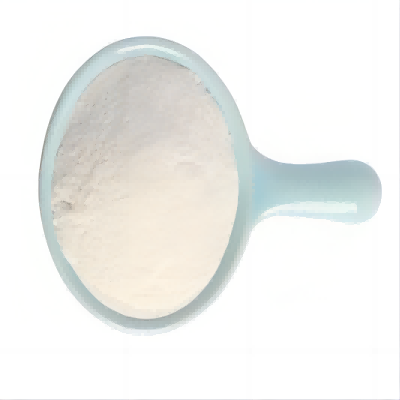
Calcium Carbonate CAS:471-34-1 Manufacturer Supplier
Calcium carbonate occurs in nature as limestone in various forms, such as marble, chalk, and coral. It is probably the most widely-used raw material in the chemical industry. It has numerous applications, primarily to produce cement, mortars, plasters, refractories, and glass as building materials. It also is used to produce quicklime, hydrated lime and a number of calcium compounds. It is produced either as powdered or precipitated calcium carbonate. The latter consists of finer particles of greater purity and more uniform size. They also have many important commercial applications. Various grades of precipitated calcium carbonate are used in several products, such as textiles, papers, paints, plastics, adhesives, sealants, and cosmetics.
-
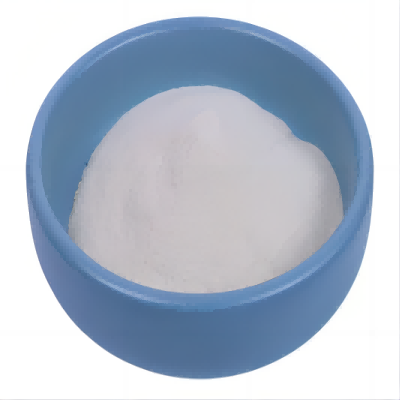
Vitamin E Acetate CAS:7695-91-2 Manufacturer Supplier
Vitamin E Acetate has the functions of anti-aging, improving immunity, and assisting in the treatment of cardio cerebral Vascular disease. It has been widely used in the pharmaceutical industry, health products industry, food industry, and cosmetics industry.Tocopherol and tocopheryl acetate are used mainly as antioxidants. Tocopheryl acetate, an ester of tocopherol (vitamin E), can induce allergic contact dermatitis.DL-α-Tocopherol acetate is a stable ester form of vitamin E, widely used in the formulation of cosmetics for the prevention or correction of skin damage.
-
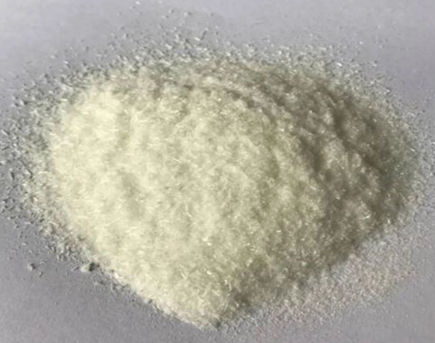
5-Nitro-1,10-phenanthroline CAS:4199-88-6
5-Nitro-1,10-phenanthroline is a chemical compound with the molecular formula C12H6N4O2. It belongs to the family of phenanthroline derivatives and contains a nitro group (-NO2) attached to the 5-position of the phenanthroline ring system.
This compound is known for its ability to form stable complexes with metal ions, particularly transition metal ions. The nitro group enhances its complexation properties and makes it useful in various applications such as analytical chemistry, catalysis, and coordination chemistry.
5-Nitro-1,10-phenanthroline has been utilized as a chelator, meaning it forms stable bonds with metal ions by donating lone pairs of electrons. This allows for precise control and manipulation of metal-ion coordination environments.
-
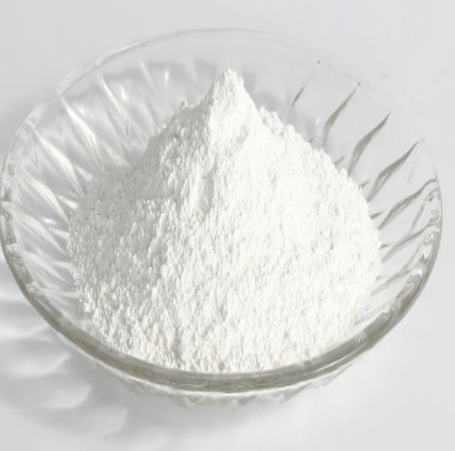
Streptozocin CAS:18883-66-4 Manufacturer Price
Streptozocin is a chemotherapy drug mainly used in the treatment of pancreatic islet cell cancer, a type of neuroendocrine tumor that arises from the cells of the pancreas. It works by damaging the DNA in cancer cells, inhibiting their ability to divide and replicate. Streptozocin is usually administered intravenously and may be given alone or in combination with other chemotherapy drugs.
-
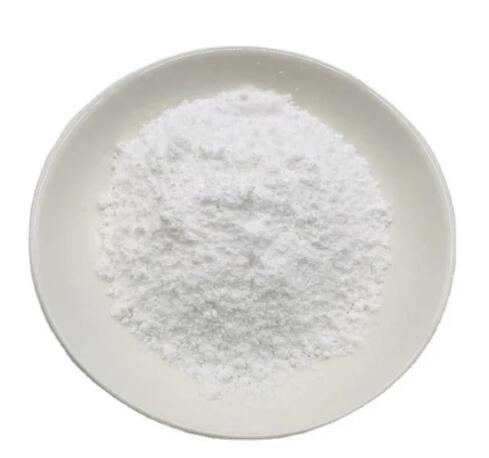
Puromycin dihydrochloride CAS:58-58-2 Manufacturer Price
Puromycin dihydrochloride is a potent antibiotic that is commonly used in molecular biology and cell biology research. It inhibits protein synthesis by causing premature termination of protein synthesis during translation. Puromycin is effective against both prokaryotic and eukaryotic cells and is particularly useful for selection and isolation of cells that have been genetically modified or transfected with a puromycin resistance gene. It is typically used in laboratory settings to study gene expression, protein synthesis, and to generate stable cell lines with specific genetic modifications.
-
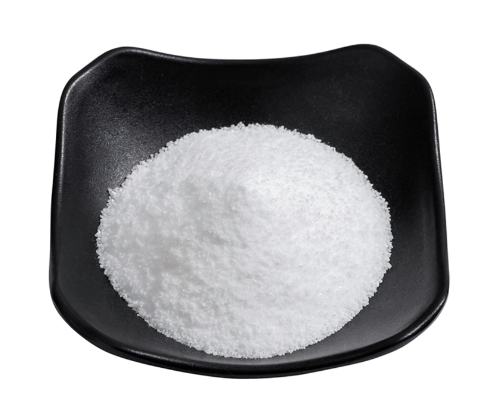
Acetyl coenzyme A sodium salt CAS:102029-73-2
Acetyl coenzyme A (acetyl-CoA) sodium salt is a synthetic derivative of acetyl-CoA. It is typically used in laboratory research and biochemical studies.
The main application of acetyl-CoA sodium salt is in cellular metabolism studies, particularly in investigating the role of acetyl-CoA in various metabolic pathways. Acetyl-CoA serves as a precursor for the synthesis of fatty acids, cholesterol, and ketone bodies, as well as playing a critical role in energy production through the citric acid cycle (also known as the Krebs cycle).
Additionally, acetyl-CoA is involved in the acetylation of proteins, DNA, and histones, which can affect gene expression and chromatin remodeling. Therefore, acetyl-CoA sodium salt can be used in studies focusing on these epigenetic modifications and their impact on cell function.
-

Rapamycin from Streptomyces hygroscopicus CAS:53123-88-9
Rapamycin is a naturally occurring compound isolated from the bacterium Streptomyces hygroscopicus. It has a wide range of biological activities and is primarily known for its immunosuppressive and anti-cancer properties.
Originally discovered as an antifungal agent, rapamycin has since been found to possess potent immunosuppressive properties, making it valuable in organ transplantation to prevent rejection. It does this by inhibiting the activation and proliferation of T-cells, a key component of the immune response.
Additionally, rapamycin has shown promising results in the treatment of various cancers. It works by inhibiting a protein called mTOR (mammalian target of rapamycin), which plays a critical role in cell growth and division. By blocking mTOR, rapamycin helps to control the unregulated growth of cancer cells.
-
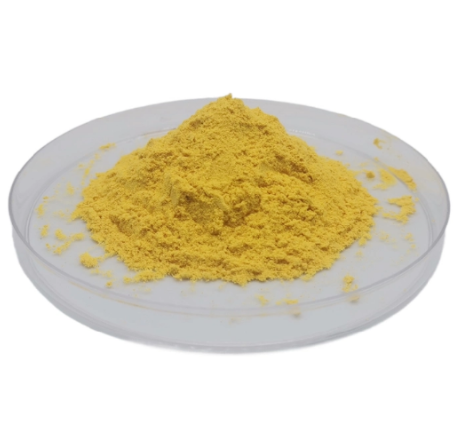
Tetracycline hydrochloride CAS:64-75-5
Tetracycline hydrochloride is a broad-spectrum antibiotic medication that is commonly used to treat various bacterial infections. It belongs to the tetracycline class of antibiotics, which work by inhibiting the growth and replication of bacteria.
Tetracycline hydrochloride is effective against a wide range of bacteria, including both Gram-positive and Gram-negative species. It works by binding to the bacterial ribosomes, preventing the synthesis of essential proteins that are necessary for bacterial growth and survival.
This antibiotic is primarily used to treat conditions such as respiratory tract infections, urinary tract infections, acne, gonorrhea, chlamydia, and certain types of skin infections. It is also sometimes used as a prophylactic treatment to prevent malaria.
-

Vancomycin hydrochloride CAS:1404-93-9
Vancomycin hydrochloride is an antibiotic medication that is used to treat serious bacterial infections. It is a glycopeptide antibiotic that works by interfering with the synthesis of the bacterial cell wall, resulting in the death of the bacteria.
Vancomycin hydrochloride is primarily effective against gram-positive bacteria, including methicillin-resistant Staphylococcus aureus (MRSA), coagulase-negative staphylococci, and streptococci. It is commonly used to treat infections such as bloodstream infections, skin and soft tissue infections, endocarditis, and bone infections.
-
Acetylcholinesterase CAS:9000-81-1
Anticholinesterases are a class of drugs or chemicals that inhibit the activity of the enzyme acetylcholinesterase. Acetylcholinesterase is responsible for breaking down the neurotransmitter acetylcholine in the body. By inhibiting this enzyme, anticholinesterases increase the levels of acetylcholine, leading to increased cholinergic activity in the central and peripheral nervous systems.
The main therapeutic use of anticholinesterases is in the treatment of neurological disorders such as Alzheimer’s disease and myasthenia gravis. In Alzheimer’s disease, these drugs aim to enhance cholinergic neurotransmission and potentially slow down cognitive decline. In myasthenia gravis, anticholinesterases help improve neuromuscular transmission and muscle strength.
Other uses of anticholinesterases include the diagnosis and treatment of anticholinergic poisoning, specifically from certain insecticides or nerve agents. These substances can cause excessive stimulation of the muscarinic and nicotinic receptors, leading to symptoms like muscle weakness, tremors, and respiratory distress. Anticholinesterases can reverse these effects by increasing acetylcholine levels and competition with the toxic substances.

