-
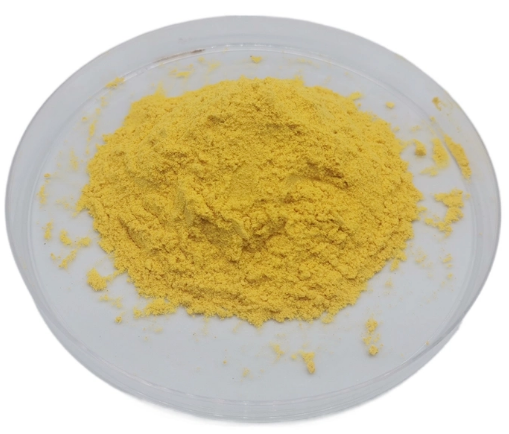
3,5-Dichlorophenyldiazonium tetrafluoroborate CAS:350-67-4
3,5-Dichlorophenyldiazonium tetrafluoroborate is a chemical compound that is commonly used in organic synthesis. It is a diazonium salt, which means it contains a diazonium group (N2+) attached to a phenyl ring that is substituted with chlorine atoms at the 3rd and 5th positions.
This compound is often employed in reactions that involve coupling with other aromatic compounds. It can undergo reactions such as electrophilic aromatic substitution, where it can transfer its diazonium group to another nucleophilic aromatic compound to form a new bond. This is particularly useful for the introduction of functional groups onto aromatic rings.
-
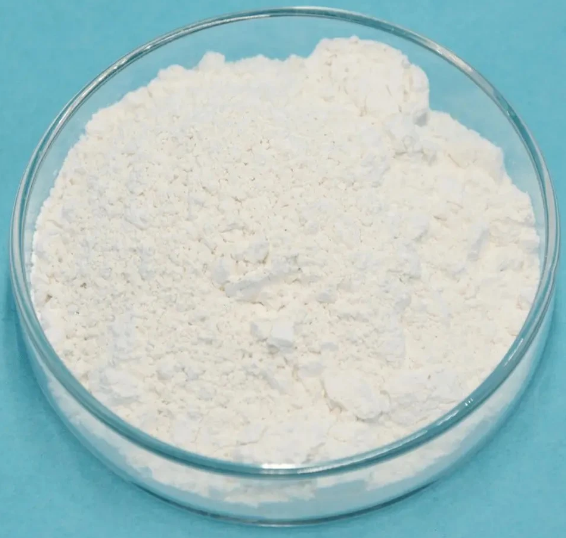
Acetylthiocholine iodide CAS:1866-15-5
Acetylthiocholine iodide is a chemical compound that is commonly used as a substrate in enzyme assays to measure the activity of the enzyme acetylcholinesterase (AChE). AChE is an enzyme that hydrolyzes the neurotransmitter acetylcholine, a critical step in terminating the signal transmission between nerve cells.
When acetylthiocholine iodide is acted upon by AChE, the acetyl group is removed, resulting in the formation of thiocholine and acetate ions. Thiocholine then reacts with a colorless reagent called DTNB (5,5′-dithiobis(2-nitrobenzoic acid)) to produce a yellow-colored compound called 5-thio-2-nitrobenzoate, which can be measured spectrophotometrically. The rate of color development is directly proportional to the activity of AChE in the sample.
-

AMPPD CAS:122341-56-4 Manufacturer Price
AMPPD, short for 3-(2′-spiroadamantane)-4-methoxy-4-(3″-phosphoryloxy)phenyl-1,2-dioxetane, is a chemiluminescent substrate commonly used in biological and immunoassay applications. It is widely used in molecular biology research, diagnostics, and life sciences.
AMPPD is specifically designed to be used in combination with alkaline phosphatase enzyme conjugates. When exposed to alkaline phosphatase, AMPPD undergoes a rapid and efficient enzymatic cleavage reaction, leading to the emission of light.
The emitted light from AMPPD is detected using sensitive imaging systems or luminometers, allowing for the quantification and visualization of target molecules or analytes. This chemiluminescence-based detection method offers high sensitivity, low background noise, and a broad dynamic range.
Due to its stability and long-lasting signal, AMPPD is well-suited for applications such as Western blotting, ELISA (enzyme-linked immunosorbent assay), DNA hybridization, and in situ hybridization. It enables researchers to detect and analyze proteins, nucleic acids, antibodies, and other biomolecules.
.
-

Heparin sodium CAS:9041-08-1
Heparin sodium is a medication that belongs to the class of anticoagulants or blood thinners. It is derived from the natural compound heparin, which is found in certain tissues in the body, particularly in the liver and lungs.
Heparin sodium is primarily used to prevent and treat blood clotting disorders, such as deep vein thrombosis (DVT), pulmonary embolism (PE), and arterial thromboembolism. It works by inhibiting the production and activity of clotting factors, thus preventing the formation and growth of blood clots.
-
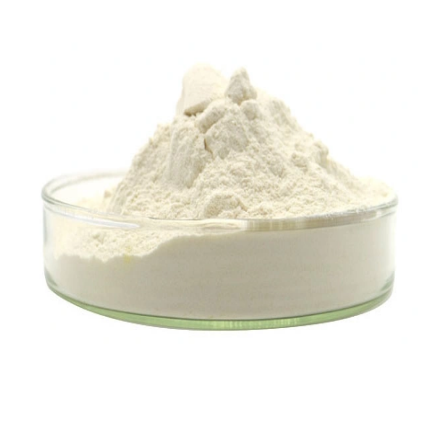
Nitro Blue Tetrazolium Chloride monohydrate CAS:298-96-4
NBT chloride monohydrate is a commonly used substrate for the detection of enzyme activities, particularly for the identification and visualization of dehydrogenase enzymes. These enzymes catalyze the reduction of NBT chloride, resulting in the formation of a deep blue formazan product.
The reduction reaction of NBT chloride by these enzymes is often used in histochemical and immunocytochemical staining techniques to visualize the location and activity of enzymes within biological samples. This compound can be used to study the localized activity of various enzymes, including nitroreductases, oxidoreductases, and other dehydrogenase enzymes.
NBT chloride monohydrate is also used in a range of research applications, such as in cell culture studies, to investigate cellular metabolism and enzyme functions. It is often employed as a screening reagent to assess the redox status and metabolic activity of cells.
-

5-Bromo-4-chloro-3-indolyl-N-acetyl-beta-D-glucosaminide CAS:4264-82-8
5-Bromo-4-chloro-3-indolyl-N-acetyl-beta-D-glucosaminide is a compound used in various biochemical studies, particularly for the detection and visualization of enzyme activity. It is a substrate that can be hydrolyzed by specific enzymes, resulting in the release of a colored or fluorescent product.
This compound is commonly used in assays to detect the presence and activity of enzymes such as beta-galactosidase and beta-glucuronidase. These enzymes cleave the acetyl and glucosaminide groups from the substrate, leading to the formation of a blue or green chromophore.
The unique structure of 5-Bromo-4-chloro-3-indolyl-N-acetyl-beta-D-glucosaminide allows for easy detection and quantification of enzyme activity. Its use in various experimental techniques, including histochemistry, immunohistochemistry, and cell-based assays, has contributed to a better understanding of enzyme functions.
-
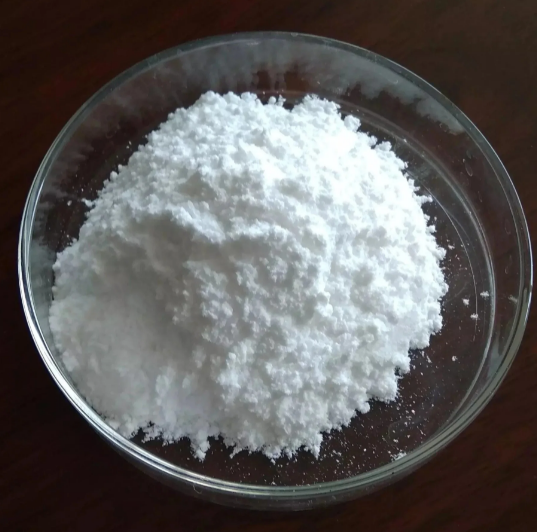
3,3′,5,5′-Tetramethylbenzidine CAS:207738-08-7
3,3′,5,5′-Tetramethylbenzidine, also known as TMB, is a chemical compound commonly used as a chromogenic substrate in enzyme-linked immunosorbent assays (ELISA) and other biochemical assays. It is often used to detect and quantify the presence of enzymes such as horseradish peroxidase (HRP) in various biological samples. TMB undergoes a color change from colorless to blue in the presence of these enzymes. Subsequently, the reaction can be stopped by adding an acid which converts the blue color to a final yellow color. The intensity of the yellow color is proportional to the amount of enzyme present, allowing for quantification.
.
-

2-Chloro-4-nitrophenyl-α-D-maltotriosi de CAS:118291-90-0
2-chloro-4-nitrophenylmaltotrioside is a compound that is commonly used as a substrate in enzymatic assays to study the activity of certain enzymes called glycosidases.
-
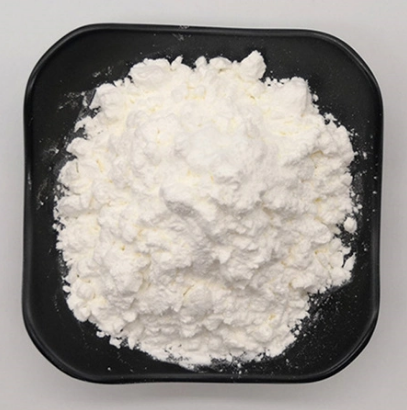
Carbenicillin Disodium Salt CAS:4800-94-6
Carbenicillin Disodium Salt is a semi-synthetic antibiotic derived from penicillin. It belongs to the family of penicillinase-resistant penicillins and is used primarily to treat infections caused by susceptible gram-negative bacteria. It works by inhibiting bacterial cell wall synthesis, leading to the destruction of the bacterial cell. Carbenicillin Disodium Salt is commonly used in clinical and laboratory settings for its broad spectrum of activity against various bacterial strains.
-
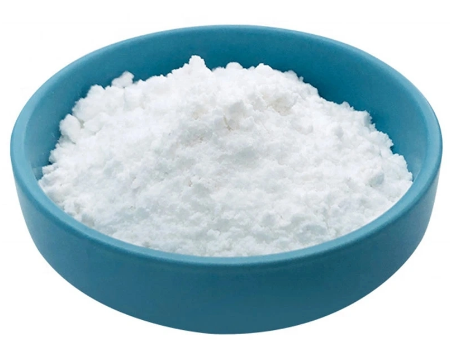
MBTH CAS:38894-11-0 Manufacturer Price
3-Methyl-2-benzothiazolinone hydrazone hydrochloride monohydrate is a chemical compound that consists of a hydrazone derivative of 3-Methyl-2-benzothiazolinone, which is further combined with hydrochloride and water molecules. It is a white crystalline powder that is soluble in water.
This compound has been primarily used in various laboratory applications, particularly in analytical chemistry. It is known for its ability to react with aldehydes and ketones, forming highly colored products that can be easily detected and quantified. This feature makes it useful in assays and tests that involve the determination of aldehyde and ketone concentrations.
-

1-(3-Dimethylaminopropyl)-3-ethylcarbodiimide hydrochloride CAS:25952-53-8
1-(3-Dimethylaminopropyl)-3-ethylcarbodiimide hydrochloride, also known as EDC hydrochloride or EDAC, is a chemical compound commonly used in biochemistry and molecular biology as a coupling agent for the activation of carboxyl groups. It is a white crystalline powder that is highly soluble in water.
EDC hydrochloride is primarily used in the synthesis of peptides and proteins by facilitating the formation of amide bonds between carboxyl and amino groups. It acts by activating carboxyl groups, which react with amino groups in the presence of a coupling agent such as N-hydroxysuccinimide (NHS). This reaction results in the formation of stable amide bonds.
EDC hydrochloride is also used in DNA and RNA research for modifying and cross-linking nucleic acids, as well as in the immobilization of enzymes and other biomolecules onto surfaces. It is a versatile reagent that can enhance the efficiency and specificity of these reactions.
-
Sodium Salt salt CAS:139-41-3 Manufacturer Price
N,N-Bis(2-hydroxyethyl)glycine sodium salt is a chemical compound used as a buffering agent in various biochemical and biophysical applications. It helps maintain a stable pH level in experimental conditions, making it useful in enzyme studies, protein research, cell culture, and Western blotting techniques.