-
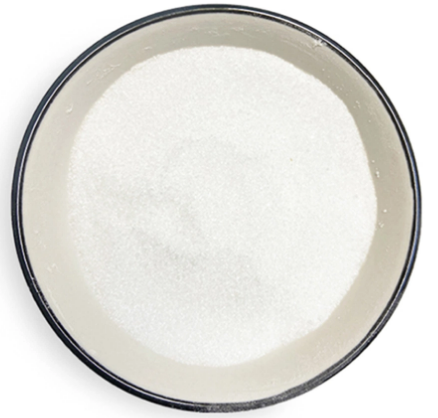
2′-(4-METHYLUMBELLIFERYL)-ALPHA-D-N-ACETYLNEURAMINIC ACID SODIUM SALT CAS:76204-02-9
2′-(4-Methylumbelliferyl)-alpha-D-N-acetylneuraminic acid sodium salt is a chemical compound commonly used in diagnostic and research assays. It is a fluorescently labeled derivative of sialic acid, a type of carbohydrate molecule found on the surface of cells.
This compound is used as a substrate for enzymes called neuraminidases, which act to remove sialic acid residues from glycoproteins and glycolipids. When these enzymes act on the 2′-(4-Methylumbelliferyl)-alpha-D-N-acetylneuraminic acid sodium salt, it releases a fluorescent product known as 4-methylumbelliferone.
The fluorescence generated by the compound can be measured and quantified, providing information on the activity of neuraminidase enzymes. This is particularly useful in the study of various diseases and conditions associated with aberrant sialic acid metabolism.
The compound is also utilized for diagnostic purposes, such as in the detection of viral infections that involve neuraminidase activity. In these assays, the compound is used to identify the presence of specific viral strains or assess the effectiveness of neuraminidase inhibitors in antiviral treatments.
-
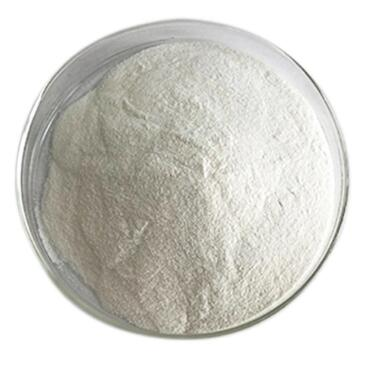
N-(1-Naphthyl)-3-aminopropanesulfonic Acid Sodium Salt CAS:104484-71-1
pH Indicator: The compound exhibits pH-dependent color changes, making it a useful pH indicator in various assays and experiments. It can be employed to monitor pH changes in biological samples, chemical reactions, and other systems.
Fluorescent Probe: N-(1-Naphthyl)-3-aminopropanesulfonic acid sodium salt possesses inherent fluorescence properties, making it suitable for fluorescence-based studies and labeling applications. It can be incorporated into analytical techniques for visualizing and tracking biological molecules or cellular structures.
Enzyme Assays: This compound is often used as a substrate or inhibitor in enzyme assays, especially those involving sulfonate groups or enzyme activity influenced by pH changes. It can help researchers study enzyme kinetics, inhibition mechanisms, and enzyme-substrate interactions.
Buffer Component: N-(1-Naphthyl)-3-aminopropanesulfonic acid sodium salt can be employed as a component of specific buffer systems, particularly those requiring a sulfonic acid group or certain pH ranges. It contributes to maintaining optimal pH conditions in experimental setups.
Chemical Synthesis: Due to its unique chemical structure, N-(1-Naphthyl)-3-aminopropanesulfonic acid sodium salt can serve as a building block or starting material for synthesizing various organic molecules or pharmaceutical compounds.
-
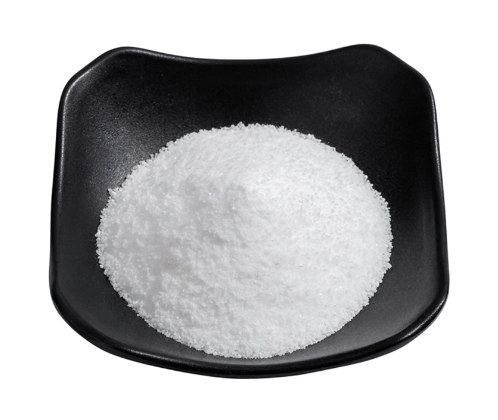
N,N-Bis(2-hydroxyethyl)-2-aminoethanesulfonic acid sodium salt CAS:66992-27-6
N,N-Bis(2-hydroxyethyl)-2-aminoethanesulfonic acid sodium salt, also known as HEPES sodium salt, is a chemical compound commonly used as a pH buffering agent in biological and chemical laboratories. It helps maintain a stable pH range, making it ideal for applications such as cell culture, enzyme assays, protein studies, electrophoresis, and pharmaceutical formulations. HEPES sodium salt ensures optimal conditions for biological processes and enhances the accuracy and reliability of experimental results.
-

S-Butyrylthiocholine iodide CAS:1866-16-6
S-Butyrylthiocholine iodide is a chemical compound commonly used in biochemical and enzymatic assays. It is a substrate for the enzyme butyrylcholinesterase (BChE) and is used to measure its activity.
When S-Butyrylthiocholine iodide is hydrolyzed by BChE, it produces thiocholine and butyric acid as products. The release of thiocholine can be measured using a spectrophotometric or fluorometric assay, allowing quantification of BChE activity.
S-Butyrylthiocholine iodide is often used in clinical and research settings to evaluate the activity of BChE in samples such as blood plasma or tissues. It can be used to assess the enzymatic function of BChE and its potential role in various biological processes, as well as in the diagnosis and monitoring of certain medical conditions.
-

1Luminol monosodium salt CAS:20666-12-0
3-Aminophthalhydrazide monosodium salt is a chemical compound that is often used as a reagent in various biochemical and analytical applications. It is a derivative of phthalhydrazide, containing an amino group (NH2) instead of one of the hydrogen atoms on the phthalhydrazide molecule.
This compound is commonly used as a reducing agent or a catalyst in organic synthesis reactions. It can participate in a variety of reactions, including the reduction of carbonyl compounds to their corresponding alcohols, and the conversion of nitro compounds to their corresponding amines.
In addition to its role in organic synthesis, 3-Aminophthalhydrazide monosodium salt also has applications in analytical chemistry. For example, it has been used as a reagent for the determination and quantification of various analytes, such as aldehydes and ketones, through colorimetric or spectrophotometric methods.
Furthermore, this compound can be employed as a probe or indicator in biochemical and molecular biology experiments. It can react selectively with certain functional groups or biomolecules, enabling the detection or labeling of specific targets in biological samples.
-
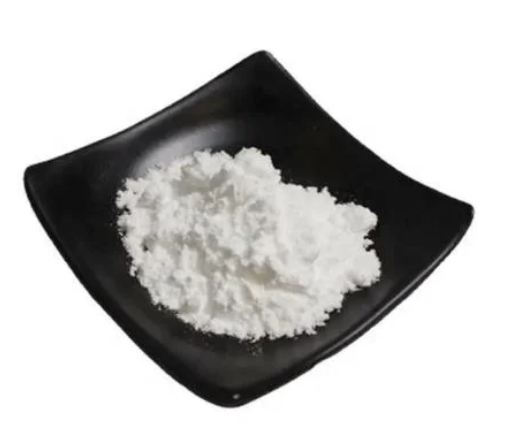
3-(1-pyridinio)-1-propanesulfonate CAS:15471-17-7
3-(1-pyridinio)-1-propanesulfonate (also known as TPPS or TPPS3) is a sulfonated derivative of pyridine. It is a highly water-soluble compound that is commonly used as a fluorescent probe and photosensitizer in various applications, particularly in the field of photodynamic therapy (PDT).
-

TAPSO CAS:68399-81-5 Manufacturer Price
TAPSO (3-[N-tris(hydroxymethyl)methyl]amino]-2-hydroxypropanesulfonic acid) is a zwitterionic buffer commonly used in biological and biochemical research. It is an efficient buffering agent with a pKa close to physiological pH, making it suitable for maintaining a stable pH in biological experiments. TAPSO is often utilized in protein purification, enzyme assays, cell culture, and electrophoresis applications. Its high water solubility and low interference with biological processes make it a popular choice in the scientific community. TAPSO is known for its minimal effect on enzyme activity and is often used as an alternative to other buffering agents like Tris or phosphate buffers.
-
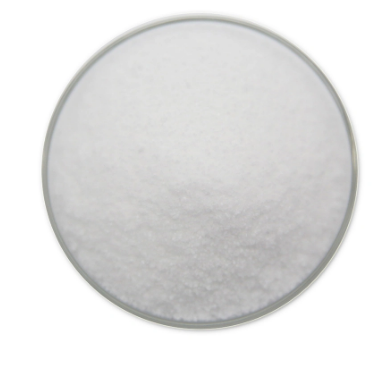
N-Acetyl-L-cysteine CAS:616-91-1
N-Acetyl-L-cysteine (NAC) is a modified form of the amino acid cysteine. It provides a source of cysteine and can be readily converted into the tripeptide glutathione, a powerful antioxidant in the body. NAC is known for its antioxidant and mucolytic properties, making it useful in various health applications.
As an antioxidant, NAC helps protect cells from damage caused by free radicals, reactive oxygen species, and toxins. It also supports glutathione synthesis, which plays a crucial role in the body’s detoxification processes and maintaining a healthy immune system.
NAC has been studied for its potential benefits in respiratory health, particularly for individuals with conditions such as chronic bronchitis, COPD, and cystic fibrosis. It is commonly used as an expectorant to help thin and loosen mucus, making it easier to clear the airways.
Furthermore, NAC has shown promise in supporting liver health by assisting in the removal of toxic substances, such as acetaminophen, a common pain reliever. It may also have protective effects against liver damage caused by alcohol consumption.
In addition to its antioxidant and respiratory support properties, NAC has been explored for its potential benefits in mental health. Some research suggests that it may have a positive impact on mood disorders, such as depression and obsessive-compulsive disorder (OCD).
-

Heparin lithium salt CAS:9045-22-1
Heparin lithium is a chemical substance with a white to almost white powder appearance.
-
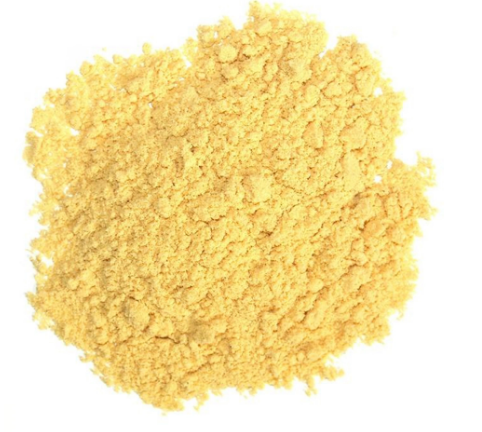
NBD chloride CAS:10199-89-0
NBD chloride, also known as 7-chloro-4-nitrobenzo-2-oxa-1,3-diazole, is a fluorescent dye commonly used in chemical and biological applications. It belongs to the class of nitrobenzoxadiazole (NBD) derivatives, which exhibit strong fluorescence properties.
NBD chloride is characterized by its ability to form covalent bonds with nucleophiles, such as primary amines, thiols, and hydroxyl groups. This property allows it to be used as a labeling agent for biomolecules, including proteins, peptides, nucleic acids, and other small molecules.
When NBD chloride reacts with a nucleophile, it undergoes a substitution reaction, resulting in the formation of a stable NBD-labeled product. This labeled product exhibits intense fluorescence emission, making it useful for various detection and imaging techniques.
The fluorescence emission of NBD-labeled molecules can be excited with ultraviolet (UV) light at around 470 nm, and the emitted light is typically detected at around 530 nm. This emission wavelength falls within the green region of the visible spectrum, where detection interference from biological samples is relatively low.
-
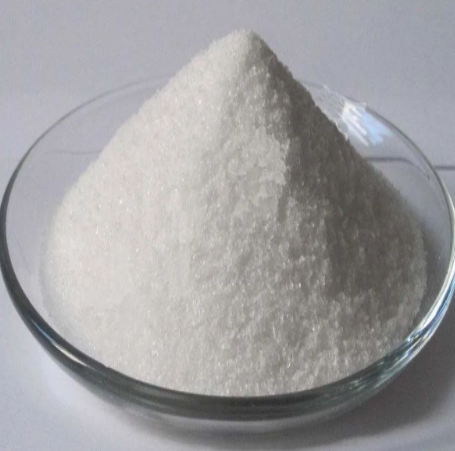
3′,5′-Dimethoxy-4′-hydroxyacetophenone CAS:2478-38-8
3′,5′-Dimethoxy-4′-hydroxyacetophenone is a chemical compound with the molecular formula C10H12O4. It belongs to the class of organic compounds known as phenols and is derived from acetophenone. It is characterized by the presence of two methoxy groups (-OCH3) at positions 3′ and 5′ on the phenol ring and a hydroxy group (-OH) at position 4′. This compound is commonly used as an intermediate or building block in organic synthesis, particularly in the production of pharmaceuticals and other biologically active compounds.
-
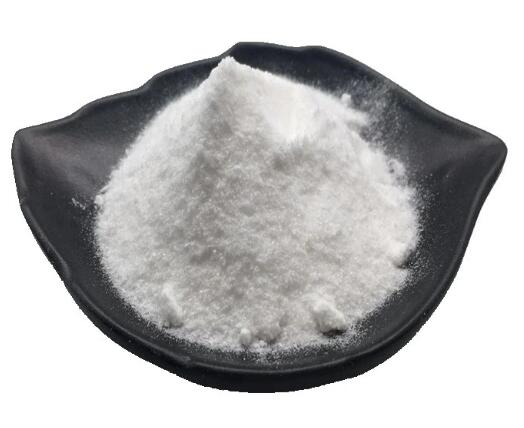
PIPES CAS:5625-37-6 Manufacturer Price
PIPES (piperazine-1,4-bisethanesulfonic acid) is a zwitterionic buffering compound commonly used in biological and biochemical research. It is an effective pH buffer with a high capacity for maintaining stable pH conditions in a pH range of 6.1 to 7.5. PIPES has minimal interference with biomolecules and is suitable for temperature-dependent assays. It is often used in gel electrophoresis techniques and pharmaceutical formulation as a stabilizing agent. Overall, PIPES is a versatile and widely used compound in various experimental settings.

