-

TMB CAS:54827-17-7 Manufacturer Price
Tetramethylbenzidine (TMB) is a chemical compound commonly used in biochemical and clinical laboratory assays.It can be measured spectrophotometrically to determine the presence or quantity of the enzyme or its substrate.
TMB is often employed as a substrate in enzyme-linked immunosorbent assays (ELISAs), where it reacts with horseradish peroxidase (HRP) to produce a blue color in the presence of its substrate. The intensity of the color is directly proportional to the concentration of the target molecule being detected, allowing for quantitative measurements.
.
-

4-Amino-3-hydrazino-1,2,4-triazol-5-thiol CAS:28836-03-5
4-Amino-3-hydrazino-1,2,4-triazol-5-thiol is a chemical compound with a complex structure consisting of an amino group (NH2), a hydrazino group (NHNH2), and a thiol group (SH) attached to a 1,2,4-triazole ring.
It is a relatively small molecule with potential use in various applications, including medicinal chemistry and pharmaceutical research. The presence of the amino and hydrazino groups suggests potential reactivity and affinity towards biological targets.
-

6-Methyl-2-pyridinyl2-(acetylamino)-2-deoxy-1-thio-beta-D-glucopyranoside CAS:149263-94-5
6-Methyl-2-pyridinyl 2-(acetylamino)-2-deoxy-1-thio-beta-D-glucopyranoside, also known as N-acetylglucosamine thiolactone, is a chemical compound with a specialized structure containing a pyridine ring, an acetylamino group, and a thiolactone moiety.
.
-

6-methoxyquinoline CAS:5263-87-6
6-Methoxyquinoline is an organic compound with the molecular formula C10H9NO. It is a heterocyclic aromatic compound consisting of a quinoline ring fused with a methoxy group at the 6-position.
This compound has various applications in organic synthesis and medicinal chemistry. It can serve as a building block for the synthesis of other quinoline derivatives and related compounds.
In medicinal chemistry, 6-Methoxyquinoline has shown potential pharmacological activities. It has been studied for its antimicrobial, antimalarial, and anticancer properties.
-
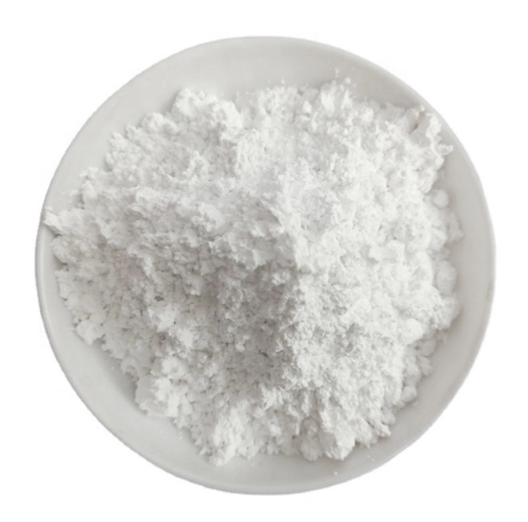
Proteinase K CAS:39450-01-6 Manufacturer Price
Proteinase K is a highly active serine protease enzyme that can catalyze the hydrolysis of peptide bonds in proteins. It is derived from the fungus Engyodontium album and is known for its wide range of substrate specificity. Proteinase K can efficiently cleave peptide bonds on the C-terminal side of hydrophobic, aliphatic, or aromatic amino acids, making it useful in various molecular biology and biochemistry applications.
-
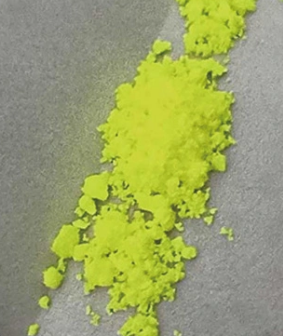
NSP-SA-NHS CAS:199293-83-9 Manufacturer Price
NSP-SA-NHS is a compound consisting of N-succinimidyl-6-(3′-pyridyldithio)hexanoate (NSP) and N-hydroxysuccinimide (NHS). It is commonly used as a crosslinking agent in bioconjugation reactions, specifically for coupling peptides, proteins, or other amine-containing molecules to surfaces or other molecules. The NSP moiety enables the formation of a stable thioester bond with the target molecule, while the NHS moiety allows for subsequent reaction with primary amines. NSP-SA-NHS is widely employed in various research and biomedical applications, including the preparation of immunoassays, antibody labeling, protein-protein interactions studies, and protein immobilization.
-

D-Glucose-6-phosphate disodium salt dihydrate CAS:3671-99-6
D-Glucose-6-phosphate disodium salt is a compound that consists of a glucose molecule phosphorylated at the sixth carbon position. It is in the form of a disodium salt, meaning it has two sodium ions associated with it.Glucose-6-phosphate is an important intermediate in various metabolic pathways, particularly in carbohydrate metabolism. It serves as a crucial molecule in processes such as glycolysis, glycogen synthesis, and the pentose phosphate pathway.Being a phosphorylated form of glucose, glucose-6-phosphate has a different structure and properties compared to regular glucose. It plays a significant role in regulating glucose metabolism and controlling energy production within cells.In research and biochemical applications, D-glucose-6-phosphate disodium salt is commonly used as a substrate or reagent in enzymatic assays and studies. It can be utilized to investigate glucose metabolism, enzyme kinetics, and metabolic disorders, among other applications.
-
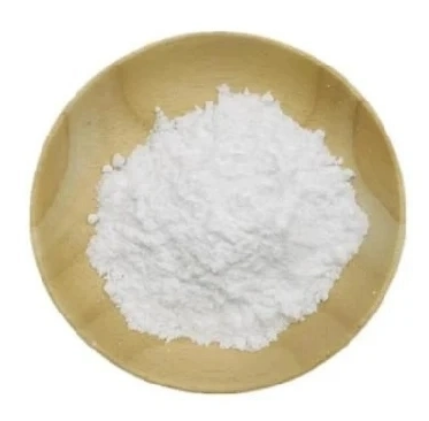
Sodium Glycocholate CAS:863-57-0
Sodium glycocholate is a bile salt compound that aids in the digestion and absorption of dietary fats. It is synthesized from glycine and cholic acid and plays a crucial role in breaking down fats into smaller droplets, increasing their surface area for efficient digestion. Sodium glycocholate is highly soluble in water and is used in pharmaceutical formulations to enhance the solubility and bioavailability of poorly soluble drugs. Additionally, it is used in research and laboratory settings to support the growth of certain bacteria and cell types.
-
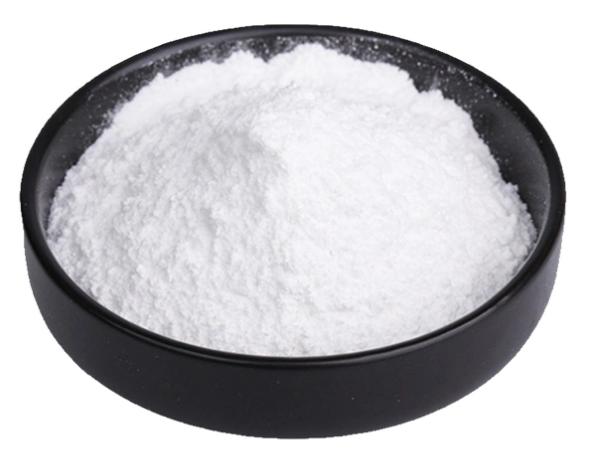
3-(N-tosyl-L-alanyloxy)indole CAS:75062-54-3
3-(N-tosyl-L-alanyloxy)indole is a chemical compound with the molecular formula C20H20N2O4S. It is commonly used as a building block or intermediate in organic synthesis. The compound features an indole ring system, which is a common motif in a variety of biologically active molecules. 3-(N-tosyl-L-alanyloxy)indole is often used in the synthesis of pharmaceuticals, agrochemicals, and other organic compounds.
-
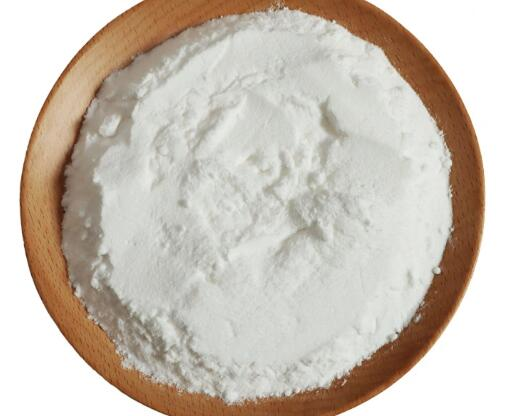
XD90152 DA-67 CAS:115871-18-6 Manufacturer Price
DA-67 is a chemical compound commonly used in biochemical research and enzyme activity assays. It is cleaved by certain enzymes, releasing a molecule called 2-chloro-4-nitrophenol, which can be easily detected and quantified using spectrophotometric methods. The compound finds applications in high-throughput screening for drug discovery, glycobiology studies, and investigating glycosylation processes. It is a valuable tool for studying enzyme kinetics, substrate specificity, and mechanisms of action in carbohydrate metabolism.
.
-
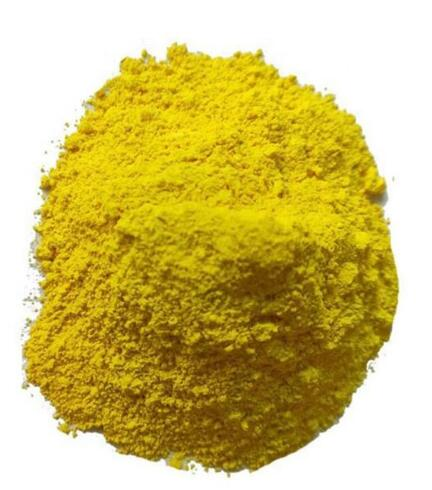
4-Aminoantipyrine CAS:83-07-8
4-Aminoantipyrine, also known as aminoantipyrine or aminopyrine, is a synthetic organic compound. It is commonly used as a reagent in analytical chemistry and pharmaceutical industry. Its chemical structure consists of an aromatic ring with an amino group (NH2) and a pyrazolone group, making it a versatile compound for various applications.
In analytical chemistry, 4-Aminoantipyrine is widely used as a chromogenic reagent in colorimetric assays. It reacts with certain substances, such as phenols and peroxides, to form colored complexes that can be measured spectrophotometrically. This property makes it useful in various assays, including the determination of enzymes like peroxidase, glucose, and amylase.
In the pharmaceutical industry, 4-Aminoantipyrine has been used historically as an analgesic and antipyretic drug .
-
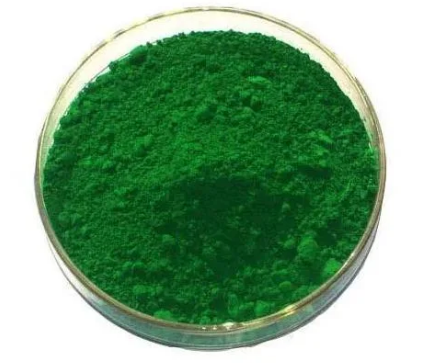
ABTS (2,2′-Azino-bis(3-ethylbenzthiazoline-6-sulfonic acid) diammonium salt) CAS:30931-67-0
Diammonium 2,2′-azino-bis(3-ethylbenzothiazoline-6-sulfonate), often referred to as ABTS, is a commonly used chromogenic substrate in biochemical assays, particularly in the field of enzymology. It is a synthetic compound that is used to measure the activity of various enzymes, including peroxidases and oxidases.
ABTS is colorless in its oxidized form but turns blue-green when oxidized by an enzyme in the presence of hydrogen peroxide or molecular oxygen. This color change is due to the formation of a radical cation, which absorbs light in the visible spectrum.
The reaction between ABTS and the enzyme produces a colored product that can be measured spectrophotometrically. The intensity of the color is directly proportional to the enzymatic activity, allowing researchers to quantitatively evaluate enzyme kinetics, enzyme inhibition, or enzyme-substrate interactions.
ABTS has a broad range of applications in various fields, including clinical diagnostics, pharmaceutical research, and food science. It is highly sensitive and offers a wide dynamic range, making it a popular choice for many biochemical assays.