-
3-(N-tosyl-L-alaninylazy)-5-phenylpyrrole CAS:99740-00-8
The compound contains a pyrrole ring with a phenyl group attached at position 5. Additionally, it has a tosyl group and an L-alanine derivative attached at position 3, forming a complex structure.
-
p-Nitrophenyl -a-L-Fucopyranoside CAS:10231-84-2
p-Nitrophenyl-α-L-Fucopyranoside is a chemical compound that belongs to the class of nitrophenyl glycosides. It is commonly used in biochemical research as a substrate for the enzyme α-L-fucosidase, which catalyzes its hydrolysis. This compound is colorless and soluble in organic solvents, making it convenient for enzymatic assays.
-
APS-5 CAS:193884-53-6 Manufacturer Price
(4-Chlorophenyl)thio-methanol 1-(dihydrogen phosphate) disodium salt (1:2) is a chemical compound that belongs to the class of acridine derivatives. It consists of a 10-methylacridine ring system with a thioether group attached to the 4-chlorophenyl position. The compound also contains a methanol group and two phosphate groups that are partially neutralized by sodium ions.
-
Disodium 5′-Inosinate CAS:4691-65-0
Disodium 5′-Inosinate, also known as E631, is a food additive that is commonly used as a flavor enhancer. It is derived from inosinic acid, which is a nucleotide found naturally in various foods such as meat and fish.
Its primary function is to enhance the taste of food by adding a savory or umami flavor. Disodium 5′-Inosinate is often used in combination with other flavor enhancers such as monosodium glutamate (MSG) in processed foods, snacks, seasonings, and canned foods.
Adding Disodium 5′-Inosinate to food can help improve the overall flavor profile by increasing the perception of meaty or savory taste, especially in products where natural flavors may be lacking.
-
SURFACTIN CAS:24730-31-2 Manufacturer Price
Surfactin is a naturally occurring cyclic lipopeptide that is produced by certain strains of bacteria, particularly Bacillus subtilis. It has gained significant attention due to its diverse range of biological activities and industrial applications.
Surfactin is known for its potent surface-active properties, which enable it to lower the surface tension of liquids and facilitate the formation and stabilization of emulsions. This makes it useful in various industries, including cosmetics, detergents, and food processing.
-
HEPES CAS:7365-45-9 Manufacturer Price
HEPES (4-(2-Hydroxyethyl)piperazine-1-ethanesulfonic acid) is a biological buffer commonly used in biological and chemical research. It is known for its ability to maintain a stable pH in aqueous solutions, making it suitable for various applications involving cellular and enzymatic processes. HEPES is a zwitterionic compound, meaning it has positive and negative charges on separate functional groups, which allows it to resist changes in pH caused by the addition of acids or bases. It is frequently used in cell culture, enzyme assays, protein studies, electrophoresis experiments, and pharmaceutical formulations.
-
TAPS Sodium salt CAS:70331-82-7
TAPS sodium salt, also known as N-(Tris(hydroxymethyl)methyl)-2-aminoethanesulfonic acid sodium salt, is a versatile buffering agent and pH regulator. It is commonly used in biological and chemical research, pharmaceuticals, and diagnostics. TAPS-Na is a zwitterionic compound that helps maintain a stable pH in solutions, making it suitable for a wide range of experimental conditions. Its applications include cell culture, protein research, electrophoresis, chemical synthesis, and pharmaceutical formulations. TAPS-Na is a soluble and stable form of TAPS that is easy to handle and use in aqueous solutions.
-
GLYCYL-L-PROLINE CAS:704-15-4
Glycyl-L-proline, also known as glycylproline or Gym-Pro, is an amino acid derivative that consists of the amino acid glycine attached to the amino acid L-proline. It is a naturally occurring compound found in collagen, a protein responsible for the structure and strength of various tissues in the body. Glycyl-L-proline has been studied for its potential health benefits, including promoting skin health, reducing inflammation, and supporting joint and bone health. It is also used in cosmetic formulations for its moisturizing and antioxidant properties.
-
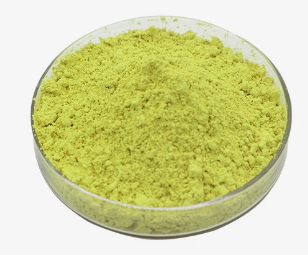
γ-L-Glutamyl-3-carboxy-4-nitroanilide, monoammonium salt CAS:63699-78-5
γ-L-Glutamyl-3-carboxy-4-nitroanilide, monoammonium salt is a chemical compound that is commonly used in biochemical research and related fields. It is a synthetic derivative of L-glutamate, an amino acid.
This compound is often utilized as a substrate for enzymes called γ-glutamyl transpeptidases, which play a role in various physiological processes. It is commonly used in enzymatic assays to study the activity and inhibition of these enzymes.
-

Tapso Sodium CAS:105140-25-8 Manufacturer Price
3-[N-Tris(hydroxymethyl)methylamino]-2-hydroxypropanesulfonic acid,It is a zwitterionic buffering agent in the form of a sodium salt. It is commonly used in biochemical and molecular biology experiments for maintaining a stable pH in solutions. It is highly soluble in water and has a pKa close to physiological pH, making it suitable for a wide range of applications such as protein purification, enzyme assays, cell culture, and electrophoresis. Its unique chemical structure and compatibility with biological systems make it an essential component in various laboratory protocols.
-
4-Nitrophenyl-2-acetamido-2-deoxy-β-D-glucopyranoside CAS:3459-18-5
4-Nitrophenyl-2-acetamido-2-deoxy-β-D-glucopyranoside is a chemical compound commonly used in biochemical and molecular biology research. It is a substrate commonly known as pNAG, used primarily in enzymatic assays to detect and measure the activity of enzymes that hydrolyze β-D-glucoside bonds.
pNAG is colorless and non-fluorescent, but upon hydrolysis by specific enzymes, it produces a yellow-colored product, p-nitrophenol. This characteristic makes pNAG useful for detecting and quantifying the activity of enzymes such as β-glucosidases, which catalyze the cleavage of β-D-glucoside bonds.
-
(±)-6-Hydroxy-2,5,7,8-tetramethylchromane-2-carboxylic acid CAS:53188-07-1
Trolox is a synthetic compound that belongs to the class of antioxidants known as vitamin E analogs. It is a potent antioxidant that can scavenge free radicals and protect cells and tissues from oxidative damage. Trolox has been extensively studied for its potential health benefits, including its ability to reduce inflammation, prevent cellular damage, and support cardiovascular health. It is commonly used as a reference compound in antioxidant research and as an additive in various food and cosmetic products.
.