-
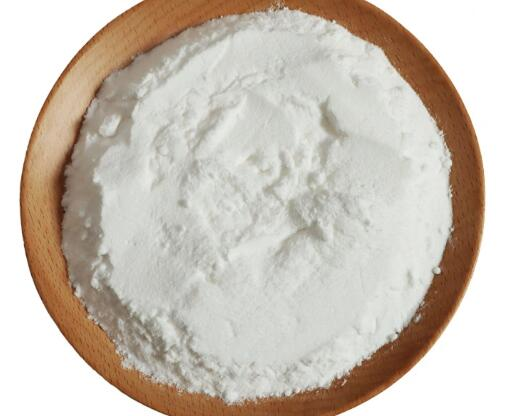
XD90152 DA-67 CAS:115871-18-6 Manufacturer Price
DA-67 is a chemical compound commonly used in biochemical research and enzyme activity assays. It is cleaved by certain enzymes, releasing a molecule called 2-chloro-4-nitrophenol, which can be easily detected and quantified using spectrophotometric methods. The compound finds applications in high-throughput screening for drug discovery, glycobiology studies, and investigating glycosylation processes. It is a valuable tool for studying enzyme kinetics, substrate specificity, and mechanisms of action in carbohydrate metabolism.
.
-
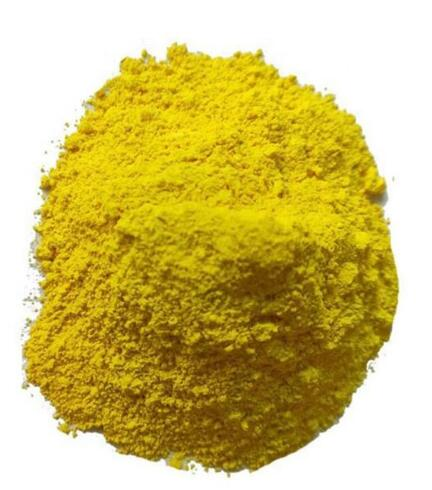
4-Aminoantipyrine CAS:83-07-8
4-Aminoantipyrine, also known as aminoantipyrine or aminopyrine, is a synthetic organic compound. It is commonly used as a reagent in analytical chemistry and pharmaceutical industry. Its chemical structure consists of an aromatic ring with an amino group (NH2) and a pyrazolone group, making it a versatile compound for various applications.
In analytical chemistry, 4-Aminoantipyrine is widely used as a chromogenic reagent in colorimetric assays. It reacts with certain substances, such as phenols and peroxides, to form colored complexes that can be measured spectrophotometrically. This property makes it useful in various assays, including the determination of enzymes like peroxidase, glucose, and amylase.
In the pharmaceutical industry, 4-Aminoantipyrine has been used historically as an analgesic and antipyretic drug .
-
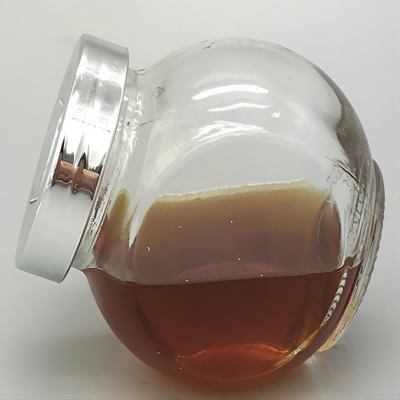
Propargite CAS:2312-35-8 Manufacturer Supplier
Propargite is a wettable powder or water emulsifiable liquid. Propargite can cause illness by inhalation, skin absorption and/or ingestion. The primary hazard is the threat to the environment. Immediate steps should be taken to limit its spread to the environment. Since Propargite is a liquid Propargite can easily penetrate the soil and contaminate groundwater and nearby streams.
-
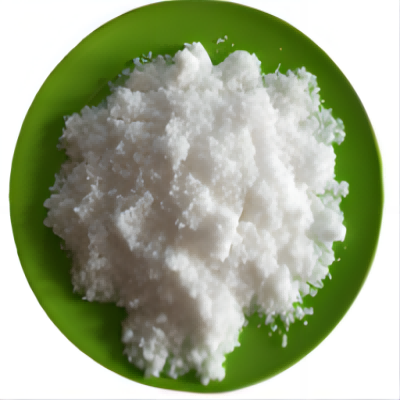
Hexythiazox CAS:78587-05-0 Manufacturer Supplier
Hexythiazox is a new thiazolidinone acaricide. It has a wide insecticidal spectrum, high acaricidal activity to Tetranychus tetranychus and Tetranychus paniculatum, and has good residual effect when used at low concentration. It has no cross-resistance to organophosphorus and dichlorophenol, etc. It is safe to crops and beneficial insects that prey on mites, but it has no endotoxicity and has poor effect on adults. It has a wide insecticidal spectrum, and has high acaricidal activity against the mocking mite and the whole acaricidal mite.
-
Carbaryl CAS:63-25-2 Manufacturer Supplier
Carbaryl is compatible with most common pesticides, however it should not be combined with lime sulphur and Bordeaux mixes. Carbaryl is highly toxic to earthworms and should not be used on soil insects except in cases such as bowling greens where it can be used for the control of worms that would otherwise damage the highly manicured surface.
-
Profenofos CAS:41198-08-7 Manufacturer Supplier
Profenofos is an organic thiophosphate, an organophosphate insecticide, an organochlorine insecticide and a member of monochlorobenzenes. It has a role as an EC 3.1.1.7 (acetylcholinesterase) inhibitor, an acaricide and an agrochemical. It is functionally related to a 4-bromo-2-chlorophenol.
-
Fipronil CAS:120068-37-3 Manufacturer Supplier
Fipronil is a white powder with a mouldy odour. It has a low solubility in water and is a slow-acting poison. It does not bind strongly with soil, and the half-life of fipronil– sulphone is 34 days. Fipronil is a broadspectrum insecticide of the phenylpyrazole group. Fipronil was first used extensively for the control of ants, beetles, cockroaches, fleas; ticks, termites, mole crickets, thrips, rootworms, weevils, flea of pets, field pest of corn, golf courses, and commercial turf, and other insects.
-
Lufenuron CAS:103055-07-8 Manufacturer Supplier
Lufenuron is an insect development inhibitor of the benzoylphenyl urea class. It demonstrates activity against fleas that have fed on treated cats and dogs and become exposed to lufenuron in the host’s blood. Lufenuron also has activity by virtue of its presence in adult flea feces, leading to its ingestion by flea larvae. Both activities result in the production of eggs that are unable to hatch, causing significant reductions in flea larvae populations. The lipophilicity of lufenuron leads to its deposition in adipose tissues of animals from where it is slowly released into the bloodstream.
-
ETOXAZOLE CAS:153233-91-1 Manufacturer Supplier
Etoxazole is an organofluorine acaricide. It induces toxicity in two-spotted spider mite (T. urticae) larvae (LC50 = 0.036 mg/L for the London reference strain) through inhibition of chitin synthase 1. It reduces acetylcholinesterase (AChE) activity in the freshwater fish O. niloticus in a concentration-dependent manner. Etoxazole (2.2-22 mg/kg per day) inhibits the activity of catalase, glutathione peroxidase (GPX), and AChE in the liver and kidneys of rats in a dose-dependent manner. Formulations containing etoxazole have been used for the control of mites in agriculture.
-
ACEQUINOCYL CAS:57960-19-7 Manufacturer Supplier
Acequinocyl, also known as 2- (acetoxy) 3-dodecyl-1,4-naphthoquinone, is a pure yellow powder solid. Acequinocyl is an important synthetic acaricide pesticide used to control lice, mites, and other invertebrates.
-
Cyromazine CAS:66215-27-8 Manufacturer Supplier
Cyromazine is a triazine insect growth regulator that can be used as an insecticide and an acarcide. It is a kind of cyclopropylderivative of melamine, and also belongs to the family of aminotriazines which are compound consisting of an amino group attached to a triazine ring. It has specific activity against dipterous larvae, and has been approved by FDA for being applied to livestock. It is not a kind of cholinesterase inhibitor, and taking effect through affecting the nervous system of the immature larval stage of the insects.
-
Imidacloprid CAS:138261-41-3 Manufacturer Supplier
Imidacloprid is a systemic insecticide that acts as an insect neurotoxin and belongs to a class of chemicals called the neonicotinoidswhich act on the central nervous system of insects. Imidacloprid is a systemic, chloro-nicotinyl insecticide with soil, seed and foliar uses for the control of sucking insects including rice hoppers, aphids, thrips, whiteflies, termites, turf insects, soil insects and some beetles. It is most commonly used on rice, cereal, maize, potatoes, vegetables, sugar beets, fruit, cotton, hops and turf, and is especially systemic when used as a seed or soil treatment.