-

PHENYL-1-THIO-β-D-GALACTOPYRANOSIDE CAS:16758-34-2
PHENYL-1-THIO-β-D-GALACTOPYRANOSIDE, also known as phenyl thio galactopyranoside, is a chemical compound that belongs to the family of glycosides. It is a galactose derivative that consists of a galactopyranose sugar unit attached to a phenylthio group at the anomeric carbon.This compound is commonly used in biochemical research as a substrate for enzymes that hydrolyze glycosidic bonds. It acts as an artificial substrate to study the enzymatic activity of glycosidases and to determine their specificity, kinetics, and inhibition.PHENYL-1-THIO-β-D-GALACTOPYRANOSIDE is often employed in colorimetric and fluorometric assays to detect the presence or measure the activity of various glycosidases in biological samples. The hydrolysis of this compound by specific enzymes produces a detectable signal that can be quantified.Due to its stable phenylthio group, PHENYL-1-THIO-β-D-GALACTOPYRANOSIDE can be easily handled and stored without decomposition, making it a convenient choice for enzyme assays and research experiments.
-
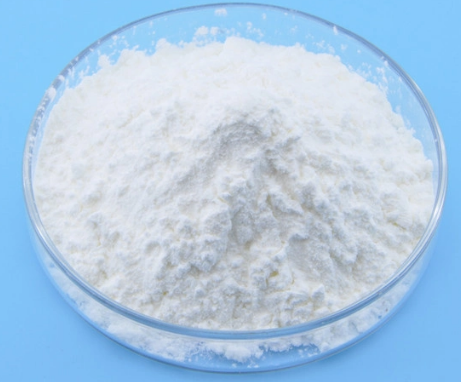
DIPSO CAS:68399-80-4 Manufacturer Price
DIPSO stands for “Diisopropyl azodicarboxylate,” which is a commonly used reagent in organic chemistry. It is primarily used in the Mitsunobu reaction, which is a method for converting alcohols into various functional groups such as esters, ethers, or amines. DIPSO acts as a source of a highly reactive intermediate called azodicarboxylate, which facilitates this transformation.
-
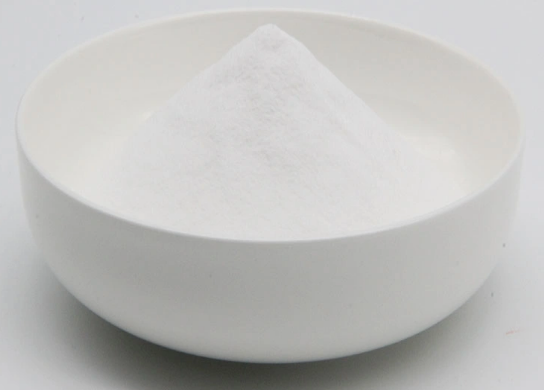
ADA DISODIUM SALT CAS:41689-31-0
N-(2-Acetamido)iminodiacetic acid disodium salt is a chemical compound commonly used as a chelating agent. It forms stable complexes with metal ions, particularly calcium, copper, and zinc, preventing undesired interactions and enhancing the stability of various products and formulations. It finds applications in water treatment, personal care products, medical imaging, analytical chemistry, and agriculture.
-
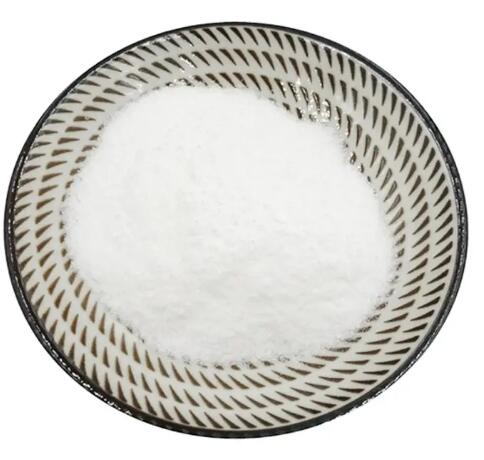
3-Morpholino-2-hydroxypropanesulfonic acid sodium salt CAS:79803-73-9
3-Morpholino-2-hydroxypropanesulfonic acid sodium salt, also known as MES sodium salt, is a chemical compound commonly used as a buffering agent in biological and biochemical research.
MES is a zwitterionic buffer that acts as a pH regulator, keeping the pH stable in various experimental systems. It is highly soluble in water and has a pKa value of approximately 6.15, making it suitable for buffering in the pH range of 5.5 to 7.1.
MES sodium salt is frequently used in molecular biology techniques such as DNA and RNA isolation, enzyme assays, and protein purification. It is also used in cell culture media to maintain a stable pH environment for cell growth and proliferation.
One notable feature of MES is its stability under physiological conditions and resistance to changes in temperature. This makes it suitable for use in experiments where temperature fluctuations are expected.
Researchers often prefer MES sodium salt as a buffer due to its minimal interference with enzymatic reactions and high buffer capacity within its optimal pH range.
-
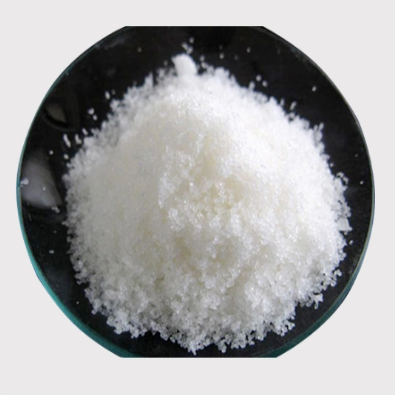
beta-d-glucose pentaacetate CAS:604-69-3
Beta-D-glucose pentaacetate is a chemical compound that is derived from glucose, a simple sugar. It is formed by acetylating glucose with five acetyl groups, resulting in the attachment of these groups to the hydroxyl (OH) groups present in the glucose molecule. This modification of glucose gives it enhanced stability and makes it soluble in organic solvents.
Beta-D-glucose pentaacetate has various applications in the field of organic chemistry, particularly in the synthesis and modification of carbohydrates. It can serve as a precursor or intermediate in the preparation of other carbohydrate derivatives or complex organic compounds. Additionally, it has been utilized in some medical and pharmaceutical applications such as drug delivery systems and controlled release formulations.
-

CAPSO Na CAS:102601-34-3 Manufacturer Price
CAPSO Na, also known as 3-(cyclohexylamino)-2-hydroxy-1-propanesulfonic acid sodium salt, is a compound that belongs to the family of sulfonic acids. It is a zwitterionic buffer commonly used in various biochemical and molecular biology applications.
CAPSO Na acts as an effective pH-regulating agent and is widely used in buffer formulations to maintain a stable pH in a specific range. It has a pKa value of around 9.8 and is often employed in experiments that require a pH between 8.5 and 10.
The sodium salt form of CAPSO (CAPSO Na) enhances the solubility and ease of handling compared to the free acid form. It is water-soluble and readily forms stable solutions at different concentrations, making it convenient for various laboratory applications.
Some common applications of CAPSO Na include serving as a buffer in electrophoresis techniques, enzyme assays, protein purification, and cell culture media. Its buffering capacity and compatibility with biological systems contribute to its usefulness in these fields.
-
3-NITROPHENYL-BETA-D-GALACTOPYRANOSIDE CAS:3150-25-2
3-Nitrophenyl-beta-D-galactopyranoside (ONPG) is a substrate commonly used in enzymatic assays to detect and measure the activity of beta-galactosidase. When beta-galactosidase is present and active, it hydrolyzes ONPG, releasing a yellow-colored product called 3-nitrophenol. The intensity of the yellow color produced can be measured spectrophotometrically, allowing quantification of beta-galactosidase activity. ONPG is frequently used in molecular biology and microbiology research, as well as in clinical diagnostics, to study gene expression, protein function, bacterial identification, and cell viability.
-
TOPS CAS:40567-80-4 Manufacturer Price
Sodium 3-(N-ethyl-3-methylanilino)propanesulfonate is a chemical compound with a complex molecular structure. It is commonly used in various scientific and research applications. The compound is a sulfonate derivative, known for its solubility in water and other polar solvents. It can be used as a reagent or additive in chemical reactions and processes. Due to its unique structure and properties, Sodium 3-(N-ethyl-3-methylanilino)propanesulfonate is often utilized in the development of pharmaceuticals, dyes, and other organic compounds.
-
![Sodium 2-[(2-aminoethyl)amino]ethanesulphonate CAS:34730-59-1](https://cdn.globalso.com/xindaobiotech/图片943.png)
Sodium 2-[(2-aminoethyl)amino]ethanesulphonate CAS:34730-59-1
Sodium 2-[(2-aminoethyl)amino]ethanesulphonate is a chemical compound commonly known as taurine sodium. It is an organic compound consisting of a taurine molecule attached to a sodium atom. Taurine itself is a naturally occurring amino acid-like substance found in various animal tissues.
Taurine sodium is widely used as a dietary supplement and ingredient in functional beverages and energy drinks. It is known for its potential health benefits, such as supporting cardiovascular health, regulating electrolyte balance, and promoting cognitive function.
In the body, taurine sodium has roles in bile acid formation, osmoregulation, antioxidant activity, and modulation of neurotransmitter function. It is also believed to have anti-inflammatory properties and may help in the prevention of certain eye disorders.
-
Phenylgalactoside CAS:2818-58-8
Phenylgalactoside, also known as p-nitrophenyl β-D-galactopyranoside (pNPG), is a synthetic substrate frequently used in biochemical and molecular biology experiments. It is commonly used to detect and measure the activity of the enzyme β-galactosidase.
When phenylgalactoside is hydrolyzed by β-galactosidase, it releases p-nitrophenol, which is a yellow-colored compound. The liberation of p-nitrophenol can be quantitatively measured using a spectrophotometer, as the absorbance of p-nitrophenol can be detected at a wavelength of 405 nm.
-
MES monohydrate CAS:145224-94-8
MES monohydrate is the hydrated form of 4-Morpholineethanesulfonic acid (MES), a buffering agent commonly used in biological and biochemical research. It is a white crystalline powder that is soluble in water and has a pKa value around 6.1. MES monohydrate is known for its ability to maintain a stable pH in the range of 5.5 to 6.7, making it suitable for various applications such as enzyme studies, protein purification, gel electrophoresis, cell culture, and chemical reactions. Its versatility and compatibility with biological systems make it an essential component in many laboratory experiments and procedures.
-
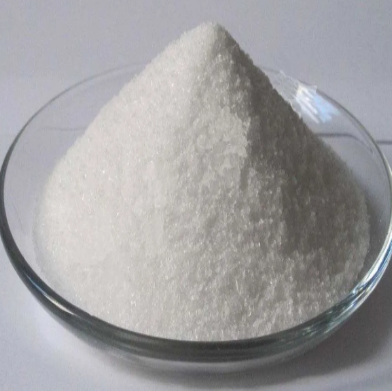
D-(+)-Cellobiose CAS:528-50-7
D-(+)-Cellobiose is a disaccharide made up of two glucose units connected by a beta-1,4-glycosidic bond. It is commonly found in cellulose, the main component of plant cell walls. Cellobiose is a colorless, crystalline solid that is soluble in water. It is not digested by most organisms, but can be hydrolyzed by certain enzymes, such as cellobiases, to yield glucose. Cellobiose is an important intermediate in the microbial degradation of cellulose and is used in various biotechnological applications, including the production of biofuels.

