-
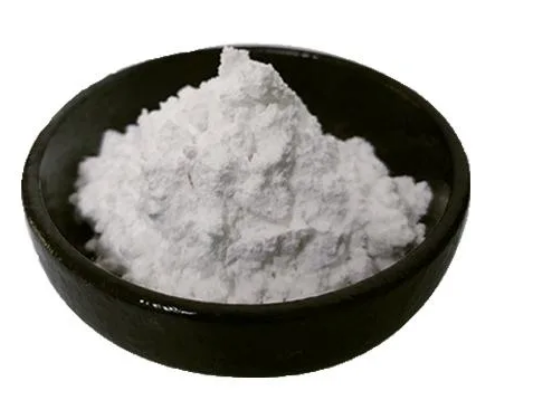
Egtazic acid CAS:67-42-5 Manufacturer Price
Ethylenebis(oxyethylenenitrilo)tetraacetic acid (EGTA) is a chelating agent commonly used in biological and chemical research. It is a synthetic compound that is derived from ethylenediamine and ethylene glycol. EGTA has a high affinity for divalent metal ions, particularly calcium, and is widely used to chelate and sequester these ions in various applications such as in cell culture, enzyme assays, and molecular biology techniques. By binding to calcium and other metal ions, EGTA helps to regulate their concentrations, thus influencing various biochemical processes.
-

BES CAS:10191-18-1 Manufacturer Price
N,N-Bis(hydroxyethyl)-2-aminoethanesulfonic acid, also known as BES or N,N-Bis(2-hydroxyethyl)aminoethanesulfonic acid, is a chemical compound that is commonly used as a buffering agent in various scientific and industrial applications.
BES is a zwitterionic compound, meaning it has both positive and negative charges within its structure. This property allows it to effectively maintain a stable pH in solutions.
BES has a pKa value of approximately 7.4, making it particularly useful for buffering at physiological pH levels. It is often utilized in biological and biochemical experiments, such as protein purification, enzyme reactions, and cell culture, where maintaining a specific pH is critical.
Additionally, BES is widely used in electrophoresis techniques, as it helps maintain the pH necessary for the separation and analysis of charged biomolecules, such as proteins and nucleic acids.
-
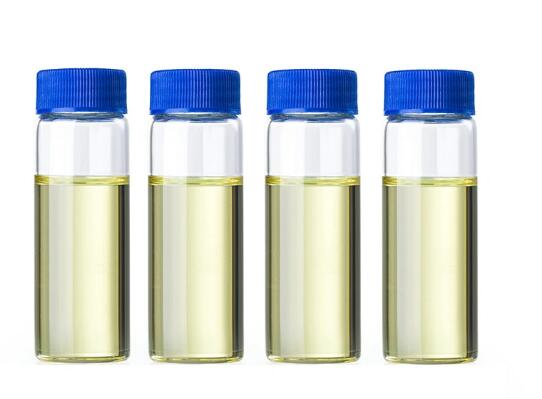
N-(2-Aminoethyl)morpholine CAS:2038-03-1
N-(2-Aminoethyl)morpholine, also known as AEM, is a chemical compound with a linear structure. It consists of a morpholine ring with an aminoethyl group attached to one of its nitrogen atoms. AEM is a colorless liquid with a characteristic odor.
AEM finds application in various industrial sectors. It is primarily used as a solvent for organic compounds due to its excellent solvency properties. Additionally, AEM acts as a corrosion inhibitor in industries involving metal cleaning, oil and gas production, and water treatment. It helps protect metals from rust and corrosion.
Furthermore, AEM serves as a chemical intermediate for the synthesis of pharmaceuticals, agrochemicals, and specialty chemicals. It is employed in polymer additives to improve the adhesive properties of coatings, adhesives, and sealants. AEM is also used as a pH adjuster or buffering agent in certain industrial processes.
-
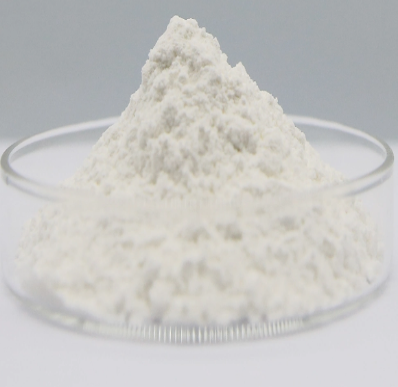
Bicine CAS:150-25-4 Manufacturer Price
Bicine is a zwitterionic buffering agent commonly used in biological and biochemical research. It is a useful tool for maintaining a stable pH in a variety of experimental settings, including enzyme assays, cell culture media, and protein purification processes.Bicine is known for its ability to maintain a nearly constant pH over a wide range of temperatures. This makes it particularly valuable in experiments that involve temperature variations.In addition to its buffering properties, bicine also exhibits good solubility in water and is compatible with many biological systems. It is often used in combination with other buffering agents to achieve optimal pH conditions.Bicine is considered a non-toxic and non-irritating compound, making it suitable for use in a wide range of biological applications. However, as with any chemical reagent, it is important to handle bicine with proper safety precautions and follow recommended guidelines for storage and disposal.
-
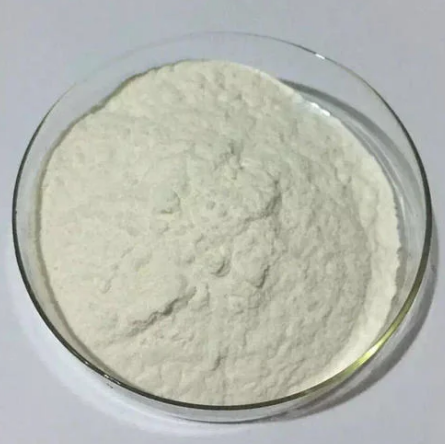
4-Methylumbelliferyl-beta-D-glucopyranoside CAS:18997-57-4
4-Methylumbelliferyl-beta-D-glucopyranoside is a substrate commonly used in enzymatic assays to study the activity of beta-glucosidase enzymes. When acted upon by beta-glucosidase, it undergoes hydrolysis, resulting in the release of 4-methylumbelliferone, which can be detected and quantified using fluorescence spectroscopy. This compound is widely used in the fields of biochemistry, molecular biology, and biotechnology for enzyme activity assays and screening purposes. Its fluorescence property makes it highly sensitive and suitable for high-throughput applications.
-

Phenyl2,3,4,6-tetra-O-acetyl-1-thio-β-D-galactopyranoside CAS:24404-53-3
Phenyl2,3,4,6-tetra-O-acetyl-1-thio-β-D-galactopyranoside is a compound that is commonly used in biochemical research. It is a modified form of the sugar molecule galactose, and has several applications in enzyme assays, gene expression analysis, screening systems, and protein purification. Its structure includes acetyl groups and a thio group, which help in the detection and manipulation of specific enzymatic activities. Overall, this compound is important in studying the activity and function of the enzyme β-galactosidase, as well as in various molecular biology and biochemistry experiments.
-
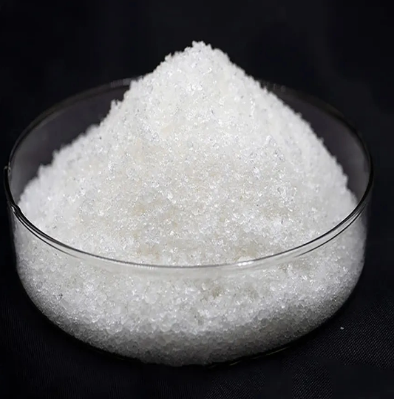
Tris maleate CAS:72200-76-1
Tris maleate is a chemical compound that serves as a pH buffer and adjuster in various industries. It is used for maintaining stable pH levels and resisting changes caused by the addition of acids or bases. Tris maleate is commonly employed in biochemical research, protein purification, industrial processes, and analytical chemistry. It is especially effective in buffering at lower pH ranges and is renowned for its versatility in maintaining optimal pH conditions.
-
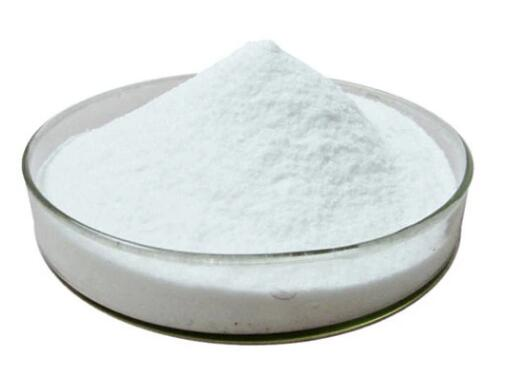
2-(tris(hydroxymethyl)methylamino)ethane-1-sulphonic acid CAS:7365-44-8
2-(Tris(hydroxymethyl)methylamino)ethane-1-sulfonic acid, abbreviated as TES, is a chemical compound commonly used as a buffering agent in biological and chemical research. As a sulfonic acid derivative of tris(hydroxymethyl)aminomethane (Tris), TES can maintain a stable pH range of 6.8 to 8.2. It is frequently employed in cell culture media, enzymatic reactions, protein electrophoresis, and DNA/RNA research. TES is highly versatile and crucial for maintaining optimal conditions in various laboratory experiments and techniques.
-
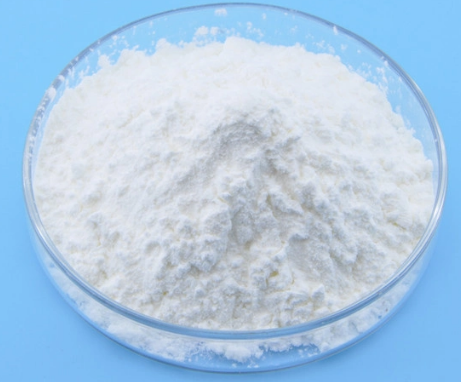
DIPSO CAS:68399-80-4 Manufacturer Price
DIPSO stands for “Diisopropyl azodicarboxylate,” which is a commonly used reagent in organic chemistry. It is primarily used in the Mitsunobu reaction, which is a method for converting alcohols into various functional groups such as esters, ethers, or amines. DIPSO acts as a source of a highly reactive intermediate called azodicarboxylate, which facilitates this transformation.
-
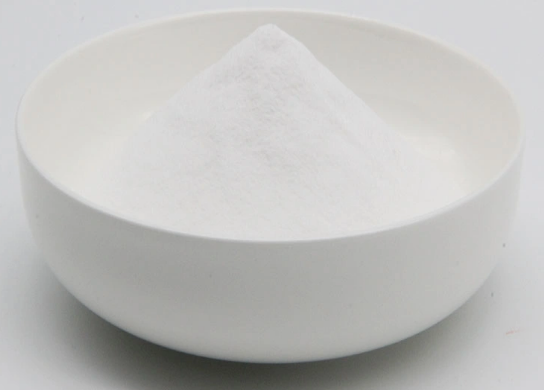
ADA DISODIUM SALT CAS:41689-31-0
N-(2-Acetamido)iminodiacetic acid disodium salt is a chemical compound commonly used as a chelating agent. It forms stable complexes with metal ions, particularly calcium, copper, and zinc, preventing undesired interactions and enhancing the stability of various products and formulations. It finds applications in water treatment, personal care products, medical imaging, analytical chemistry, and agriculture.
-
3-Morpholino-2-hydroxypropanesulfonic acid sodium salt CAS:79803-73-9
3-Morpholino-2-hydroxypropanesulfonic acid sodium salt, also known as MES sodium salt, is a chemical compound commonly used as a buffering agent in biological and biochemical research.
MES is a zwitterionic buffer that acts as a pH regulator, keeping the pH stable in various experimental systems. It is highly soluble in water and has a pKa value of approximately 6.15, making it suitable for buffering in the pH range of 5.5 to 7.1.
MES sodium salt is frequently used in molecular biology techniques such as DNA and RNA isolation, enzyme assays, and protein purification. It is also used in cell culture media to maintain a stable pH environment for cell growth and proliferation.
One notable feature of MES is its stability under physiological conditions and resistance to changes in temperature. This makes it suitable for use in experiments where temperature fluctuations are expected.
Researchers often prefer MES sodium salt as a buffer due to its minimal interference with enzymatic reactions and high buffer capacity within its optimal pH range.
-

Alpha-D-Glucose pentaacetate CAS:3891-59-6
Alpha-D-glucose pentaacetate is a chemical compound obtained by acetylating the hydroxyl groups of alpha-D-glucose with five acetyl groups. It is commonly used in organic synthesis as a protective group for hydroxyl groups present in carbohydrates. It can also be used as a reference compound in chemical research and analysis, and as a starting material for the synthesis of various compounds. Additionally, glucose pentaacetate has been investigated for its potential use in drug delivery systems, due to its controlled release properties.

