-

disodium 2-hydroxyethyliminodi CAS:135-37-5
Disodium 2-hydroxyethyliminodi is a chemical compound that belongs to the class of organic salts. It is commonly used as a buffering agent and pH adjuster in various laboratory and industrial applications. This compound helps maintain a stable pH environment and is often used in biotechnology, pharmaceutical, and biochemical research. Additionally, it may have other applications such as in food and beverage processing, cosmetics, and personal care products. Overall, disodium 2-hydroxyethyliminodi is a versatile compound with important uses in maintaining pH stability in various industries.
-
MOBS CAS:115724-21-5 Manufacturer Price
4-morpholin-4-ylbutane-1-sulfonic acid, also known as MOBS, is a synthetic organic compound used as a buffering agent in biological and biochemical research. It is stable and can maintain a stable pH in the neutral to slightly alkaline range. MOBS is widely used in cell culture, enzyme assays, molecular biology techniques, and electrophoresis. It is compatible with a variety of reagents and is known for its stability and resistance to changes in temperature and pH.
-
HEIDA CAS:93-62-9 Manufacturer Price
N-(2-Hydroxyethyl)iminodiacetic acid (HEIDA) is a chemical compound with multiple applications in various fields. It is a chelating agent, meaning it has the ability to bind to metal ions and form stable complexes.
In analytical chemistry, HEIDA is often used as a complexing agent in titrations and analytical separations. It can be employed to sequester metal ions, such as calcium, magnesium, and iron, and thereby prevent them from interfering with the accuracy of analytical measurements.
HEIDA also finds application in the pharmaceutical industry, particularly in the formulation of certain medications. It can be used as a stabilizer and solubilizing agent for poorly soluble drugs, helping to improve their bioavailability and efficacy.
Another area of use for HEIDA is in the field of wastewater treatment and environmental remediation. It can be employed as a sequestering agent to remove heavy metal contaminants from water or soil, thereby reducing their toxicity and promoting remediation efforts.
Additionally, HEIDA has been utilized in the synthesis of coordination compounds and metal-organic frameworks (MOFs), which have various applications in catalysis, gas storage, and sensing.
-
4-Nitrophenyl beta-D-galactopyranoside CAS:200422-18-0
4-Nitrophenyl beta-D-galactopyranoside (ONPG) is a chemical compound commonly used in enzymatic assays to detect the presence and activity of the enzyme β-galactosidase. It is a substrate for β-galactosidase, which cleaves the molecule to release a yellow product, o-nitrophenol. The color change can be measured spectrophotometrically, allowing for the quantitative determination of the enzyme’s activity. This compound is widely used in molecular biology and biochemistry research to quantify β-galactosidase activity and to study gene expression and regulation.
-

4-Nitrophenyl Beta-D-glucuronide CAS:10344-94-2
4-Nitrophenyl Beta-D-glucuronide is a chemical compound formed by attaching a glucose molecule to a 4-nitrophenyl group through a glycosidic linkage. It is commonly used as a substrate in enzymatic assays to detect the presence and activity of β-glucuronidase, an enzyme involved in the metabolism of various drugs and xenobiotics in mammals.When β-glucuronidase is present, it cleaves the glycosidic bond between the glucose and 4-nitrophenyl group, resulting in the release of 4-nitrophenol, which can be detected spectrophotometrically at 400-420 nm. This enzymatic reaction provides a quantitative measurement of β-glucuronidase activity and is often used as a tool in drug discovery, toxicology studies, and clinical diagnostics.
-

MOPS sodium salt CAS:71119-22-7
MOPS sodium salt, also known as3-(N-morpholino)propanesulfonic acid sodium salt, is a commonly used buffering agent in biochemical and molecular biology research. It is used to maintain a stable pH range and create ideal conditions for enzymatic reactions, protein stability, and cell culture growth. MOPS sodium salt is particularly effective in providing buffering capacity in the pH range of approximately 6.5 to 7.9. It is widely utilized in protein purification processes, gel electrophoresis, enzyme studies, and cell culture experiments.
-

ACES CAS:7365-82-4 Manufacturer Price
N-(2-Acetamido)-2-aminoethanesulfonic acid, also known as ACES, is a commonly used buffering agent in scientific research. It helps maintain a stable pH in solutions and is highly soluble in water. ACES has low toxicity and minimal interference with biochemical processes, making it suitable for various applications. It is often used as a buffer in protein stabilization studies and enzyme assays, where it maintains optimal conditions for protein conformation and enzyme activity.
-

FLUORESCEIN MONO-BETA-D- GALACTOPYRANOSIDE CAS:102286-67-9
Fluorescein mono-beta-D-galactopyranoside, also known as FMG, is a fluorescent compound that is commonly used as a substrate in various biochemical and cell biology experiments. It is derived from methyl-beta-D-galactopyranoside by conjugating it with a fluorescein molecule.FMG is widely used to study the activity of beta-galactosidase, an enzyme that catalyzes the hydrolysis of lactose into galactose and glucose. By using FMG as a substrate, researchers can monitor the enzymatic activity of beta-galactosidase through the measurement of fluorescence emission. The hydrolysis of FMG by beta-galactosidase leads to the release of fluorescein, resulting in an increase in fluorescent signal that can be quantified.This compound is also utilized to investigate carbohydrate recognition and interactions. FMG can be used as a molecular probe to study the binding affinity of lectins (proteins that specifically bind to carbohydrates) to galactose-containing carbohydrates. The binding of FMG-lectin complexes can be detected and quantified based on changes in fluorescence emission.Overall, FMG is a versatile tool in studying enzyme activity and carbohydrate recognition, offering a convenient and sensitive method to measure fluorescence and evaluate these biological processes.
-
HDAOS CAS:82692-88-4 Manufacturer Price
HDAOS (N-(2-Hydroxy-3-sulfopropyl)-3,5-dimethoxyaniline sodium salt) is a chemical compound commonly used in various fields, including organic synthesis, pharmaceuticals, and material science. It consists of a phenyl ring substituted with a hydroxy group, a sulfonic group, and two methoxy groups. HDAOS is typically found in the form of a sodium salt, indicating the presence of a sodium cation associated with the sulfonic group.
-
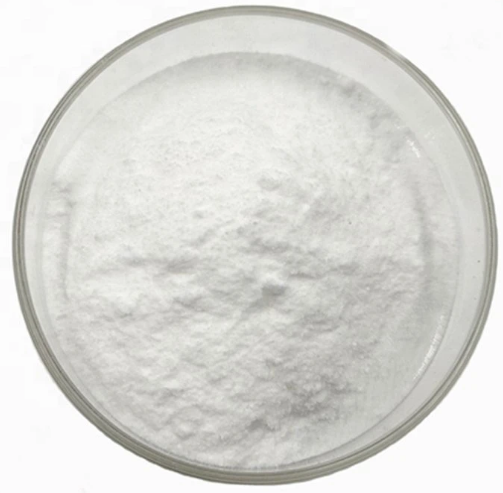
HEPBS CAS:161308-36-7 Manufacturer Price
N-(2-Hydroxyethyl)piperazine-N’-(4-butanesulfonic acid), commonly referred to as HEPBS, is a chemical compound used as a buffering agent and pH regulator in biological and biochemical research. It has a wide range of applications, including cell culture, enzyme studies, electrophoresis, biochemical assays, and drug formulation. HEPBS helps maintain a stable pH range, particularly in the physiological range, and is known for its good buffering capacity and compatibility with various experimental techniques.
-
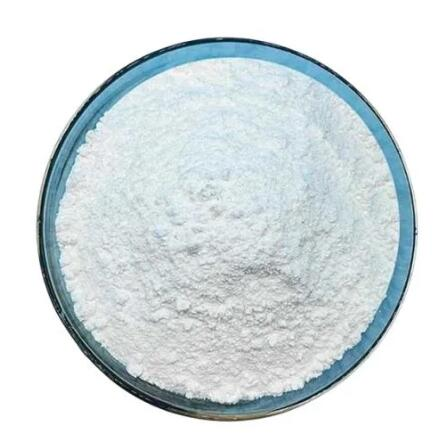
1,3-bis(tris(hydroxymethyl)methylamino) propane CAS:64431-96-5
1,3-bis(tris(hydroxymethyl)methylamino) propane is a chemical compound with the molecular formula C15H35N3O8. It is a polyalcohol that contains multiple hydroxyl groups and amine groups. This compound is commonly used as a crosslinking agent or as a building block in the synthesis of polymeric materials.
Due to its high number of hydroxyl and amine groups, 1,3-bis(tris(hydroxymethyl)methylamino) propane is often utilized in the production of resins, coatings, adhesives, and various other polymer-based products. It can undergo chemical reactions with other monomers or polymers to form stable and durable networks.
Furthermore, this compound can act as a chelating agent, binding to metal ions and helping to stabilize their presence or reactivity. It has applications in metal ion extraction, catalysis, and other chemical processes involving metal coordination. Additionally, it can be used as a pH buffer or pH regulator in various systems.
-
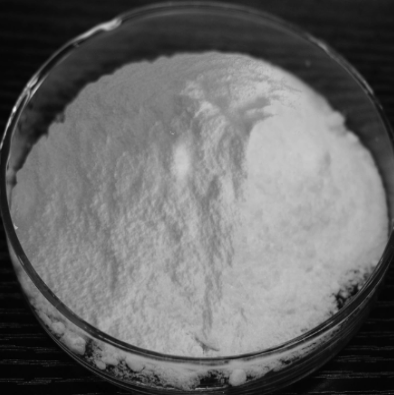
4-Nitrophenyl-alpha-D-galactopyranoside CAS:7493-95-0
4-Nitrophenyl-alpha-D-glucopyranoside is a chemical compound that is commonly used in biochemical experiments and assays. It is a substrate that can be cleaved by certain enzymes, such as glycosidases, to release a detectable product. Its structure consists of a glucose molecule (alpha-D-glucose) linked to a 4-nitrophenyl group. This compound is often used to study and measure the activity of enzymes involved in carbohydrate metabolism and glycosylation processes. Its yellow color allows for easy detection and quantification, making it a useful tool in various biochemical and enzymatic assays.