-
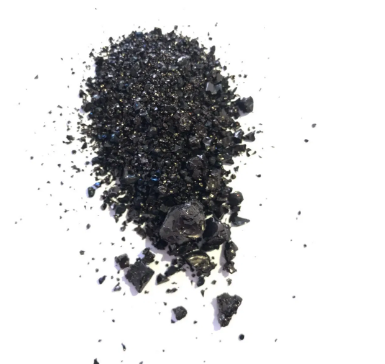
Nigrosine (C.I. 50420) (Acid Black 2) CAS:8005-03-6
Nigrosine, also known as CI 50420 or Acid Black 2, is a synthetic black dye. It is commonly used in the textile industry to dye fibers, fabrics, and leather. Nigrosine dyes are also utilized in laboratory applications as a staining agent for biological specimens and in histology for tissue staining. These dyes are known for their deep black color and are widely used for various coloring purposes.
-
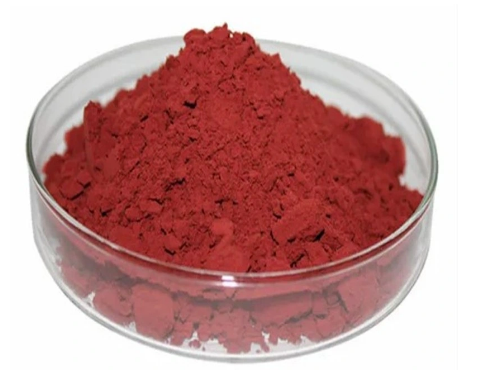
Acid Red 1 CAS:3734-67-6 Manufacturer Price
Acid Red 1, also known as Ponceau 4R or C.I. 16255, is a synthetic dye commonly used as a food coloring agent. It imparts a vibrant red color and is often used in foods, beverages, and pharmaceutical products. Due to its red hue, Acid Red 1 is also used in cosmetic and textile industries, and as a dye for various biological staining applications.
-

o-Cresolphthalein Complexone CAS:2411-89-4
o-Cresolphthalein Complexone is a complexometric indicator that is commonly used to determine the endpoint of titrations involving metal ions, particularly in the analysis of water hardness. It changes color in the presence of metal ions, making it a useful tool in analytical chemistry for detecting and quantifying metal ions in solution.
-
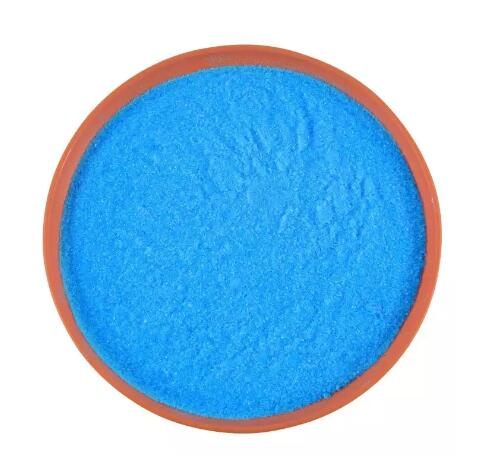
Alkali Blue 6B CAS:1324-80-7 Manufacturer Price
Alkali Blue 6B, also known as C.I. 42755, is a synthetic dye belonging to the class of triarylmethane dyes. It is commonly used in applications such as histology and microscopy for staining biological samples. Alkali Blue 6B is a versatile dye that can be used to visualize specific elements and structures within cells and tissues, making it a valuable tool in biological and medical research. Its chemical properties and staining characteristics make it suitable for various laboratory applications, aiding in tasks such as cell identification and localization of cellular components.
-
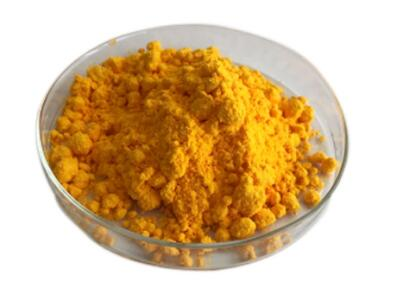
Orange II sodium salt CAS:633-96-5
Orange II sodium salt, also known as Orange II or Acid Orange 7, is an organic compound often used as a dye in various industries. With its bright orange color, it finds applications as a colorant in textiles, inks, and some cosmetics. Additionally, it is utilized as a staining agent in biological and histological processes, particularly in the context of microscopy and cellular analysis.
From a chemical perspective, Orange II sodium salt belongs to the azo dye class and is water-soluble. Its vivid hue makes it suitable for a range of aesthetic applications, contributing to the visual appeal of products in which it is used.
-
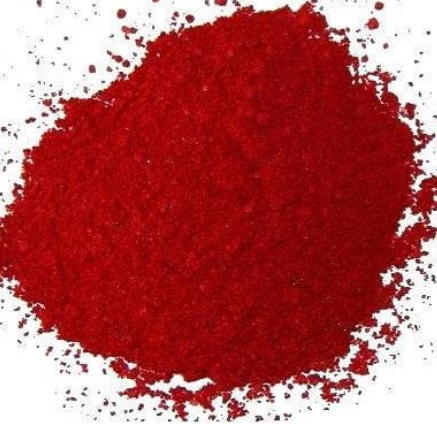
Allura red CAS:25956-17-6 Manufacturer Price
Allura red, also known as Red 40, is a synthetic red azo dye most commonly used as a food coloring. It is often added to a variety of food and beverage products, including candy, desserts, snacks, and beverages to impart a vibrant red color.
-
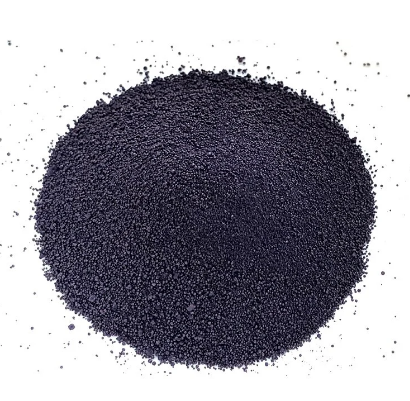
Eriochrome blue black R CAS:2538-85-4
Eriochrome Blue Black R is a chemical compound commonly used as an indicator in complexometric titrations. It is a blue to black solid and changes color depending on the pH of the solution. In its acidic form, it appears blue, while in its alkaline form, it turns to purple or pink. This color change makes it useful for determining the endpoint of titrations involving metal ions, particularly the determination of water hardness. Eriochrome Blue Black R is also employed in the analysis of soil and water samples for metal content.
.
-
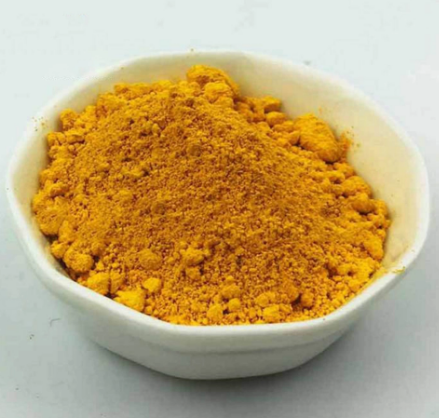
Fluorescein CAS:2321-07-5 Manufacturer Price
Fluorescein is a synthetic organic compound with notable fluorescent properties. It is commonly used as a fluorescent tracer in various applications, such as in dye lasers, biological staining, and as a marker in ophthalmic procedures. Fluorescein is known for its bright green fluorescence when exposed to light, which makes it valuable for visualizing and tracking biological processes and structures.
.
-

Glyoxalbis(2-hydroxyanil) CAS:1149-16-2
Glyoxalbis(2-hydroxyanil) is a chemical compound derived from glyoxal and 2-hydroxyaniline. It is commonly used as a crosslinking agent in the production of resins and adhesives. This compound has the ability to form strong, durable bonds between polymers, making it useful in various industrial applications such as coatings, textiles, and plastics.
-
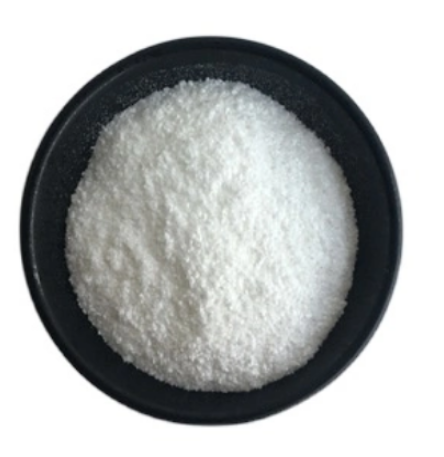
L-Ascorbic acid CAS:50-81-7 Manufacturer Price
L-Ascorbic acid, also known as vitamin C, is an essential nutrient with antioxidant properties. It plays a key role in maintaining the health of the skin, bones, and blood vessels. It is commonly found in fruits and vegetables and is also available as a dietary supplement. L-ascorbic acid is important for the immune system, as it helps the body combat infections and supports overall health. Additionally, it promotes the absorption of iron from plant-based foods and contributes to the production of collagen, a vital protein for skin and connective tissue.
-
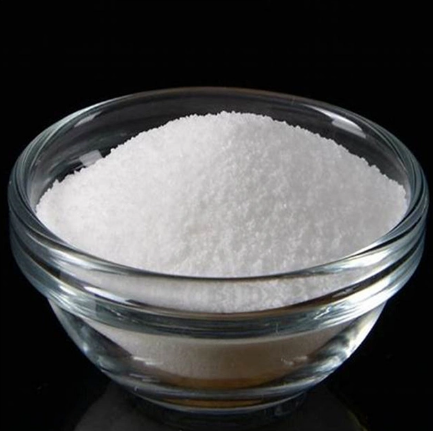
Adenine CAS:73-24-5 Manufacturer Price
Adenine is one of the four nucleobases found in DNA and RNA. It is a purine derivative and pairs with thymine in DNA and with uracil in RNA. Adenine plays a crucial role in genetic coding and protein synthesis. Its chemical structure consists of a fused double-ring system and it is represented by the letter “A” in genetic sequences.
-

Bismarck Brown Y (C.I. 21000) CAS:10114-58-6
Bismarck Brown Y, also known as C.I. 21000, is a synthetic organic compound that belongs to the class of azo dyes. It is commonly used as a biological stain in histology and cytology. Bismarck Brown Y is known for its ability to selectively stain tissues and cell structures, making it useful for microscopic examination and research purposes. It has a reddish-brown color and is often applied in combination with other stains to differentiate various cellular components. Additionally, Bismarck Brown Y has been used in biomedical research and as a dye in the textile industry.

