-
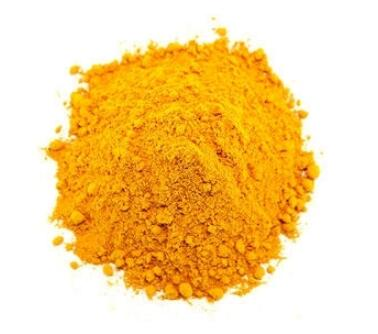
Curcumin CAS:458-37-7 Manufacturer Price
Curcumin is a naturally occurring chemical compound found in the turmeric plant. It is known for its bright yellow color and is often used as a food coloring agent and in traditional medicine for its potential health benefits. Curcumin has been the subject of numerous studies for its antioxidant and anti-inflammatory properties, and it is a well-known ingredient in dietary supplements and herbal remedies.
-
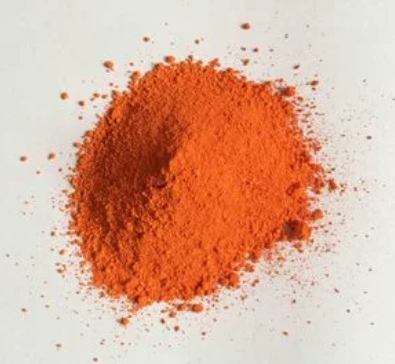
Orange G CAS:1936-15-8 Manufacturer Price
Orange G is a synthetic azo dye that is commonly used as a pH indicator and textile dye. It appears as a dark orange powder and is often employed in the laboratory to determine the pH of solutions. In the textile industry, Orange G is utilized to color nylon and silk fibers. The dye is also used in the food industry, particularly for coloring products such as smoked fish and cheese.
-
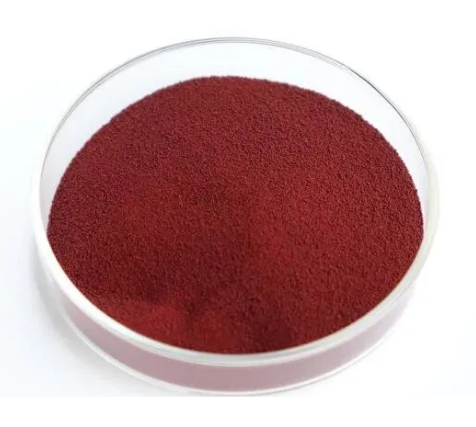
Amaranth CAS:915-67-3 Manufacturer Price
Amaranth is a plant with vibrant flowers, nutritious edible leaves, and seeds. Both the leaves and seeds are rich in nutrients, and the seeds can be ground into flour or popped. Amaranth is a good source of protein, fiber, and various vitamins and minerals, making it a valuable addition to a balanced diet. It’s also gluten-free and has been used in traditional medicine for its potential health benefits.
-
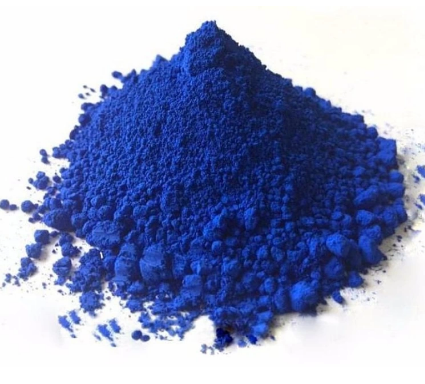
Aniline Blue CAS:28631-66-5 Manufacturer Price
Aniline Blue is a synthetic dye used in the textile industry to impart a blue color to fabrics. It is also used in some scientific and laboratory applications as a biological stain to highlight specific cellular structures.
-
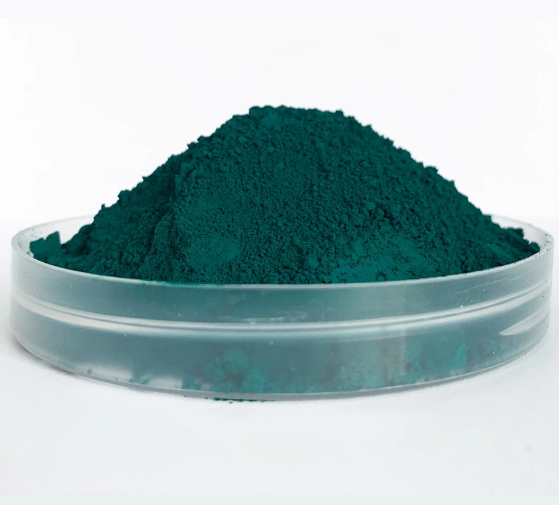
Azure B, certified CAS:531-55-5 Manufacturer Price
Azure B is a synthetic dye that is commonly used to achieve a vibrant blue color in various applications, including the dyeing of textiles such as wool, silk, and nylon. Known for its color fastness, it can produce a range of blue shades depending on its concentration and the dyeing method used.
-
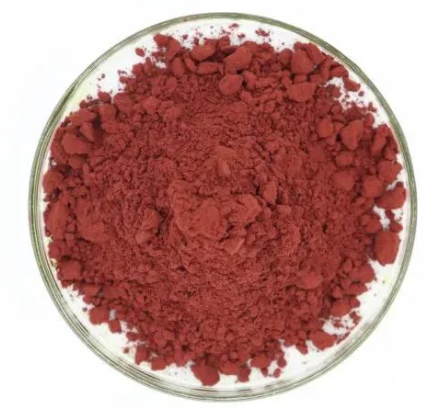
Bromophenol Red CAS:2800-80-8 Manufacturer Price
Bromophenol red is a pH indicator that changes color based on the acidity or alkalinity of a solution. It is commonly used in laboratory settings to visually determine the pH of a solution, often appearing yellow in acidic conditions and blue in alkaline conditions. Additionally, bromophenol red has applications in biological and biochemical research, such as in electrophoresis to track the progress of DNA or protein separation.
-

Cardiogreen CAS:3599-32-4 Manufacturer Price
Cardiogreen is a dye that is used in medical imaging procedures to assess cardiac output and liver function. It is injected into the bloodstream and then tracked as it moves through the body, allowing medical professionals to evaluate blood flow within the heart and liver. Cardiogreen is also used in ophthalmic angiography to visualize blood flow in the choroid and retinal vessels.
-
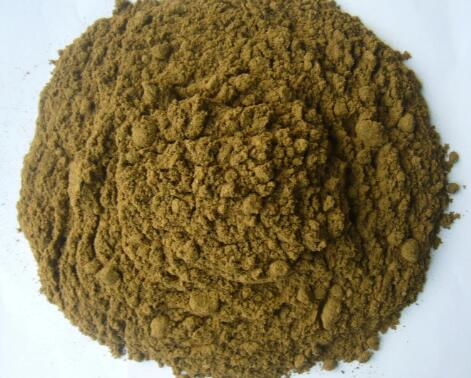
Celestine blue B CAS:1562-90-9 Manufacturer Price
Celestine blue B is a synthetic textile dye that belongs to the class of acid dyes. It is commonly used to dye various types of fibers, including wool, silk, and nylon. Celestine blue B is known for its bright blue color and is used in the textile industry for coloring fabrics, yarns, and garments.
-

Clozapine N-oxide CAS:34233-69-7 Manufacturer Price
Clozapine N-oxide is a pharmacologically active metabolite of clozapine, a medication used in the treatment of schizophrenia. It acts as a partial agonist at dopamine receptors and has been studied for its potential as an antipsychotic agent.
-
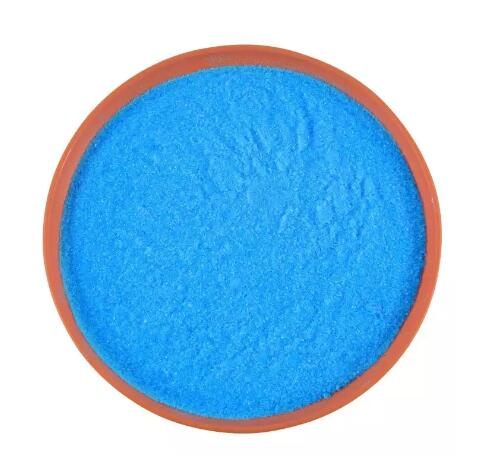
Alkali Blue 6B CAS:1324-80-7 Manufacturer Price
Alkali Blue 6B, also known as C.I. 42755, is a synthetic dye belonging to the class of triarylmethane dyes. It is commonly used in applications such as histology and microscopy for staining biological samples. Alkali Blue 6B is a versatile dye that can be used to visualize specific elements and structures within cells and tissues, making it a valuable tool in biological and medical research. Its chemical properties and staining characteristics make it suitable for various laboratory applications, aiding in tasks such as cell identification and localization of cellular components.
-
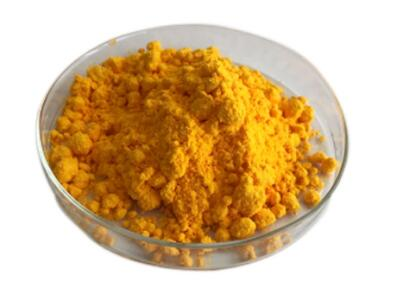
Orange II sodium salt CAS:633-96-5
Orange II sodium salt, also known as Orange II or Acid Orange 7, is an organic compound often used as a dye in various industries. With its bright orange color, it finds applications as a colorant in textiles, inks, and some cosmetics. Additionally, it is utilized as a staining agent in biological and histological processes, particularly in the context of microscopy and cellular analysis.
From a chemical perspective, Orange II sodium salt belongs to the azo dye class and is water-soluble. Its vivid hue makes it suitable for a range of aesthetic applications, contributing to the visual appeal of products in which it is used.
-
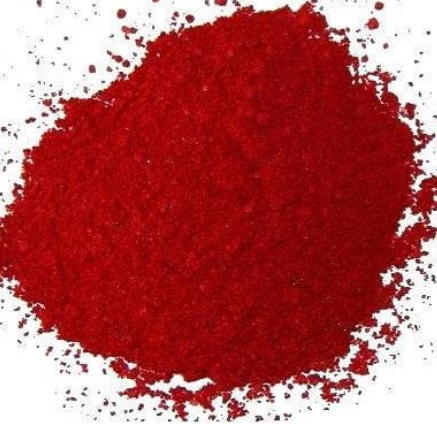
Allura red CAS:25956-17-6 Manufacturer Price
Allura red, also known as Red 40, is a synthetic red azo dye most commonly used as a food coloring. It is often added to a variety of food and beverage products, including candy, desserts, snacks, and beverages to impart a vibrant red color.

