-

Glyoxalbis(2-hydroxyanil) CAS:1149-16-2
Glyoxalbis(2-hydroxyanil) is a chemical compound derived from glyoxal and 2-hydroxyaniline. It is commonly used as a crosslinking agent in the production of resins and adhesives. This compound has the ability to form strong, durable bonds between polymers, making it useful in various industrial applications such as coatings, textiles, and plastics.
-
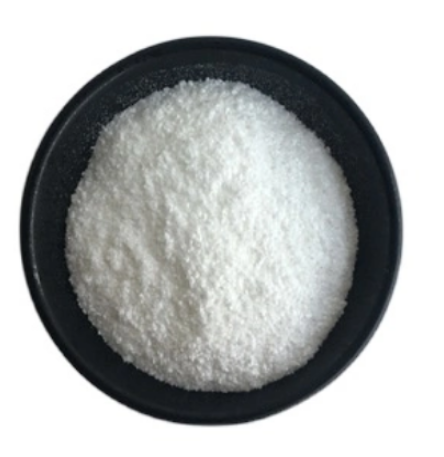
L-Ascorbic acid CAS:50-81-7 Manufacturer Price
L-Ascorbic acid, also known as vitamin C, is an essential nutrient with antioxidant properties. It plays a key role in maintaining the health of the skin, bones, and blood vessels. It is commonly found in fruits and vegetables and is also available as a dietary supplement. L-ascorbic acid is important for the immune system, as it helps the body combat infections and supports overall health. Additionally, it promotes the absorption of iron from plant-based foods and contributes to the production of collagen, a vital protein for skin and connective tissue.
-
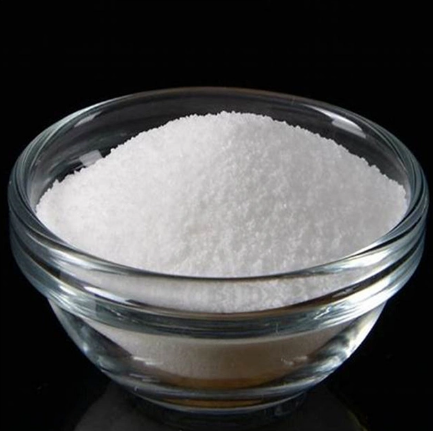
Adenine CAS:73-24-5 Manufacturer Price
Adenine is one of the four nucleobases found in DNA and RNA. It is a purine derivative and pairs with thymine in DNA and with uracil in RNA. Adenine plays a crucial role in genetic coding and protein synthesis. Its chemical structure consists of a fused double-ring system and it is represented by the letter “A” in genetic sequences.
-

Bismarck Brown Y (C.I. 21000) CAS:10114-58-6
Bismarck Brown Y, also known as C.I. 21000, is a synthetic organic compound that belongs to the class of azo dyes. It is commonly used as a biological stain in histology and cytology. Bismarck Brown Y is known for its ability to selectively stain tissues and cell structures, making it useful for microscopic examination and research purposes. It has a reddish-brown color and is often applied in combination with other stains to differentiate various cellular components. Additionally, Bismarck Brown Y has been used in biomedical research and as a dye in the textile industry.
-
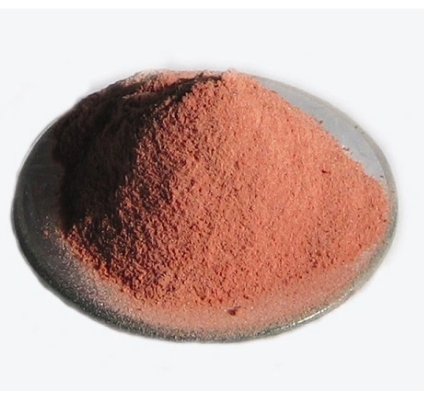
Calcein CAS:1461-15-0 Manufacturer Price
Calcein is a fluorescent dye commonly used in cell biology and related scientific research. It can be employed to label and track live cells, measure cell viability, and visualize cell structures and organelles. Calcein is popular for its ability to emit a bright green fluorescence, making it valuable in various assays and imaging techniques.
-
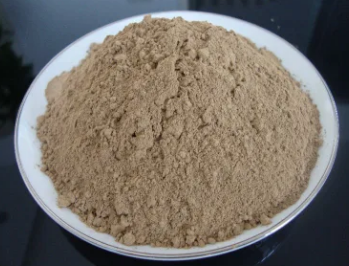
Proteinase,Streptomyces griseus CAS:9036-06-0
Proteinase produced by Streptomyces griseus is an enzyme that belongs to the class of proteases, also known as proteinases or peptidases. Proteases are enzymes that catalyze the hydrolysis of peptide bonds in proteins, leading to their breakdown into smaller peptides or amino acids.
The proteinase produced by Streptomyces griseus is specifically derived from this bacterium. Streptomyces griseus is a Gram-positive, filamentous bacterium that is known to produce various enzymes and antibiotics. The proteinase produced by this bacterium is characterized by its ability to cleave peptide bonds in proteins, resulting in their degradation.
Proteinases from Streptomyces griseus have been widely studied for their industrial applications, such as in the food industry for meat tenderization and cheese production. They are also used in various biotechnological processes, including protein engineering, protein digestion for analysis, and in the production of bioactive peptides.
-
RNase A from bovine pancreas CAS:9001-99-4
RNase A, also known as ribonuclease A, is an enzyme derived from the pancreas of bovine (cow) animals. It is a small protein that specifically targets and degrades the RNA molecules present in cells. RNase A is commonly used in molecular biology research to remove or degrade RNA from DNA samples in order to study and manipulate DNA without interference from RNA. It is also used in RNA purification processes, such as RNA extraction and RNA sequencing, to eliminate RNA contaminants and obtain pure RNA samples. RNase A has high specificity for single-stranded RNA and functions optimally under mild acidic conditions. It is widely used in various laboratory techniques and applications involving nucleic acids.
-
superoxide dismutase CAS:9054-89-1
Superoxide dismutase (SOD) is an enzyme that plays a crucial role in the antioxidant defense system of cells. Its primary function is to catalyze the conversion of superoxide radicals into hydrogen peroxide and molecular oxygen. This reaction helps protect cells from highly reactive and damaging free radicals produced during various metabolic processes.
Superoxide radicals are generated as byproducts of processes such as respiration and inflammation, and they can cause cellular damage by promoting oxidative stress. SOD helps mitigate this damage by rapidly transforming superoxide radicals into less harmful hydrogen peroxide, which can be further broken down by other enzymes.
There are different forms of SOD, including copper/zinc SOD (Cu/Zn SOD), manganese SOD (Mn SOD), and extracellular SOD (EC SOD), each found in different cellular compartments. The presence of SOD in cells is crucial for maintaining proper oxidative balance and preventing oxidative damage to important cellular components, such as DNA, proteins, and lipids.
-
Triphosphopyridine nucleotide disodium salt CAS:24292-60-2
Triphosphopyridine nucleotide disodium salt, also known as NADP+, is a molecule that serves as a coenzyme involved in several essential cellular processes. It functions mainly in redox reactions, where it acts as a carrier of reducing equivalents during metabolic processes. NADP+ is a derivative of niacin (vitamin B3) and is crucial for various biochemical pathways, including energy production and antioxidant defense. Its sodium salt form, triphosphopyridine nucleotide disodium salt, is often used in research and laboratory settings to manipulate cellular processes.
-
Trypsin inhibitor CAS:9035-81-8 Manufacturer Price
A trypsin inhibitor is a protein or peptide molecule that inhibits or blocks the activity of the enzyme trypsin. Trypsin is a digestive enzyme responsible for breaking down proteins in the digestive system. Trypsin inhibitors are naturally occurring compounds found in various plant and animal sources, such as soybeans, potatoes, and eggs. They play a role in regulating trypsin activity and can have potential applications in research, as well as in industries like food processing, agriculture, and pharmaceuticals.
-
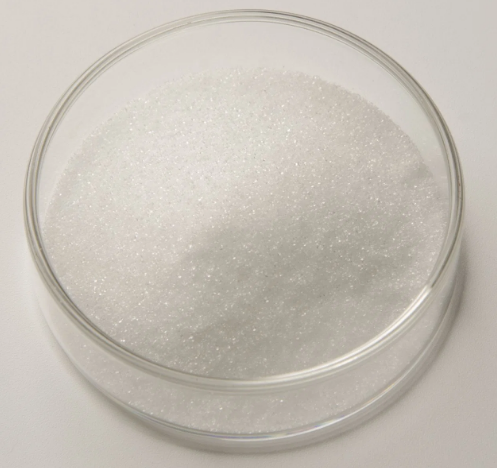
3-Hydroxy-4,5-bis(hydroxymethyl)-2-methylpyridine CAS:65-23-6
3-Hydroxy-4,5-bis(hydroxymethyl)-2-methylpyridine is a chemical compound with the molecular formula C8H11NO3. It is a derivative of pyridine and contains hydroxyl and methyl groups. This compound may have potential applications in pharmaceuticals or organic synthesis due to its unique structure and functional groups.
-
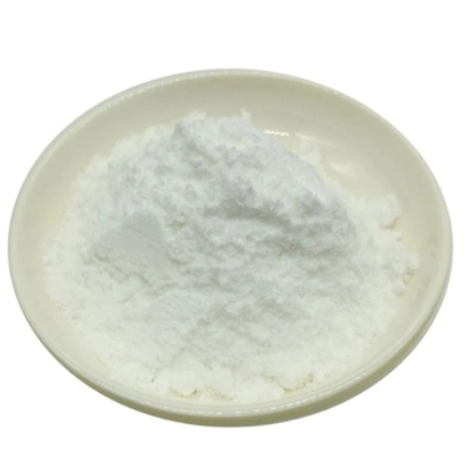
Papain CAS:9001-73-4 Manufacturer Price
Papain is a proteolytic enzyme derived from the papaya fruit (Carica papaya). It belongs to the family of cysteine proteases and has the ability to break down proteins into smaller peptides and amino acids. Papain is widely used in various industries, including food, pharmaceuticals, and cosmetics, due to its digestive, anti-inflammatory, and exfoliating properties. It is commonly used as a meat tenderizer, digestive aid, wound healer, and ingredient in skincare products.

