-
D-Proline CAS:344-25-2 Manufacturer Price
D-Proline is an isomer of the amino acid proline, which means it has the same chemical formula but a different arrangement of atoms. It is not as commonly found in natural proteins as its L-Proline counterpart. D-Proline is primarily used in scientific research, drug synthesis, and as a chiral building block in organic chemistry.
.
-

D-Tryptophan CAS:153-94-6 Manufacturer Price
D-Tryptophan is an enantiomer of the amino acid L-Tryptophan. It is a naturally occurring compound found in foods and is a precursor to serotonin and melatonin in the body. Similar to L-Tryptophan, D-Tryptophan can potentially have effects on mood regulation, sleep improvement, appetite control, stress reduction, and athletic performance.
.
-
D-Tyrosine CAS:556-02-5 Manufacturer Price
D-Tyrosine is a D-isomer of tyrosine. D-Tyrosine negatively regulates melanin synthesis by inhibiting Chemicalbook activity of tyrosinase. D-Tyrosine inhibits biofilm formation and triggers self-diffusion of the biofilm without inhibiting bacterial growth.
-
D-Valine CAS:640-68-6 Manufacturer Price
D-Valine is an isomer of the amino acid Valine, with different spatial arrangement. It is a non-essential amino acid that is naturally found in plant and animal proteins.
-
L-Asparagine anhydrous CAS:70-47-3 Manufacturer Price
L-Asparagine as the Nutritional supplement. and sugar common heat for amino a carbonyl reaction, can form special flavoring substances. Used to cool and refreshing drink.
Used in biochemical research and as a treatment for myocardial infarction, myocardial metabolic disorders, heart failure, heart block, fatigue syndrome.
.
-
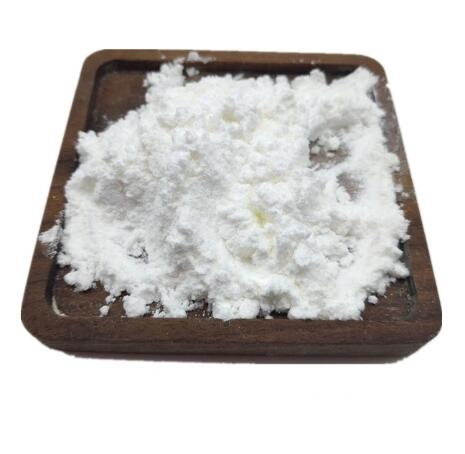
L-Aspartic acid CAS:56-84-8 Manufacturer Price
L-aspartate acid is widely used in medicine, food and chemical industry. In medicine, can be used to treat heart disease, liver disease, hypertension Chemicalbook, has the effect of preventing and restoring fatigue, and a variety of amino acids together, made of amino acid infusion, used as ammonia antidote, liver function promoter and fatigue recovery agent.
.
-
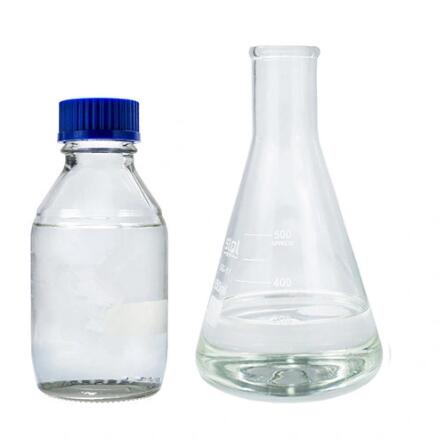
2-Oxobutyric acid CAS:600-18-0 Manufacturer Price
2-Oxobutyric acid is an organic compound with the chemical formula C4H6O3. It is also known as α-ketobutyric acid or α-oxobutyric acid. It is a colorless liquid with a sour odor.
2-Oxobutyric acid is a key intermediate in several metabolic pathways, including the breakdown of certain amino acids such as valine and leucine. It is produced during the oxidative decarboxylation of these amino acids.
The compound has a role in the body’s energy metabolism, as it can be converted into acetyl-CoA, a molecule that plays a crucial role in the citric acid cycle (also known as the Krebs cycle) for energy production.
2-Oxobutyric acid can also be used as a precursor in the synthesis of various organic compounds, including pharmaceuticals and flavoring agents. It has been studied for its potential therapeutic effects on certain neurological disorders and cancer treatment.
-
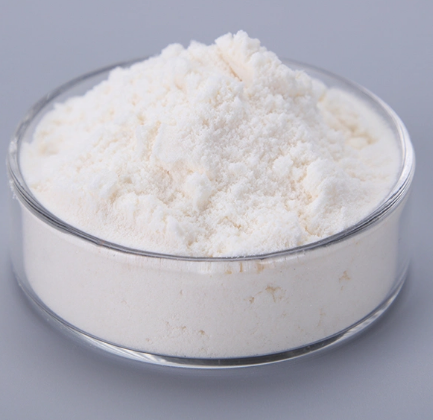
2-Amino-3-(4-hydroxyphenyl)propanoic acid CAS:556-03-6
2-Amino-3-(4-hydroxyphenyl)propanoic acid, also known as L-DOPA or levodopa, is an amino acid precursor to dopamine, a neurotransmitter involved in various physiological functions, including motor control, mood regulation, and reward systems. L-DOPA is primarily used as a medication for the treatment of Parkinson’s disease, a neurodegenerative disorder characterized by a deficiency of dopamine in the brain. It is typically administered in combination with a peripheral decarboxylase inhibitor to prevent its conversion to dopamine outside the brain. L-DOPA can help alleviate the motor symptoms of Parkinson’s disease, such as tremors, rigidity, and bradykinesia.
-
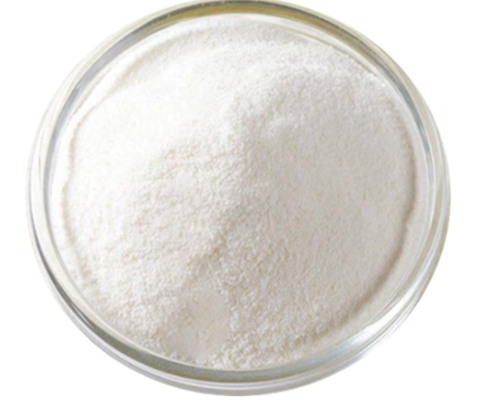
N-(3-Sulfopropyl)-3,3,5,5-tetramethylbenzidine sodium salt CAS:102062-46-4
N-(3-Sulfopropyl)-3,3,5,5-tetramethylbenzidine sodium salt is a chemical compound commonly used in various laboratory applications. It is a water-soluble derivative of tetramethylbenzidine (TMB) that contains a sulfopropyl group.
This compound is often employed as a substrate in colorimetric assays to detect the presence of enzymes such as peroxidases or horseradish peroxidase (HRP). When these enzymes are present, they can catalyze a reaction with N-(3-Sulfopropyl)-3,3,5,5-tetramethylbenzidine sodium salt, leading to the generation of a colored product. The intensity of the color is directly proportional to the enzymatic activity, allowing for the quantification of the enzyme or the detection of specific substrates.
The water solubility of N-(3-Sulfopropyl)-3,3,5,5-tetramethylbenzidine sodium salt makes it convenient for use in aqueous solutions and compatible with various assay systems. Its sulfopropyl group enhances the solubility and stability of the compound, enabling efficient and reliable detection in enzymatic assays.
-
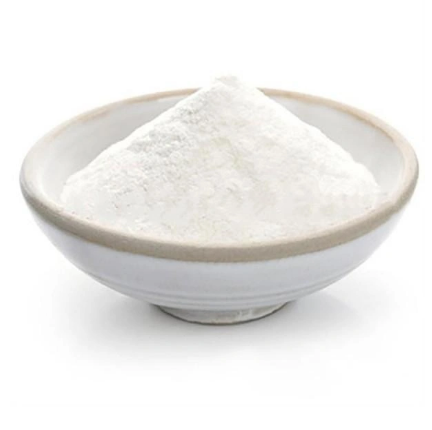
N-(4-Aminobutyl)-N-ethylisoluminol CAS:66612-29-1
N-(4-Aminobutyl)-N-ethylisoluminol is a chemical compound commonly used as a substrate in chemiluminescence-based assays. It belongs to the class of luminol derivatives.This compound can undergo a chemical reaction in the presence of an oxidizing agent, such as hydrogen peroxide or an enzyme catalyst. This reaction generates a luminescent signal that can be detected using specialized instrumentation or imaging systems.N-(4-Aminobutyl)-N-ethylisoluminol is frequently used in scientific research and diagnostic applications to detect and quantify the presence of specific molecules or analytes. Its chemiluminescent properties make it useful for various applications including immunoassays, DNA probes, and detection of reactive oxygen species.
-
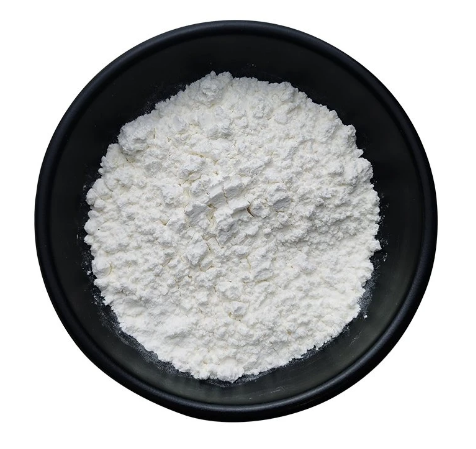
N,N,N’,N’-Tetramethyl-p-phenylenediamine dihydrochloride CAS:637-01-4
N,N,N’,N’-Tetramethyl-p-phenylenediamine dihydrochloride, commonly referred to as TMPD, is a chemical compound that is widely used in various applications, including analytical chemistry, biochemistry, and materials science. TMPD is a solid crystalline powder that is soluble in water and commonly appears as a white to off-white color.
One of the primary uses of TMPD is as an electron donor in redox reactions. Due to its ability to donate electrons, it is commonly employed as a co-reductant in redox enzyme assays and as an electrochemical mediator in dye-sensitized solar cells. It aids in the conversion of chemical energy to electrical energy.
TMPD is also used as a substrate in the determination of oxidative enzymes such as peroxidases and laccases. It undergoes oxidation in the presence of these enzymes, resulting in the development of a colored product. This color change can be quantitatively measured spectrophotometrically to determine the activity and concentration of the respective enzyme.
Moreover, TMPD has applications in materials science, particularly in the field of conductive polymers and organic electronics. It has been utilized as a dopant in the synthesis of conductive polymers, enhancing their electrical conductivity. It can also act as a charge transport material in organic electronic devices like organic field-effect transistors (OFETs) and organic photovoltaics (OPVs).
-
![N-[[bis[4-(dimethylamino)phenyl]amino]carbonyl]glycine sodium salt CAS:115871-19-7](https://cdn.globalso.com/xindaobiotech/图片2412.png)
N-[[bis[4-(dimethylamino)phenyl]amino]carbonyl]glycine sodium salt CAS:115871-19-7
N-[[bis[4-(dimethylamino)phenyl]amino]carbonyl]glycine sodium salt is a chemical compound with a complex name. It is commonly used as a fluorescent label in biological research and as a building block in organic synthesis. The compound is typically in the form of a sodium salt for better solubility in water. Its main applications include labeling proteins, peptides, and nucleic acids for visualization and detection purposes in various laboratory techniques such as microscopy, gel electrophoresis, and flow cytometry. Additionally, it can be used as a chemical reagent in organic chemistry reactions to introduce the N-[[bis[4-(dimethylamino)phenyl]amino]carbonyl]glycine moiety into molecules.

