-
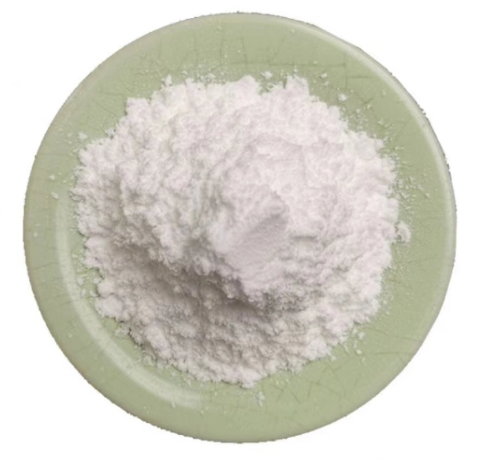
Wortmannin CAS:19545-26-7 Manufacturer Price
Wortmannin is a naturally occurring chemical compound that is commonly used in laboratory research to study various cellular processes. It is a potent inhibitor of phosphoinositide 3-kinase (PI3K), an enzyme involved in various signaling pathways within cells.
By inhibiting PI3K, wortmannin can effectively block the activity of downstream signaling molecules and pathways that rely on PI3K. This allows researchers to investigate the roles that PI3K and its associated pathways play in processes such as cell growth, proliferation, apoptosis, intracellular trafficking, and membrane dynamics.
Wortmannin has been widely used in studies to understand the molecular mechanisms of various diseases, including cancer, inflammation, autoimmune disorders, and neurodegenerative diseases. It can help researchers identify potential therapeutic targets and develop new treatment strategies for these conditions.
-
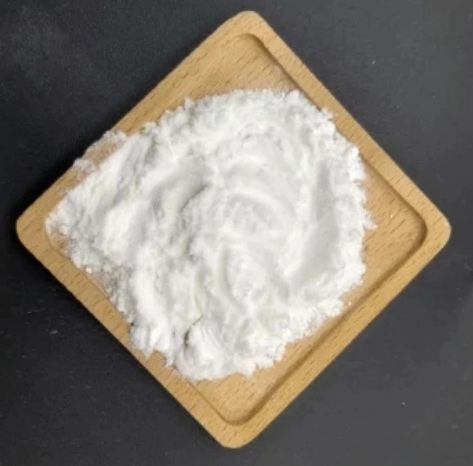
L-Arginine CAS:74-79-3 Manufacturer Price
L-Arginine is an amino acid that the body uses to produce nitric oxide, which helps relax and widen blood vessels. This can improve blood flow, enhance exercise performance, support immune function, potentially treat erectile dysfunction, regulate blood pressure, and provide antioxidant benefits.
-
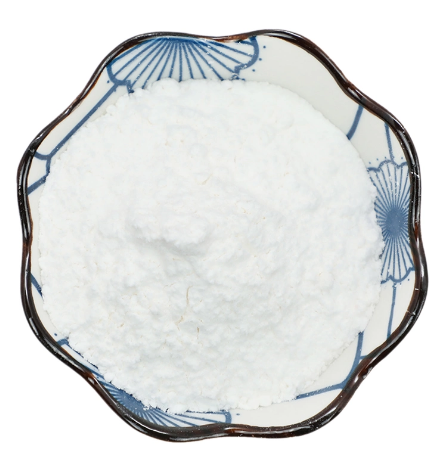
β-Alanine CAS:107-95-9 Manufacturer Price
β-Alanine is a non-essential amino acid commonly found in protein-rich foods like meat and poultry. It plays a crucial role in the production of carnosine, a compound that helps buffer the accumulation of acid in muscles during intense exercise. This buffering effect can delay the onset of fatigue and improve exercise performance, particularly in high-intensity, short-duration activities like weightlifting or sprinting. β-Alanine is commonly used as a supplement by athletes and fitness enthusiasts looking to enhance their performance and increase muscle endurance.
-
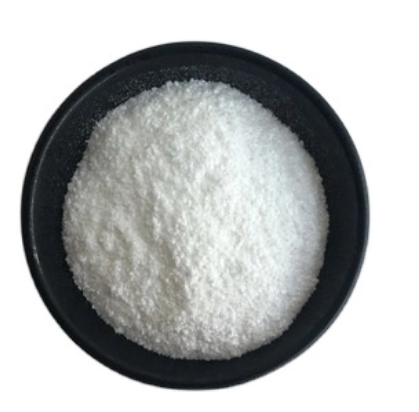
L-Cysteine hydrochloride anhydrous CAS:52-89-1
L-Cysteine hydrochloride anhydrous is a salt form of the amino acid L-cysteine. It is a white, crystalline powder that is soluble in water. L-Cysteine is a non-essential amino acid, meaning that it can be synthesized by the body, but it can also be obtained through dietary sources. L-Cysteine plays a vital role in various biological processes, serving as a precursor for the antioxidant glutathione and aiding in the synthesis of proteins. L-Cysteine hydrochloride anhydrous is commonly used as a dietary supplement and is also used in the food and pharmaceutical industries as a flavor enhancer, reducing agent, and as a precursor for the production of various chemicals.
-
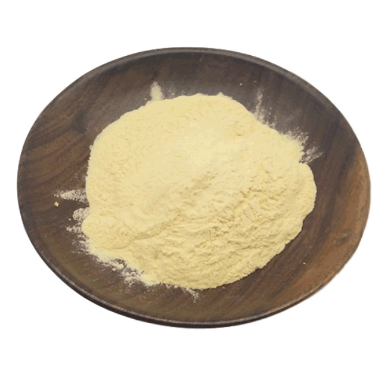
Amphotericin B CAS:1397-89-3 Manufacturer Price
Amphotericin B is an antifungal medication used to treat serious fungal infections. It works by binding to the fungal cell membrane, causing damage and ultimately killing the fungus. It is primarily used for infections caused by Candida and Aspergillus species, as well as some other fungal pathogens. Amphotericin B is typically administered intravenously and is often reserved for severe or life-threatening fungal infections due to its potency.
-
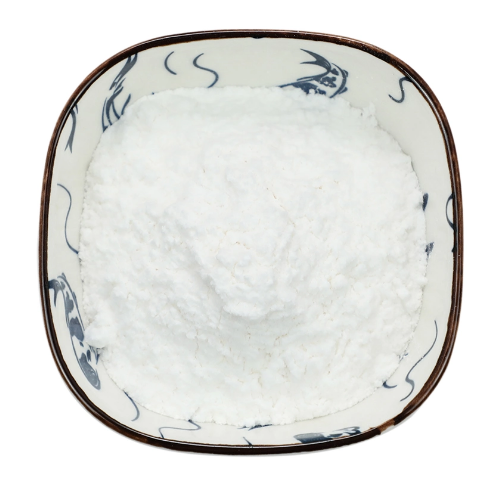
L-Cysteine CAS:52-90-4 Manufacturer Price
L-Cysteine is a non-essential amino acid that plays important roles in the human body. It is involved in protein synthesis, detoxification, and the formation of antioxidants. L-Cysteine also serves as a building block for the production of glutathione, a powerful antioxidant that helps protect cells from damage caused by free radicals. Additionally, L-Cysteine has been used in food and cosmetic industries as a flavor enhancer and dough conditioner. It can be found in certain dietary supplements and natural food sources such as eggs, poultry, and legumes.
-
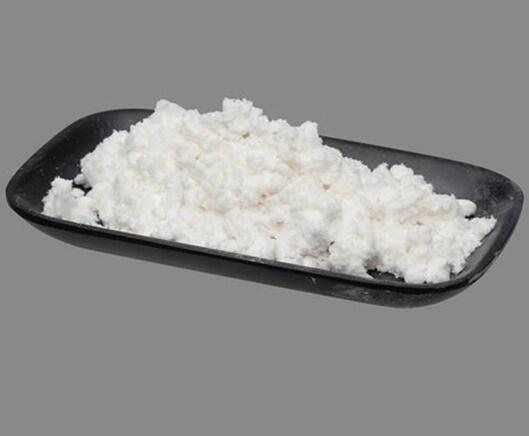
Ampicillin sodium salt CAS:69-52-3 Manufacturer Price
Ampicillin sodium is a broad-spectrum antibiotic that belongs to the penicillin class of drugs. It is effective against various bacteria, including both Gram-positive and Gram-negative species. Ampicillin sodium works by inhibiting the synthesis of bacterial cell walls, leading to the destruction of the bacteria.
This antibiotic is commonly used for the treatment of various infections, such as respiratory tract infections, urinary tract infections, skin and soft tissue infections, gastrointestinal infections, and certain types of meningitis.
-
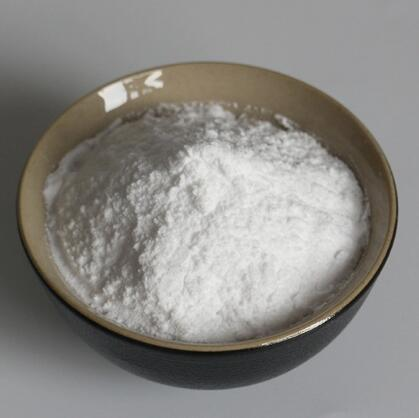
L-Cystine dihydrochloride CAS:34760-60-6
L-Cystine dihydrochloride is a compound that is derived from the amino acid L-Cysteine. It is formed by the oxidation of two L-Cysteine molecules and is commonly used as a dietary supplement or ingredient in various pharmaceutical formulations. L-Cystine dihydrochloride is known for its role in supporting hair, skin, and nail health, as well as its antioxidant properties. Additionally, it has been used in some research studies for its potential therapeutic benefits in certain medical conditions.
-

Carbenicillin disodium salt CAS:4800-94-6
Carbenicillin disodium salt is a commonly used antibiotic that belongs to the penicillin class of drugs. It has a broad spectrum of activity against both gram-positive and gram-negative bacteria. Carbenicillin disodium salt works by inhibiting the synthesis of bacterial cell walls, leading to the death of the bacteria.
-
L-Cystine CAS:56-89-3 Manufacturer Price
L-Cysteine is a non-essential amino acid that plays important roles in the human body. It is involved in protein synthesis, detoxification, and the formation of antioxidants. L-Cysteine also serves as a building block for the production of glutathione, a powerful antioxidant that helps protect cells from damage caused by free radicals. Additionally, L-Cysteine has been used in food and cosmetic industries as a flavor enhancer and dough conditioner. It can be found in certain dietary supplements and natural food sources such as eggs, poultry, and legumes.
-
Chloramphenicol CAS:56-75-7 Manufacturer Price
Chloramphenicol is a broad-spectrum antibiotic that is primarily used to treat bacterial infections. It works by inhibiting the bacteria’s ability to produce essential proteins needed for their growth and survival.
Chloramphenicol is effective against a wide range of bacteria, including both Gram-positive and Gram-negative organisms. It is commonly used to treat infections such as respiratory tract infections, meningitis, typhoid fever, and certain eye infections.
-
Cytochrome C CAS:9007-43-6 Manufacturer Price
Cytochrome C is a small heme protein that plays a vital role in cellular respiration. It is found in the mitochondria, where it shuttles electrons between complexes III and IV of the electron transport chain. This electron transfer process is essential for the production of ATP, the energy currency of the cell. Additionally, cytochrome C has been implicated in various other cellular functions, including apoptosis regulation and the maintenance of redox balance. Its structure and function make it a crucial component of mitochondrial function and overall cell health.

