-
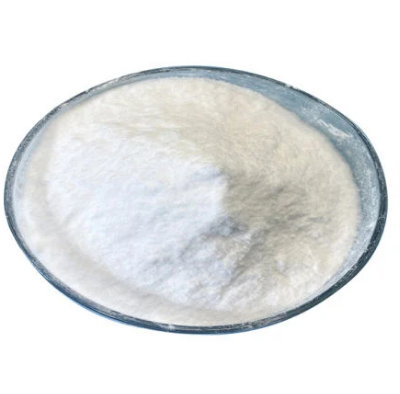
D-Tyrosine CAS:556-02-5 Manufacturer Price
D-Tyrosine is a D-isomer of tyrosine. D-Tyrosine negatively regulates melanin synthesis by inhibiting Chemicalbook activity of tyrosinase. D-Tyrosine inhibits biofilm formation and triggers self-diffusion of the biofilm without inhibiting bacterial growth.
-
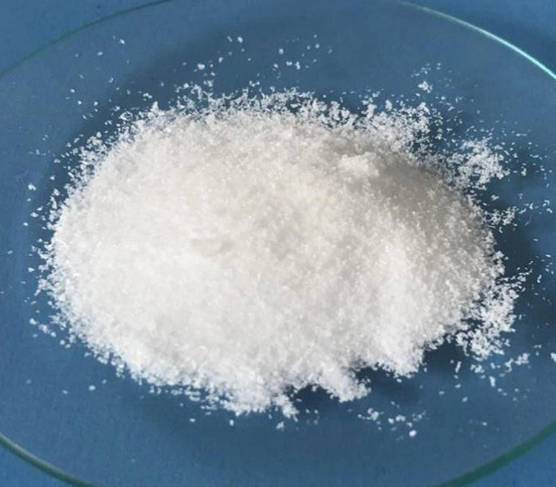
D-Valine CAS:640-68-6 Manufacturer Price
D-Valine is an isomer of the amino acid Valine, with different spatial arrangement. It is a non-essential amino acid that is naturally found in plant and animal proteins.
-
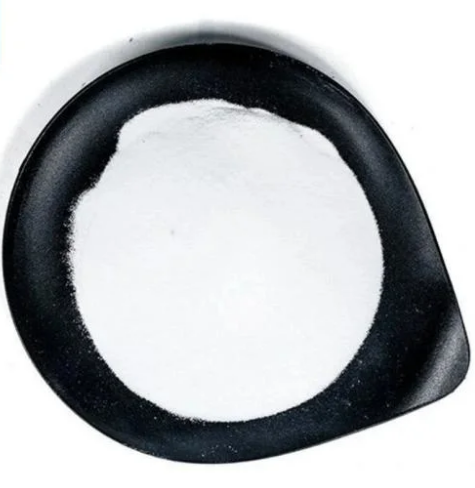
L-Asparagine anhydrous CAS:70-47-3 Manufacturer Price
L-Asparagine as the Nutritional supplement. and sugar common heat for amino a carbonyl reaction, can form special flavoring substances. Used to cool and refreshing drink.
Used in biochemical research and as a treatment for myocardial infarction, myocardial metabolic disorders, heart failure, heart block, fatigue syndrome.
.
-
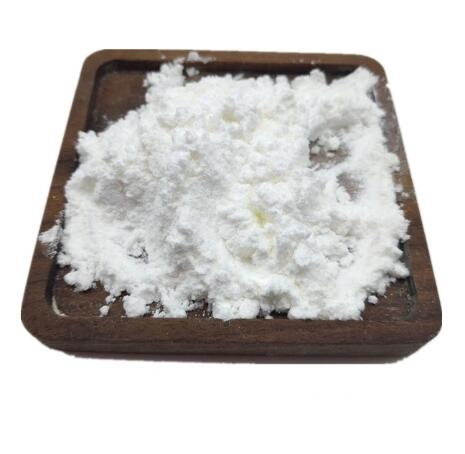
L-Aspartic acid CAS:56-84-8 Manufacturer Price
L-aspartate acid is widely used in medicine, food and chemical industry. In medicine, can be used to treat heart disease, liver disease, hypertension Chemicalbook, has the effect of preventing and restoring fatigue, and a variety of amino acids together, made of amino acid infusion, used as ammonia antidote, liver function promoter and fatigue recovery agent.
.
-
D-Aspartic acid CAS:1783-96-6 Manufacturer Price
D-Aspartic Acid is a kind of alfa amino acid. Aspartic acid is widespread in the biosynthesis of role. For mammal D-aspartic acid is nonessential,because it can be made from oxaloacetic acid by transamination. For plants and microorganisms D-aspartic acid is the raw material of several kinds of amino acids,like methionine, threonine, isoleucine and lysine.
-
D-Glutamic acid CAS:6893-26-1 Manufacturer Price
D-glutamic acid is an enantiomer of L-glutamic acid and is widely used in drugs and foods.
-
DL-Norleucine CAS:616-06-8 Manufacturer Price
DL-Norleucine is a non-sulfur analogue of methionine that stimulates the synthesis of cephalosporin C.
.
-
DL-Phenylalanine CAS:150-30-1 Manufacturer Price
DL-phenylalanine, also known as DLPA, contains different forms of essential amino acid phenylalanine.
L-form is a natural substance, usually found in protein-rich foods. L-phenylalanine is also believed to help promote the emotional promotion chemicals in the brain, such as dopamine and norepinephrine.
The “D” type of this amino acid is synthetic. D-phenylalanine is believed to affect the interpretation and response of the brain and nervous system to systemic pain.
DL-phenylalanine is used to relieve mild depression and other emotional problems, as well as physical discomfort and pain. This supplement is also used for opiu m withdrawal symptoms. DLPA is also often used in combination with other emotion-promoting supplements, and is taken in the way of promoting nerve function.
.
-
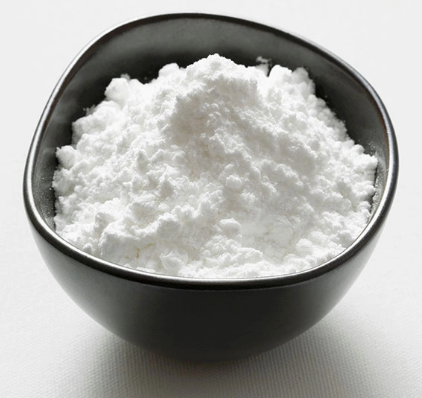
D-Proline CAS:344-25-2 Manufacturer Price
D-Proline is an isomer of the amino acid proline, which means it has the same chemical formula but a different arrangement of atoms. It is not as commonly found in natural proteins as its L-Proline counterpart. D-Proline is primarily used in scientific research, drug synthesis, and as a chiral building block in organic chemistry.
.
-

D-Tryptophan CAS:153-94-6 Manufacturer Price
D-Tryptophan is an enantiomer of the amino acid L-Tryptophan. It is a naturally occurring compound found in foods and is a precursor to serotonin and melatonin in the body. Similar to L-Tryptophan, D-Tryptophan can potentially have effects on mood regulation, sleep improvement, appetite control, stress reduction, and athletic performance.
.
-
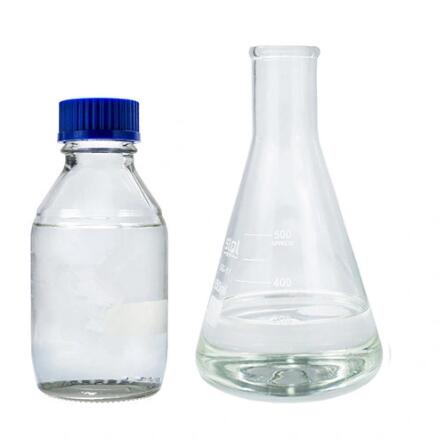
2-Oxobutyric acid CAS:600-18-0 Manufacturer Price
2-Oxobutyric acid is an organic compound with the chemical formula C4H6O3. It is also known as α-ketobutyric acid or α-oxobutyric acid. It is a colorless liquid with a sour odor.
2-Oxobutyric acid is a key intermediate in several metabolic pathways, including the breakdown of certain amino acids such as valine and leucine. It is produced during the oxidative decarboxylation of these amino acids.
The compound has a role in the body’s energy metabolism, as it can be converted into acetyl-CoA, a molecule that plays a crucial role in the citric acid cycle (also known as the Krebs cycle) for energy production.
2-Oxobutyric acid can also be used as a precursor in the synthesis of various organic compounds, including pharmaceuticals and flavoring agents. It has been studied for its potential therapeutic effects on certain neurological disorders and cancer treatment.
-
![N-[[bis[4-(dimethylamino)phenyl]amino]carbonyl]glycine sodium salt CAS:115871-19-7](https://cdn.globalso.com/xindaobiotech/图片2412.png)
N-[[bis[4-(dimethylamino)phenyl]amino]carbonyl]glycine sodium salt CAS:115871-19-7
N-[[bis[4-(dimethylamino)phenyl]amino]carbonyl]glycine sodium salt is a chemical compound with a complex name. It is commonly used as a fluorescent label in biological research and as a building block in organic synthesis. The compound is typically in the form of a sodium salt for better solubility in water. Its main applications include labeling proteins, peptides, and nucleic acids for visualization and detection purposes in various laboratory techniques such as microscopy, gel electrophoresis, and flow cytometry. Additionally, it can be used as a chemical reagent in organic chemistry reactions to introduce the N-[[bis[4-(dimethylamino)phenyl]amino]carbonyl]glycine moiety into molecules.