-
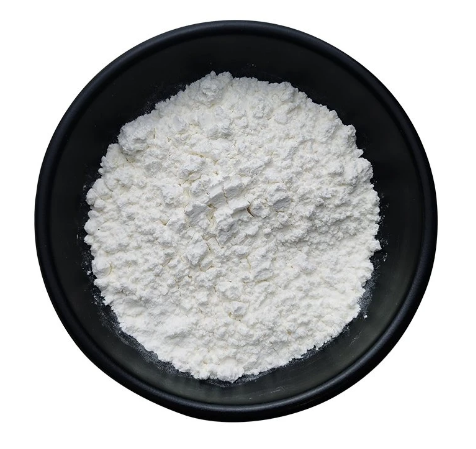
N,N,N’,N’-Tetramethyl-p-phenylenediamine dihydrochloride CAS:637-01-4
N,N,N’,N’-Tetramethyl-p-phenylenediamine dihydrochloride, commonly referred to as TMPD, is a chemical compound that is widely used in various applications, including analytical chemistry, biochemistry, and materials science. TMPD is a solid crystalline powder that is soluble in water and commonly appears as a white to off-white color.
One of the primary uses of TMPD is as an electron donor in redox reactions. Due to its ability to donate electrons, it is commonly employed as a co-reductant in redox enzyme assays and as an electrochemical mediator in dye-sensitized solar cells. It aids in the conversion of chemical energy to electrical energy.
TMPD is also used as a substrate in the determination of oxidative enzymes such as peroxidases and laccases. It undergoes oxidation in the presence of these enzymes, resulting in the development of a colored product. This color change can be quantitatively measured spectrophotometrically to determine the activity and concentration of the respective enzyme.
Moreover, TMPD has applications in materials science, particularly in the field of conductive polymers and organic electronics. It has been utilized as a dopant in the synthesis of conductive polymers, enhancing their electrical conductivity. It can also act as a charge transport material in organic electronic devices like organic field-effect transistors (OFETs) and organic photovoltaics (OPVs).
-
![N-[[bis[4-(dimethylamino)phenyl]amino]carbonyl]glycine sodium salt CAS:115871-19-7](https://cdn.globalso.com/xindaobiotech/图片2412.png)
N-[[bis[4-(dimethylamino)phenyl]amino]carbonyl]glycine sodium salt CAS:115871-19-7
N-[[bis[4-(dimethylamino)phenyl]amino]carbonyl]glycine sodium salt is a chemical compound with a complex name. It is commonly used as a fluorescent label in biological research and as a building block in organic synthesis. The compound is typically in the form of a sodium salt for better solubility in water. Its main applications include labeling proteins, peptides, and nucleic acids for visualization and detection purposes in various laboratory techniques such as microscopy, gel electrophoresis, and flow cytometry. Additionally, it can be used as a chemical reagent in organic chemistry reactions to introduce the N-[[bis[4-(dimethylamino)phenyl]amino]carbonyl]glycine moiety into molecules.
-
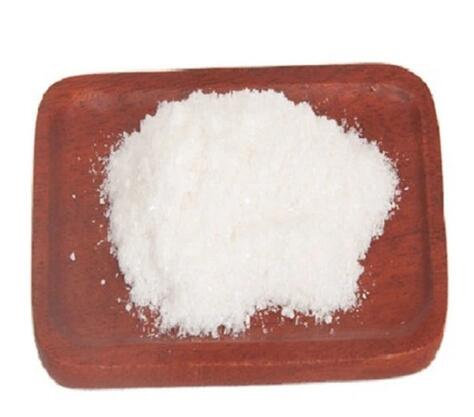
Triethanolamine borate CAS:283-56-7
Triethanolamine borate is a compound formed by the reaction of triethanolamine, a viscous liquid compound commonly used in cosmetics and personal care products, with boric acid, a weak acid. This compound is a white, crystalline powder or a clear, colorless liquid depending on its form.
Triethanolamine borate is primarily used as an emulsifier or pH adjuster in various cosmetic and personal care formulations. It helps stabilize oil-in-water emulsions and improves the texture and consistency of products such as creams, lotions, and makeup. Additionally, it acts as a buffering agent, helping to maintain the desired pH level of the formulation.
Due to its emulsifying properties, triethanolamine borate is also used in industrial applications, such as in metalworking fluids and cutting oils. It helps to maintain the stability and dispersion of oil-based lubricants, facilitating the machining and cooling processes in metalworking.
-
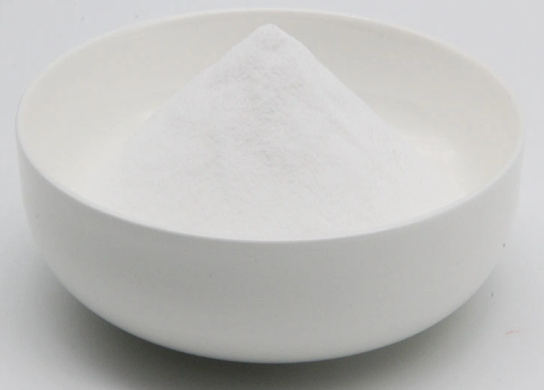
Glycylglycine CAS:556-50-3 Manufacturer Price
Glycylglycine is a dipeptide that consists of two glycine molecules linked together by a peptide bond. It is classified as a non-essential amino acid, which means that it can be synthesized by the body and is not necessarily required through dietary sources.
Glycylglycine plays several important roles in the body. It is involved in protein and peptide synthesis, as it serves as a building block for the formation of longer amino acid chains. It also functions as a neurotransmitter precursor, participating in the synthesis of neurotransmitters like glycine and serotonin, which are essential for nervous system function.
Furthermore, glycylglycine acts as a buffering agent and helps regulate the pH balance in bodily fluids. It can bind to excess hydrogen ions (H+) to maintain proper acid-base equilibrium, ensuring that the body’s internal environment remains stable.
Glycylglycine is commonly used in research laboratories and pharmaceutical applications. It has been studied for its potential therapeutic effects, including its role in wound healing, tissue repair, and skin hydration. Additionally, it has been investigated for its antioxidant properties and its ability to scavenge harmful free radicals in the body.
-
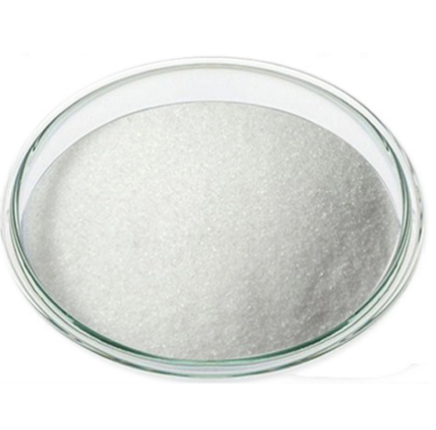
L-(+)-Lactic acid lithium salt CAS:27848-80-2
L-(+)-Lactic acid lithium salt is a chemical compound formed by the reaction of L-(+)-lactic acid with lithium hydroxide. It is commonly used as a chiral auxiliary in organic synthesis and as a catalyst in various chemical reactions. The compound is typically a white crystalline solid and is soluble in water and polar solvents. It is known for its ability to promote enantioselectivity, making it useful in the production of pharmaceuticals and other fine chemicals.
-
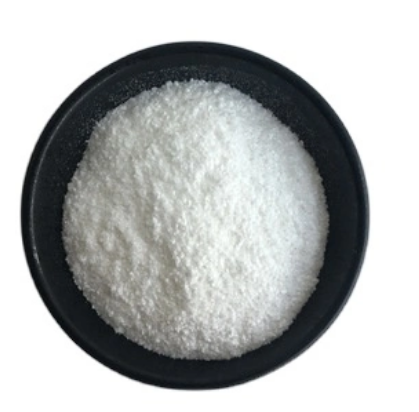
L-Methionine CAS:63-68-3 Manufacturer Price
L-Methionine is an essential amino acid that is not naturally produced by the human body, which means it must be obtained through diet or supplementation. It plays a crucial role in various biological processes, including protein synthesis, methylation reactions, and the production of other important molecules such as glutathione.
As a dietary supplement, L-Methionine is commonly used to support liver health and assist in the detoxification of harmful substances. It is also believed to promote healthy skin, hair, and nails due to its involvement in collagen synthesis.
Additionally, L-Methionine may aid in managing certain medical conditions, such as copper poisoning and acetaminophen (paracetamol) overdose, where it acts as a precursor to glutathione, a powerful antioxidant.
-
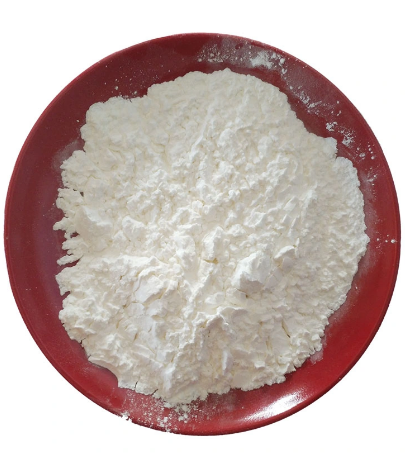
L-Serine CAS:56-45-1 Manufacturer Price
L-Serine is a non-essential amino acid that plays important roles in the body. It is involved in the synthesis of proteins and neurotransmitters, including glycine and D-serine. L-Serine is also a precursor for the production of phospholipids, which are vital components of cell membranes. Additionally, L-Serine helps support immune function, aids in the formation of collagen and connective tissues, and plays a role in the metabolism of fatty acids and carbohydrates.
-
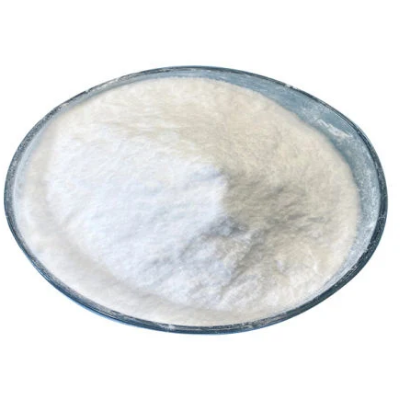
L-Valine CAS:72-18-4 Manufacturer Price
L-Valine is an essential branched-chain amino acid (BCAA) that plays a crucial role in protein synthesis and muscle repair. It is one of the three BCAAs along with L-Leucine and L-Isoleucine. L-Valine is primarily used by the body as an energy source during intense exercise and helps maintain nitrogen balance in the muscles. It also supports the growth and maintenance of muscle tissue, aids in post-workout recovery, and may have potential benefits for endurance and athletic performance. L-Valine is commonly found in protein-rich foods such as meat, dairy, legumes, and grains.
-
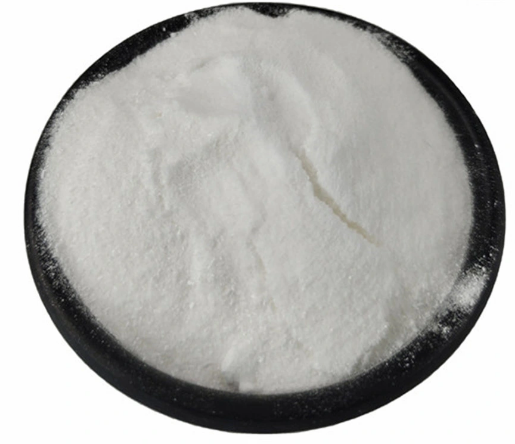
DL-Methionine CAS:59-51-8 Manufacturer Price
DL-Methionine is a synthetic form of the amino acid methionine. It is commonly used as a dietary supplement and feed additive in animal nutrition. DL-Methionine provides the essential amino acid methionine, which plays important roles in protein synthesis, liver function, antioxidant activity, and the health of the skin, hair, and nails. It can also be used as a chelating agent for copper poisoning and as an antidote for acetaminophen overdose.
-
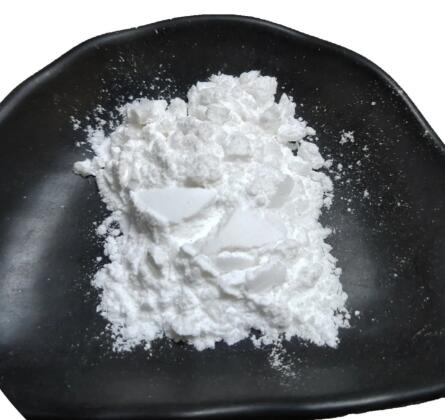
Glutathione oxidized CAS:27025-41-8
Glutathione oxidized is the disulfide form of the naturally occurring antioxidant compound glutathione. It plays a crucial role in maintaining cellular health and protecting cells from oxidative damage. Glutathione oxidized is formed when glutathione becomes oxidized through the loss of electrons. It serves as a recycling agent for reduced glutathione and helps maintain the balance between the oxidized and reduced forms of glutathione in the body. Glutathione oxidized is involved in various biological processes, such as detoxification, immune system function, and regulation of cellular redox status. It is also used in some cosmetic and skincare products for its potential skin-lightening and anti-aging effects.
-
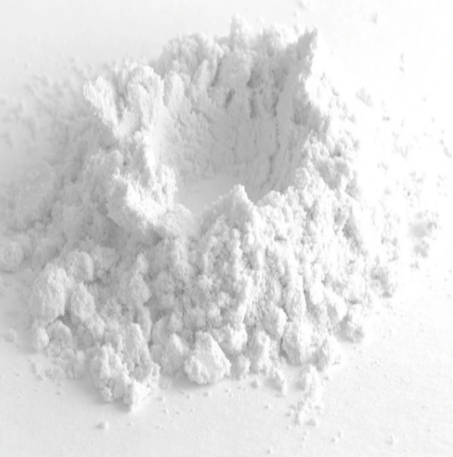
Glutathione reduced CAS:70-18-8
Glutathione reduced, also known as GSH, is a powerful antioxidant that supports cellular function, detoxification, immune health, and energy production. It plays a vital role in protecting cells from damage, removing toxins from the body, supporting the immune system, promoting cellular repair, and enhancing overall well-being. It is commonly used in skincare products for its potential benefits in maintaining healthy skin.
-
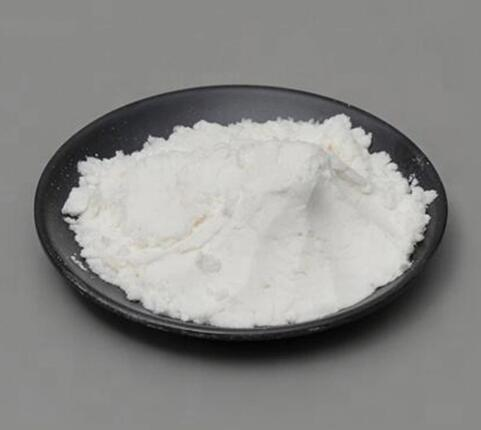
Acetylthiocholine iodide CAS:1866-15-5
Acetylthiocholine iodide is a chemical compound commonly used in biochemical research as a substrate for the enzyme acetylcholinesterase. It is a derivative of acetylcholine with a sulfur atom substituted for the oxygen atom present in the parent compound. Acetylthiocholine iodide is extensively used in enzyme assays and studies involving cholinergic processes in the nervous system. Its iodide salt form enhances its solubility in aqueous solutions, making it easier to work with in laboratory settings.