-

Trypan Blue CAS:72-57-1 Manufacturer Price
Trypan Blue is a blue dye commonly used in biological research and medical procedures. It is frequently used to stain and differentiate living cells from non-living cells or debris. Trypan Blue is particularly useful in cell viability assays and cell counting methods. It works by selectively staining dead or non-viable cells, allowing researchers to easily identify and count live cells under a microscope. Trypan Blue can be used with various cell types and is a valuable tool in many areas of cell biology and clinical diagnostics.
-
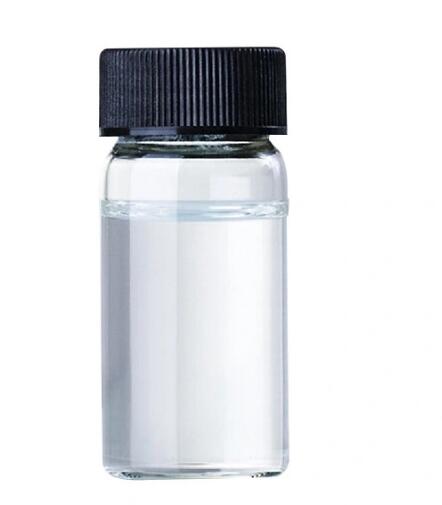
DEPC CAS:1609-47-8 Manufacturer Price
Diethyl pyrocarbonate (DEPC) is a chemical compound commonly used in molecular biology laboratories. It is a clear and colorless liquid that is highly reactive towards nucleophilic compounds such as amines and thiols.DEPC is primarily used to inactivate RNases (ribonucleases), enzymes that can degrade RNA, by modifying their active sites. It achieves this by reacting with histidine residues in the enzyme, which are essential for its activity. This makes DEPC a valuable tool in RNA-related experiments and ensures the preservation of RNA integrity.In addition to its RNase inactivating properties, DEPC can also modify other biomolecules, such as proteins and DNA, due to its reactivity with nucleophilic groups. Care should be taken when handling DEPC, as it is toxic and potentially mutagenic.
-
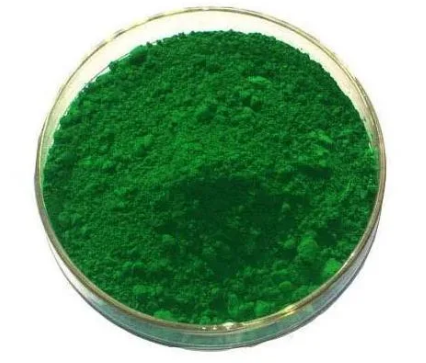
Xylene Cyanole FF CAS:2650-17-1
Xylene Cyanole FF is a synthetic dye that is commonly used in laboratory applications. It is often used in molecular biology and biochemistry experiments for various purposes.
One of the common uses of Xylene Cyanole FF is as a tracking dye in agarose gel electrophoresis. It is added to DNA or RNA samples before loading them onto the gel. The dye migrates at a specific rate during electrophoresis, allowing researchers to visually track the progress of the sample as it moves through the gel.
Additionally, Xylene Cyanole FF can be used as a marker or reference point in nucleic acid analysis. When combined with other dyes, such as bromophenol blue, it helps visualize the migration of nucleic acids during gel electrophoresis.
Xylene Cyanole FF is a dark blue dye that is easily visible and does not inhibit enzymatic reactions or interfere with subsequent analysis of nucleic acids. It is usually supplied as a powder or as a concentrated solution that can be diluted as needed.
-
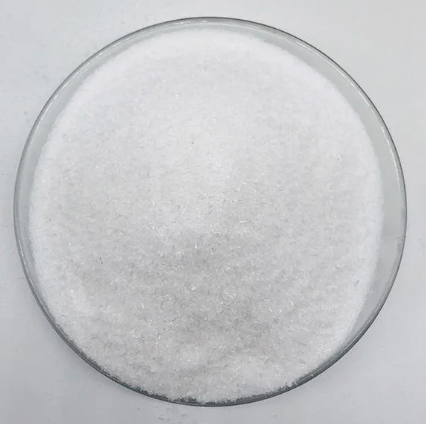
Diethylene triamine pentaacetic acid CAS:67-43-6
Diethylene triamine pentaacetic acid (DTPA) is a chemical compound that is commonly used as a chelating agent. It has the ability to bind with heavy metal ions, particularly those like lead, mercury, and cadmium, to form stable complexes. DTPA is used in a variety of applications, including environmental remediation, medical treatments, industrial processes, and radiopharmaceuticals. Its metal-chelating properties make it effective in removing heavy metals from wastewater, treating heavy metal poisoning, preventing interference in chemical reactions, and facilitating targeted delivery of therapeutic drugs. Overall, DTPA is a versatile compound with important applications in various industries.
-
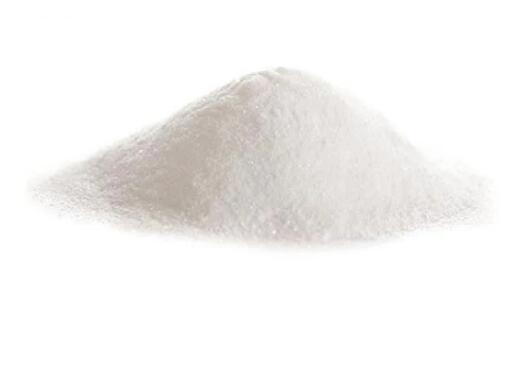
2,2′-Oxybis(ethylamine) dihydrochloride CAS:60792-79-2
2,2′-Oxybis(ethylamine) dihydrochloride, also known as diethylenetriamine, is a chemical compound with the molecular formula C6H16N2Cl2. It is a clear, colorless liquid with a characteristic odor.
Diethylenetriamine is primarily used as a building block in the synthesis of various organic compounds. It is commonly employed as a crosslinking agent in the production of polymeric materials, such as resins, adhesives, and coatings. It can also act as a chelating agent for metal ions, which makes it useful in applications such as metal plating and water treatment.
In addition, diethylenetriamine is utilized in the pharmaceutical industry as a starting material for the synthesis of certain drugs and pharmaceutical intermediates. It can be modified to introduce specific functionalities and enhance drug efficacy.
-
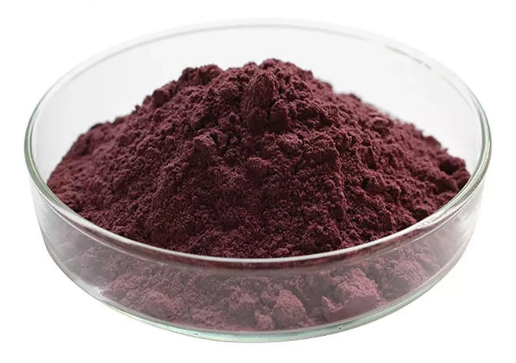
Ethidium Bromide CAS:1239-45-8
Ethidium bromide (EtBr) is a common fluorescent dye used in molecular biology and biochemistry for visualizing nucleic acids, specifically DNA, in agarose gel electrophoresis. It has a high affinity for DNA and, when exposed to ultraviolet (UV) light, fluoresces and emits a reddish-orange color. This allows researchers to easily detect and analyze DNA fragments separated by size in a gel matrix.
EtBr intercalates between the base pairs of DNA and RNA, causing a change in its fluorescence properties. It is commonly added to agarose gels or mixed with DNA samples prior to electrophoresis. When the gel is exposed to UV light, the DNA bands containing EtBr appear as bright orange bands against a dark background, making it easy to visualize and analyze the DNA fragments.
-
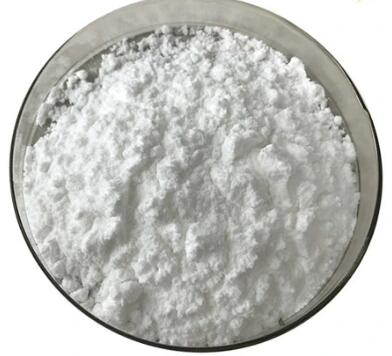
3,3′-Diaminobenzidine CAS:91-95-2
3,3′-Diaminobenzidine (DAB) is a chemical compound commonly used in biochemistry and histology for staining proteins, nucleic acids, and other macromolecules. When oxidized, it forms a brown colored precipitate that is easily visualized under a microscope. DAB staining is often employed to detect the presence and localization of specific molecules, such as antigens or enzymes, in cells and tissues. It is a popular choice for immunohistochemistry and immunocytochemistry techniques due to its high sensitivity and stability. DAB staining can offer valuable insights into cellular structures and molecular interactions, aiding in research and diagnostics in fields like medicine, biology, and pathology.
-
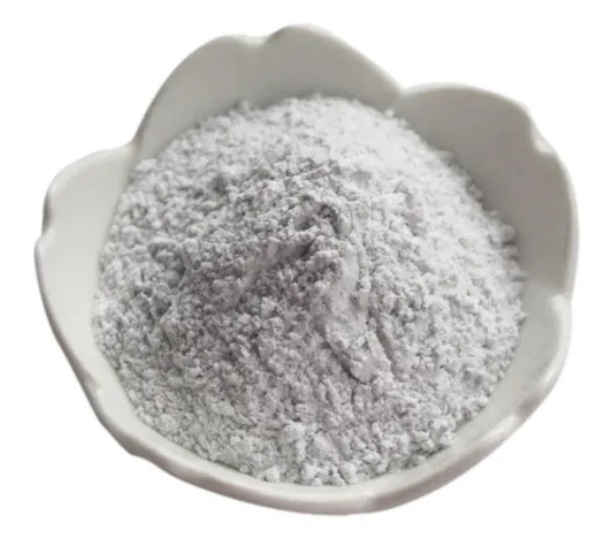
Glycine CAS:56-40-6 Manufacturer Price
Glycine is one of the simplest amino acids and is considered non-essential, meaning that the body can produce it on its own. It plays a crucial role in the synthesis of proteins, functioning as a building block for protein formation.
Glycine is also involved in various metabolic processes in the body. It acts as a precursor for several important compounds, including heme (a component of hemoglobin) and creatine (essential for energy metabolism in muscles).
Additionally, glycine serves as a neurotransmitter in the central nervous system, playing a role in modulating the excitability of nerve cells. It has been linked to promoting relaxation, calmness, and improved sleep quality.
Glycine is found naturally in several food sources, including meat, poultry, fish, dairy products, legumes, and certain fruits and vegetables. Its supplementation may be used to support muscle growth, improve sleep quality, and promote overall well-being.
-
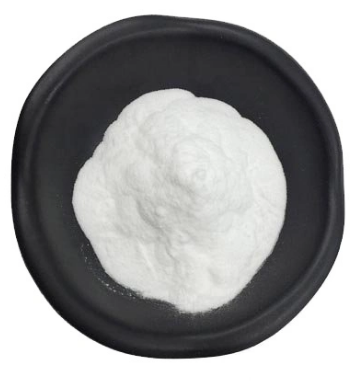
4-METHOXYBENZENEDIAZONIUM TETRAFLUOROBORATE CAS:459-64-3
4-Methoxybenzenediazonium tetrafluoroborate is a chemical compound that belongs to the class of diazonium salts. It consists of a diazonium group (N≡N⁺) attached to a 4-methoxybenzene ring, and its counterion is tetrafluoroborate (BF4⁻).
Diazonium salts are known for their reactivity and are commonly used as intermediates in various organic synthesis reactions. They can undergo various transformations, including electrophilic aromatic substitution, coupling reactions, and azo dye synthesis.
4-Methoxybenzenediazonium tetrafluoroborate specifically has been used in organic chemistry to introduce the 4-methoxybenzene group onto other molecules through diazonium coupling reactions. It is a useful reagent for the synthesis of aryl derivatives and can be employed in the preparation of pharmaceuticals, agrochemicals, and other organic compounds.
-
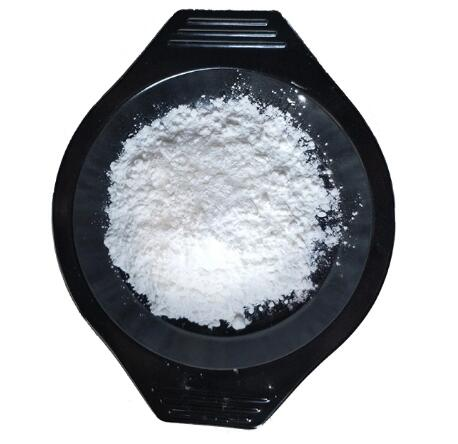
Iodonitrotetrazolium chloride CAS:146-68-9
Iodonitrotetrazolium chloride is a compound mainly used in biological and biochemical assays to detect the presence of dehydrogenase enzymes. It is often used as a redox dye to visualize cellular metabolic activity. The compound is typically colorless but forms a red formazan product when it reacts with the specific enzymes present in living cells. This reaction allows researchers to visually determine the activity and viability of cells in experiments or diagnostic tests.
-
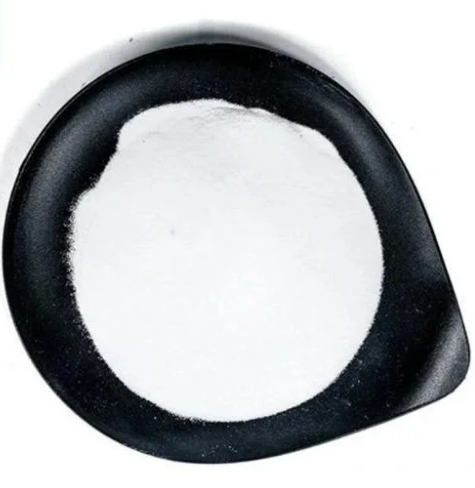
4-Nitrophenyl phosphate disodium salt hexahydrate CAS:4264-83-9
4-Nitrophenyl phosphate disodium salt hexahydrate is a chemical compound that is commonly used as a substrate for detecting the activity of phosphatase enzymes. It appears as a white to off-white powder and is highly soluble in water. When acted upon by phosphatase enzymes, it undergoes a reaction that results in the production of a yellow color, which can be measured spectrophotometrically. This compound finds applications in various biochemical assays and diagnostic kits for detecting and quantifying phosphatase activity in samples.
-
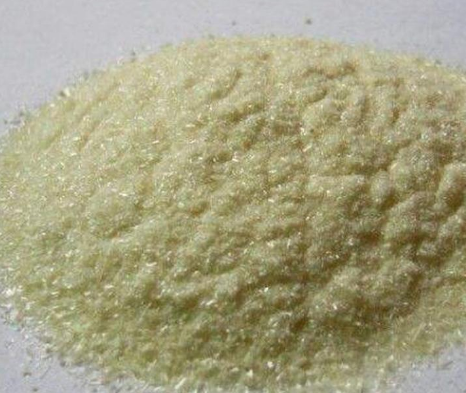
Methylphenazinium methosulfate CAS:299-11-6
Methylphenazinium methosulfate (MPMS) is a redox-active compound that is commonly used as an electron carrier in various biochemical and biophysical studies. It is a salt consisting of a methylphenazinium cation (a heterocyclic compound) and a methosulfate anion.
MPMS is often used as an alternative to traditional electron carriers, such as ferricyanide or phenazine ethosulfate, due to its stability and high solubility in water. It possesses good redox properties, which allow it to accept and transfer electrons during enzymatic reactions.
One of the key applications of MPMS is in assays that involve the measurement of electron transfer or enzymatic activity. It is frequently used in conjunction with an enzyme system to monitor the transfer of electrons between different components. The reduction of MPMS can be detected spectrophotometrically, where its absorbance changes as a result of electron transfer processes.
MPMS is also utilized in studies related to mitochondrial respiration and oxidative phosphorylation. It can act as an artificial electron acceptor, allowing researchers to investigate the functioning and regulation of these processes in various biological systems.

