-

CAPS CAS:1135-40-6 Manufacturer Price
3-Cyclohexylaminopropanesulfonic acid is a chemical compound featuring a cyclohexyl group attached to an aminopropanesulfonic acid moiety. It is primarily used as a buffering agent in biochemical and pharmaceutical applications. Due to its unique chemical structure, it exhibits strong buffering capacity and is often utilized in experiments requiring precise pH control, such as protein purification, electrophoresis, and enzymatic reactions. Additionally, it can be employed as a stabilizer in the formulation of drugs or as a corrosion inhibitor in certain industrial processes.
-

p-hydoxybenzoic acid,monosodium CAS:114-63-6
p-Hydroxybenzoic acid monosodium, also known as sodium p-hydroxybenzoate or sodium paraben, is a compound derived from the organic compound p-hydroxybenzoic acid. It is widely used as a food preservative and cosmetic ingredient due to its antimicrobial and antifungal properties.
As a food preservative, sodium p-hydroxybenzoate helps inhibit the growth of bacteria, yeast, and mold, prolonging the shelf life of various food products. It is commonly used in processed foods, fruit juices, soft drinks, sauces, and condiments.
In cosmetics, sodium p-hydroxybenzoate acts as a preservative to prevent the growth of microorganisms, maintaining the safety and stability of cosmetic products. It is often found in creams, lotions, shampoos, and other personal care items.
-
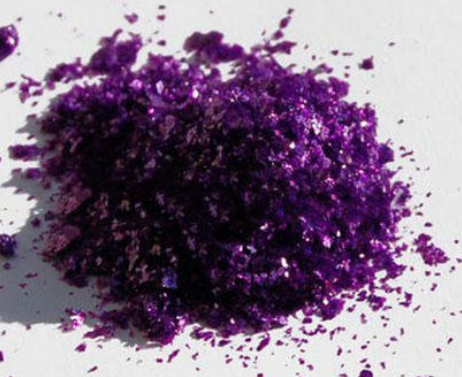
Fast Violet B Salt CAS:14726-28-4
Fast Violet B Salt is a synthetic dye commonly used in various applications. It is primarily used in histology and microbiology laboratories as a staining agent to enhance visualization of cellular components. Additionally, it has antiseptic properties and has been used in the past as a topical treatment for skin infections and wounds. Fast Violet B Salt is also utilized as a dye in industries like textile, printing, paper, and ink production.
-
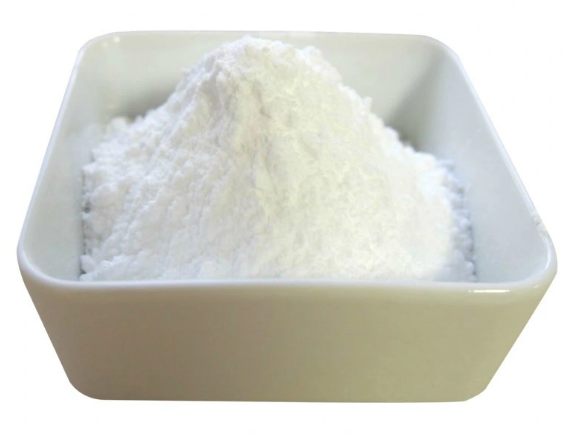
4-Nitrophenyl-2-acetamido-2-deoxy-β-D-glucopyranoside CAS:3459-18-5
4-Nitrophenyl-2-acetamido-2-deoxy-β-D-glucopyranoside is a chemical compound commonly used in biochemical and molecular biology research. It is a substrate commonly known as pNAG, used primarily in enzymatic assays to detect and measure the activity of enzymes that hydrolyze β-D-glucoside bonds.
pNAG is colorless and non-fluorescent, but upon hydrolysis by specific enzymes, it produces a yellow-colored product, p-nitrophenol. This characteristic makes pNAG useful for detecting and quantifying the activity of enzymes such as β-glucosidases, which catalyze the cleavage of β-D-glucoside bonds.
-
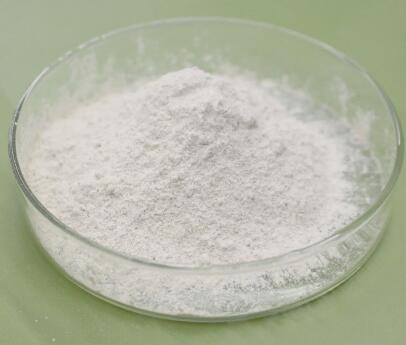
AHMT CAS:1750-12-5 Manufacturer Price
4-Amino-3-hydrazino-1,2,4-triazol-5-thiol is an organic compound with a molecular formula of C2H6N6S. It is a yellowish crystalline powder and is also known by other names such as AHHT, 4-AT, or 5-Mercapto-3-aminotetrazole.
This compound has potential applications in various fields, including pharmaceuticals, agrochemicals, and materials chemistry. It can be used as a building block for the synthesis of complex compounds or as a precursor for the formation of new molecules.
.
-

2,4-Dichlorobenzenediazonium tetrafluoroborate CAS:21872-70-8
2,4-Dichlorobenzenediazonium tetrafluoroborate is a chemical compound that consists of a benzene ring attached to a diazonium functional group. The benzene ring is substituted with chlorine atoms at positions 2 and 4. The tetrafluoroborate salt is added to enhance stability and solubility.
This compound is commonly used in organic synthesis as a diazonium coupling agent. It can undergo diazonium coupling reactions with various nucleophilic compounds, such as amines, phenols, and carbon nucleophiles. These reactions result in the formation of aromatic compounds, which can have applications in dyes, pigments, pharmaceuticals, and other organic products.
-
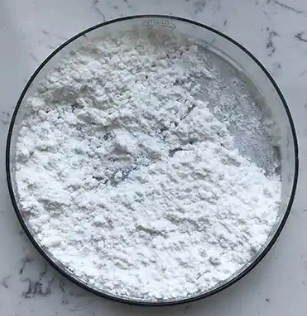
3-(N-tosyl-L-alaninylazy)-5-phenylpyrrole CAS:99740-00-8
The compound contains a pyrrole ring with a phenyl group attached at position 5. Additionally, it has a tosyl group and an L-alanine derivative attached at position 3, forming a complex structure.
-
XD90152 DA-67 CAS:115871-18-6 Manufacturer Price
DA-67 is a chemical compound commonly used in biochemical research and enzyme activity assays. It is cleaved by certain enzymes, releasing a molecule called 2-chloro-4-nitrophenol, which can be easily detected and quantified using spectrophotometric methods. The compound finds applications in high-throughput screening for drug discovery, glycobiology studies, and investigating glycosylation processes. It is a valuable tool for studying enzyme kinetics, substrate specificity, and mechanisms of action in carbohydrate metabolism.
.
-
Vancomycin hydrochloride CAS:1404-93-9
Vancomycin hydrochloride is an antibiotic medication used to treat severe infections caused by certain types of bacteria. It belongs to the glycopeptide class of drugs and works by inhibiting the synthesis of peptidoglycan, an essential component of bacterial cell walls. It is commonly used to treat infections such as MRSA, Clostridium difficile-associated diarrhea, and bacterial endocarditis.
-
HEPPS CAS:16052-06-5 Manufacturer Price
HEPPS, which stands for N-(2-Hydroxyethyl)piperazine-N’-2-ethanesulfonic acid, is a zwitterionic buffering agent commonly used in biological and biochemical research. It is known for its excellent buffering capacity and stability over a wide pH range, particularly in the range of pH 6.8-8.2. HEPPS is often used in cell culture media, protein purification, enzymatic reactions, and other applications that require a precisely controlled pH environment. It is soluble in water and is typically used at concentrations ranging from 10 mM to 100 mM. HEPPS is considered non-toxic to cells and has a low background interference, making it a popular choice for many experimental protocols.
-
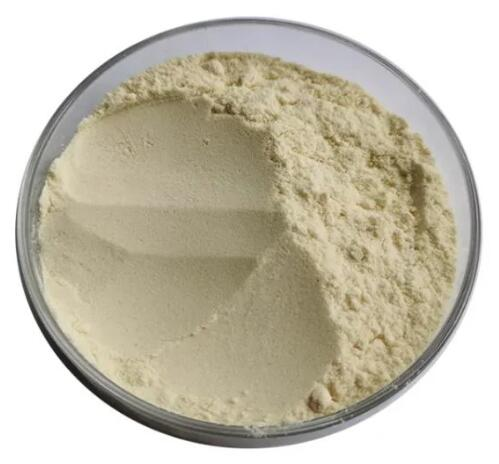
2,3,5-Triphenyl-2H-tetrazolium chloride CAS:298-96-4
2,3,5-Triphenyl-2H-tetrazolium chloride, also known as TTC, is a compound commonly used as a redox indicator in biological and chemical applications. It appears as a yellowish-white crystalline powder.
TTC is frequently utilized in various biological assays and experiments to determine cell viability and metabolic activity. When added to living cells, it is enzymatically reduced to form a red formazan product. This reduction is dependent on active dehydrogenase enzymes present in viable cells. Consequently, the amount of red formazan produced is proportional to the number of metabolically active cells.
TTC’s ability to assess cell viability makes it useful in research areas such as cytotoxicity testing, cell proliferation assays, and the evaluation of drug efficacy. In addition, it is employed in microbiology for assessing bacterial growth, as well as in studies involving plant tissue culture and tissue viability assessment.
.
-
Gly-Pro p-nitroanilide p-toluenesulfonate salt CAS:65096-46-0
Gly-Pro p-nitroanilide p-toluenesulfonate salt is a chemical compound used in enzymatic assays to measure the activity of proline-specific peptidases. It consists of the dipeptide Gly-Pro linked to a p-nitroanilide group, which can be released by the action of proline-specific peptidases.
In enzymatic assays, this compound is added to a sample containing the enzyme of interest. The enzyme cleaves the bond between glycine (Gly) and proline (Pro), releasing the p-nitroanilide group. The released p-nitroanilide can be measured spectrophotometrically, allowing the determination of the enzyme’s activity.
The p-toluenesulfonate salt form of Gly-Pro p-nitroanilide provides stability and solubility in aqueous solutions, facilitating its use in enzymatic assays.