-
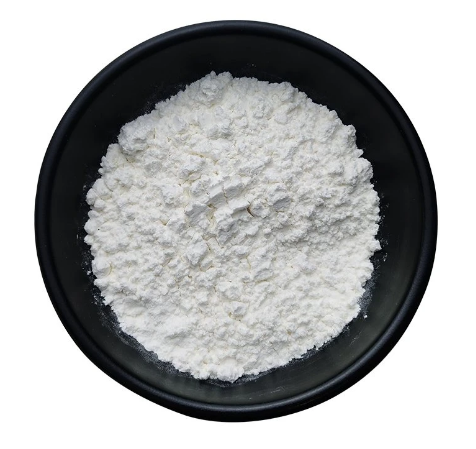
HEPPS CAS:16052-06-5 Manufacturer Price
HEPPS, which stands for N-(2-Hydroxyethyl)piperazine-N’-2-ethanesulfonic acid, is a zwitterionic buffering agent commonly used in biological and biochemical research. It is known for its excellent buffering capacity and stability over a wide pH range, particularly in the range of pH 6.8-8.2. HEPPS is often used in cell culture media, protein purification, enzymatic reactions, and other applications that require a precisely controlled pH environment. It is soluble in water and is typically used at concentrations ranging from 10 mM to 100 mM. HEPPS is considered non-toxic to cells and has a low background interference, making it a popular choice for many experimental protocols.
-

2,3,5-Triphenyl-2H-tetrazolium chloride CAS:298-96-4
2,3,5-Triphenyl-2H-tetrazolium chloride, also known as TTC, is a compound commonly used as a redox indicator in biological and chemical applications. It appears as a yellowish-white crystalline powder.
TTC is frequently utilized in various biological assays and experiments to determine cell viability and metabolic activity. When added to living cells, it is enzymatically reduced to form a red formazan product. This reduction is dependent on active dehydrogenase enzymes present in viable cells. Consequently, the amount of red formazan produced is proportional to the number of metabolically active cells.
TTC’s ability to assess cell viability makes it useful in research areas such as cytotoxicity testing, cell proliferation assays, and the evaluation of drug efficacy. In addition, it is employed in microbiology for assessing bacterial growth, as well as in studies involving plant tissue culture and tissue viability assessment.
.
-
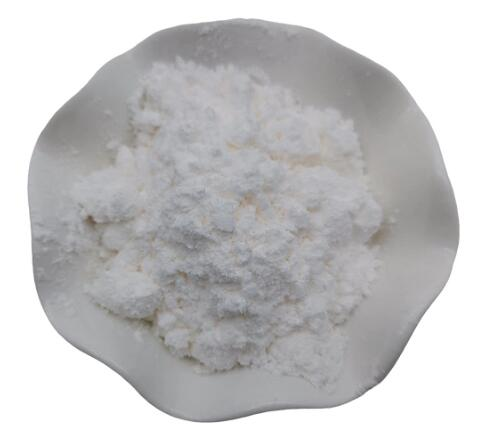
Gly-Pro p-nitroanilide p-toluenesulfonate salt CAS:65096-46-0
Gly-Pro p-nitroanilide p-toluenesulfonate salt is a chemical compound used in enzymatic assays to measure the activity of proline-specific peptidases. It consists of the dipeptide Gly-Pro linked to a p-nitroanilide group, which can be released by the action of proline-specific peptidases.
In enzymatic assays, this compound is added to a sample containing the enzyme of interest. The enzyme cleaves the bond between glycine (Gly) and proline (Pro), releasing the p-nitroanilide group. The released p-nitroanilide can be measured spectrophotometrically, allowing the determination of the enzyme’s activity.
The p-toluenesulfonate salt form of Gly-Pro p-nitroanilide provides stability and solubility in aqueous solutions, facilitating its use in enzymatic assays.
-
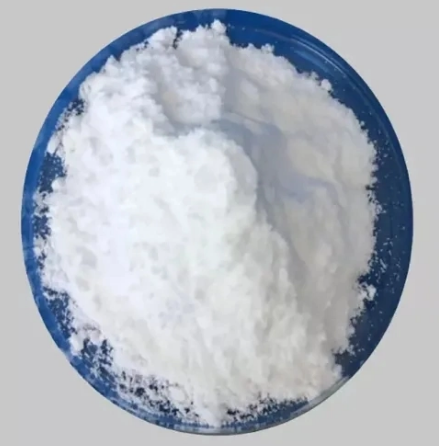
5-Bromo-4-chloro-3-indolyl-N-acetyl-beta-D-glucosaminide CAS:4264-82-8
5-Bromo-4-chloro-3-indolyl-N-acetyl-beta-D-glucosaminide is a compound used in various biochemical studies, particularly for the detection and visualization of enzyme activity. It is a substrate that can be hydrolyzed by specific enzymes, resulting in the release of a colored or fluorescent product.
This compound is commonly used in assays to detect the presence and activity of enzymes such as beta-galactosidase and beta-glucuronidase. These enzymes cleave the acetyl and glucosaminide groups from the substrate, leading to the formation of a blue or green chromophore.
The unique structure of 5-Bromo-4-chloro-3-indolyl-N-acetyl-beta-D-glucosaminide allows for easy detection and quantification of enzyme activity. Its use in various experimental techniques, including histochemistry, immunohistochemistry, and cell-based assays, has contributed to a better understanding of enzyme functions.
-

AMPPD CAS:122341-56-4 Manufacturer Price
AMPPD, short for 3-(2′-spiroadamantane)-4-methoxy-4-(3″-phosphoryloxy)phenyl-1,2-dioxetane, is a chemiluminescent substrate commonly used in biological and immunoassay applications. It is widely used in molecular biology research, diagnostics, and life sciences.
AMPPD is specifically designed to be used in combination with alkaline phosphatase enzyme conjugates. When exposed to alkaline phosphatase, AMPPD undergoes a rapid and efficient enzymatic cleavage reaction, leading to the emission of light.
The emitted light from AMPPD is detected using sensitive imaging systems or luminometers, allowing for the quantification and visualization of target molecules or analytes. This chemiluminescence-based detection method offers high sensitivity, low background noise, and a broad dynamic range.
Due to its stability and long-lasting signal, AMPPD is well-suited for applications such as Western blotting, ELISA (enzyme-linked immunosorbent assay), DNA hybridization, and in situ hybridization. It enables researchers to detect and analyze proteins, nucleic acids, antibodies, and other biomolecules.
.
-
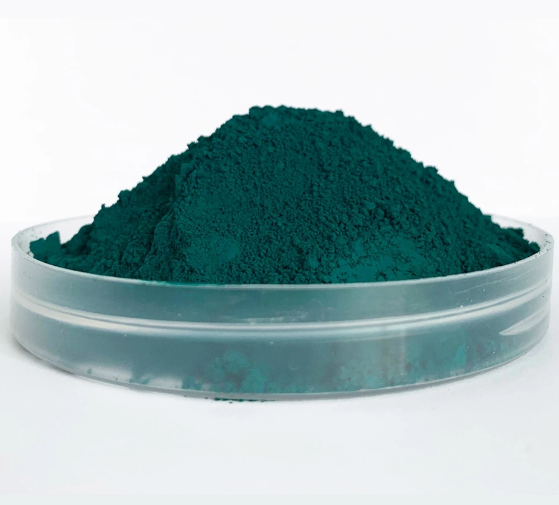
2,6-Dichloroindophenol sodium salt CAS:620-45-1
3,5-Dichlorophenyldiazonium tetrafluoroborate is a chemical compound that is commonly used in organic synthesis. It is a diazonium salt, which means it contains a diazonium group (N2+) attached to a phenyl ring that is substituted with chlorine atoms at the 3rd and 5th positions.
This compound is often employed in reactions that involve coupling with other aromatic compounds. It can undergo reactions such as electrophilic aromatic substitution, where it can transfer its diazonium group to another nucleophilic aromatic compound to form a new bond. This is particularly useful for the introduction of functional groups onto aromatic rings.
-
3,3′-Diaminobenzidine CAS:91-95-2
3,3′-Diaminobenzidine (DAB) is a chemical compound commonly used in immunohistochemistry (IHC) and immunocytochemistry (ICC) staining techniques. It is a chromogenic substrate that produces a brown reaction product when exposed to peroxidase enzymes, indicating the presence of the target antigen.
DAB is often employed to visualize proteins or other biomolecules of interest within biological samples, such as tissue sections or cells. It can provide a localized and visible marker for the target antigen, allowing researchers to identify and analyze its distribution and abundance.
-
(±)-6-Hydroxy-2,5,7,8-tetramethylchromane-2-carboxylic acid CAS:53188-07-1
Trolox is a synthetic compound that belongs to the class of antioxidants known as vitamin E analogs. It is a potent antioxidant that can scavenge free radicals and protect cells and tissues from oxidative damage. Trolox has been extensively studied for its potential health benefits, including its ability to reduce inflammation, prevent cellular damage, and support cardiovascular health. It is commonly used as a reference compound in antioxidant research and as an additive in various food and cosmetic products.
.
-

1-(3-Dimethylaminopropyl)-3-ethylcarbodiimide hydrochloride CAS:25952-53-8
1-(3-Dimethylaminopropyl)-3-ethylcarbodiimide hydrochloride, also known as EDC hydrochloride or EDAC, is a chemical compound commonly used in biochemistry and molecular biology as a coupling agent for the activation of carboxyl groups. It is a white crystalline powder that is highly soluble in water.
EDC hydrochloride is primarily used in the synthesis of peptides and proteins by facilitating the formation of amide bonds between carboxyl and amino groups. It acts by activating carboxyl groups, which react with amino groups in the presence of a coupling agent such as N-hydroxysuccinimide (NHS). This reaction results in the formation of stable amide bonds.
EDC hydrochloride is also used in DNA and RNA research for modifying and cross-linking nucleic acids, as well as in the immobilization of enzymes and other biomolecules onto surfaces. It is a versatile reagent that can enhance the efficiency and specificity of these reactions.
-

HEPES CAS:7365-45-9 Manufacturer Price
HEPES (4-(2-Hydroxyethyl)piperazine-1-ethanesulfonic acid) is a biological buffer commonly used in biological and chemical research. It is known for its ability to maintain a stable pH in aqueous solutions, making it suitable for various applications involving cellular and enzymatic processes. HEPES is a zwitterionic compound, meaning it has positive and negative charges on separate functional groups, which allows it to resist changes in pH caused by the addition of acids or bases. It is frequently used in cell culture, enzyme assays, protein studies, electrophoresis experiments, and pharmaceutical formulations.
-
p-Nitrophenyl -a-L-Fucopyranoside CAS:10231-84-2
p-Nitrophenyl-α-L-Fucopyranoside is a chemical compound that belongs to the class of nitrophenyl glycosides. It is commonly used in biochemical research as a substrate for the enzyme α-L-fucosidase, which catalyzes its hydrolysis. This compound is colorless and soluble in organic solvents, making it convenient for enzymatic assays.
-

Heparin lithium salt CAS:9045-22-1
Heparin lithium is a chemical substance with a white to almost white powder appearance.

