-

2,6-Dichloroindophenol sodium salt CAS:620-45-1
3,5-Dichlorophenyldiazonium tetrafluoroborate is a chemical compound that is commonly used in organic synthesis. It is a diazonium salt, which means it contains a diazonium group (N2+) attached to a phenyl ring that is substituted with chlorine atoms at the 3rd and 5th positions.
This compound is often employed in reactions that involve coupling with other aromatic compounds. It can undergo reactions such as electrophilic aromatic substitution, where it can transfer its diazonium group to another nucleophilic aromatic compound to form a new bond. This is particularly useful for the introduction of functional groups onto aromatic rings.
-
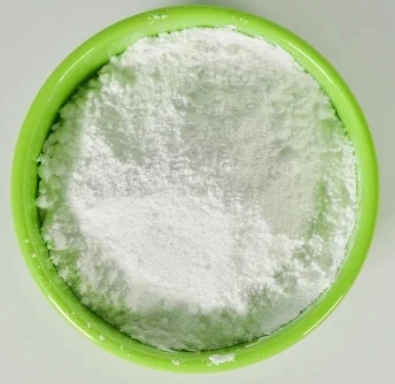
3,3′-Diaminobenzidine CAS:91-95-2
3,3′-Diaminobenzidine (DAB) is a chemical compound commonly used in immunohistochemistry (IHC) and immunocytochemistry (ICC) staining techniques. It is a chromogenic substrate that produces a brown reaction product when exposed to peroxidase enzymes, indicating the presence of the target antigen.
DAB is often employed to visualize proteins or other biomolecules of interest within biological samples, such as tissue sections or cells. It can provide a localized and visible marker for the target antigen, allowing researchers to identify and analyze its distribution and abundance.
-
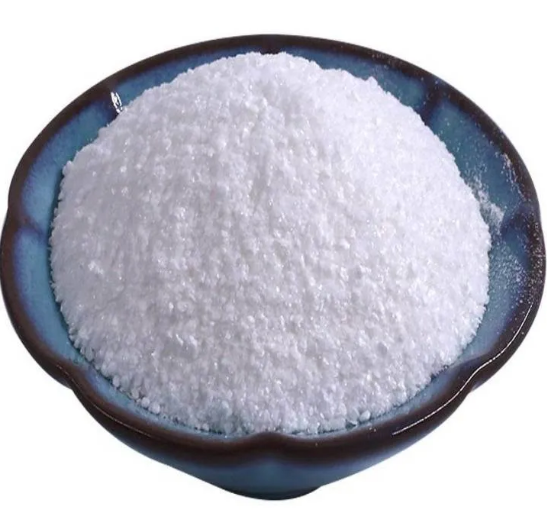
(±)-6-Hydroxy-2,5,7,8-tetramethylchromane-2-carboxylic acid CAS:53188-07-1
Trolox is a synthetic compound that belongs to the class of antioxidants known as vitamin E analogs. It is a potent antioxidant that can scavenge free radicals and protect cells and tissues from oxidative damage. Trolox has been extensively studied for its potential health benefits, including its ability to reduce inflammation, prevent cellular damage, and support cardiovascular health. It is commonly used as a reference compound in antioxidant research and as an additive in various food and cosmetic products.
.
-

1-(3-Dimethylaminopropyl)-3-ethylcarbodiimide hydrochloride CAS:25952-53-8
1-(3-Dimethylaminopropyl)-3-ethylcarbodiimide hydrochloride, also known as EDC hydrochloride or EDAC, is a chemical compound commonly used in biochemistry and molecular biology as a coupling agent for the activation of carboxyl groups. It is a white crystalline powder that is highly soluble in water.
EDC hydrochloride is primarily used in the synthesis of peptides and proteins by facilitating the formation of amide bonds between carboxyl and amino groups. It acts by activating carboxyl groups, which react with amino groups in the presence of a coupling agent such as N-hydroxysuccinimide (NHS). This reaction results in the formation of stable amide bonds.
EDC hydrochloride is also used in DNA and RNA research for modifying and cross-linking nucleic acids, as well as in the immobilization of enzymes and other biomolecules onto surfaces. It is a versatile reagent that can enhance the efficiency and specificity of these reactions.
-

HEPES CAS:7365-45-9 Manufacturer Price
HEPES (4-(2-Hydroxyethyl)piperazine-1-ethanesulfonic acid) is a biological buffer commonly used in biological and chemical research. It is known for its ability to maintain a stable pH in aqueous solutions, making it suitable for various applications involving cellular and enzymatic processes. HEPES is a zwitterionic compound, meaning it has positive and negative charges on separate functional groups, which allows it to resist changes in pH caused by the addition of acids or bases. It is frequently used in cell culture, enzyme assays, protein studies, electrophoresis experiments, and pharmaceutical formulations.
-
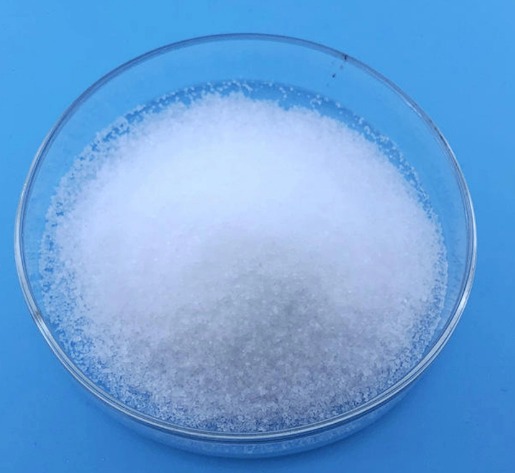
p-Nitrophenyl -a-L-Fucopyranoside CAS:10231-84-2
p-Nitrophenyl-α-L-Fucopyranoside is a chemical compound that belongs to the class of nitrophenyl glycosides. It is commonly used in biochemical research as a substrate for the enzyme α-L-fucosidase, which catalyzes its hydrolysis. This compound is colorless and soluble in organic solvents, making it convenient for enzymatic assays.
-

Heparin lithium salt CAS:9045-22-1
Heparin lithium is a chemical substance with a white to almost white powder appearance.
-

5-Bromo-6-Chloro-3-Indolyl Acetate CAS:102185-48-8
5-Bromo-6-chloro-3-indoxyl-3-acetate is a chemical compound that is commonly used as a substrate in enzymatic assays. It is often employed to detect the presence and activity of certain enzymes, such as esterases and hydrolases.
When added to a reaction mixture containing the specific enzyme, this compound undergoes enzymatic hydrolysis. As a result, it produces a colored or fluorescent product, allowing researchers to visualize and measure the activity of the enzyme.
This substrate is widely used in many different fields, including molecular biology, biochemistry, and clinical diagnostics. Its versatility and sensitivity make it a valuable tool for studying enzyme kinetics, activity, and inhibition.
-
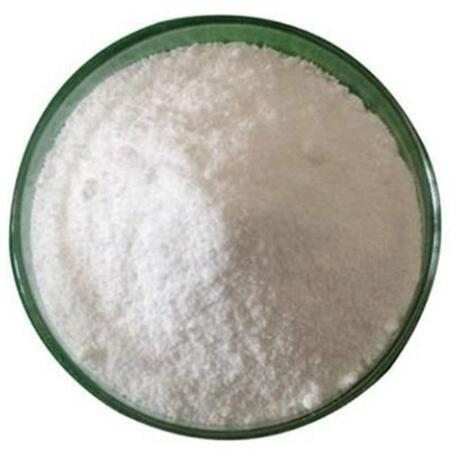
b-D-Glucopyranoside,2-chloro-4-nitrophenyl 2-(acetylamino)-2-deoxy- CAS:103614-82-0
2-chloro-4-nitrophenyl-N-acetylglucosaminide is a chemical compound that belongs to the family of N-acetylglucosamine derivatives. It is commonly used as a substrate in enzymatic assays to measure the activity of certain enzymes, such as glycosidases and glycosyltransferases.
The compound has a molecular structure consisting of a N-acetylglucosamine moiety, which is a derivative of glucose, and a 2-chloro-4-nitrophenyl group attached to the sugar molecule. The presence of the 2-chloro-4-nitrophenyl group makes this compound highly sensitive to enzymatic cleavage by glycosidases, resulting in the release of the 2-chloro-4-nitrophenol molecule. The amount of released 2-chloro-4-nitrophenol can be quantified through spectrophotometric measurements, allowing for the determination of enzyme activity.
.
-
3-(1-pyridinio)-1-propanesulfonate CAS:15471-17-7
3-(1-pyridinio)-1-propanesulfonate (also known as TPPS or TPPS3) is a sulfonated derivative of pyridine. It is a highly water-soluble compound that is commonly used as a fluorescent probe and photosensitizer in various applications, particularly in the field of photodynamic therapy (PDT).
-

4-Amino-3-hydrazino-1,2,4-triazol-5-thiol CAS:28836-03-5
4-Amino-3-hydrazino-1,2,4-triazol-5-thiol is a chemical compound with a complex structure consisting of an amino group (NH2), a hydrazino group (NHNH2), and a thiol group (SH) attached to a 1,2,4-triazole ring.
It is a relatively small molecule with potential use in various applications, including medicinal chemistry and pharmaceutical research. The presence of the amino and hydrazino groups suggests potential reactivity and affinity towards biological targets.
-

1Luminol monosodium salt CAS:20666-12-0
3-Aminophthalhydrazide monosodium salt is a chemical compound that is often used as a reagent in various biochemical and analytical applications. It is a derivative of phthalhydrazide, containing an amino group (NH2) instead of one of the hydrogen atoms on the phthalhydrazide molecule.
This compound is commonly used as a reducing agent or a catalyst in organic synthesis reactions. It can participate in a variety of reactions, including the reduction of carbonyl compounds to their corresponding alcohols, and the conversion of nitro compounds to their corresponding amines.
In addition to its role in organic synthesis, 3-Aminophthalhydrazide monosodium salt also has applications in analytical chemistry. For example, it has been used as a reagent for the determination and quantification of various analytes, such as aldehydes and ketones, through colorimetric or spectrophotometric methods.
Furthermore, this compound can be employed as a probe or indicator in biochemical and molecular biology experiments. It can react selectively with certain functional groups or biomolecules, enabling the detection or labeling of specific targets in biological samples.

