-
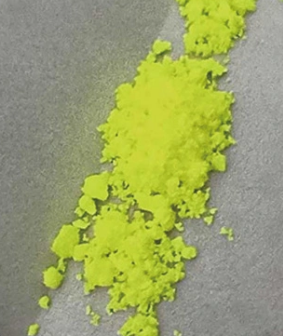
NSP-SA-NHS CAS:199293-83-9 Manufacturer Price
NSP-SA-NHS is a compound consisting of N-succinimidyl-6-(3′-pyridyldithio)hexanoate (NSP) and N-hydroxysuccinimide (NHS). It is commonly used as a crosslinking agent in bioconjugation reactions, specifically for coupling peptides, proteins, or other amine-containing molecules to surfaces or other molecules. The NSP moiety enables the formation of a stable thioester bond with the target molecule, while the NHS moiety allows for subsequent reaction with primary amines. NSP-SA-NHS is widely employed in various research and biomedical applications, including the preparation of immunoassays, antibody labeling, protein-protein interactions studies, and protein immobilization.
-
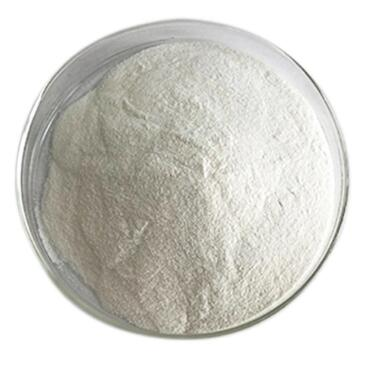
N-(1-Naphthyl)-3-aminopropanesulfonic Acid Sodium Salt CAS:104484-71-1
pH Indicator: The compound exhibits pH-dependent color changes, making it a useful pH indicator in various assays and experiments. It can be employed to monitor pH changes in biological samples, chemical reactions, and other systems.
Fluorescent Probe: N-(1-Naphthyl)-3-aminopropanesulfonic acid sodium salt possesses inherent fluorescence properties, making it suitable for fluorescence-based studies and labeling applications. It can be incorporated into analytical techniques for visualizing and tracking biological molecules or cellular structures.
Enzyme Assays: This compound is often used as a substrate or inhibitor in enzyme assays, especially those involving sulfonate groups or enzyme activity influenced by pH changes. It can help researchers study enzyme kinetics, inhibition mechanisms, and enzyme-substrate interactions.
Buffer Component: N-(1-Naphthyl)-3-aminopropanesulfonic acid sodium salt can be employed as a component of specific buffer systems, particularly those requiring a sulfonic acid group or certain pH ranges. It contributes to maintaining optimal pH conditions in experimental setups.
Chemical Synthesis: Due to its unique chemical structure, N-(1-Naphthyl)-3-aminopropanesulfonic acid sodium salt can serve as a building block or starting material for synthesizing various organic molecules or pharmaceutical compounds.
-
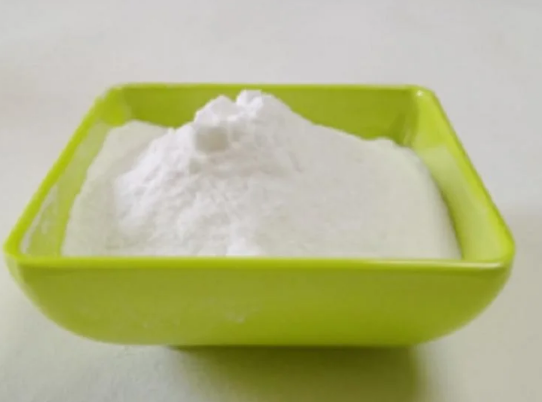
N-(2-Acetamide)iminodiacetic acid CAS:26239-55-4
N-(2-Acetamido)iminodiacetic acid is a compound that belongs to the class of amino acids known as chelating agents. It is commonly used as a complexing agent, particularly in medical and industrial applications. The compound has excellent metal chelating properties, meaning it can form stable complexes with various metal ions by coordinating to them through its functional groups.
-
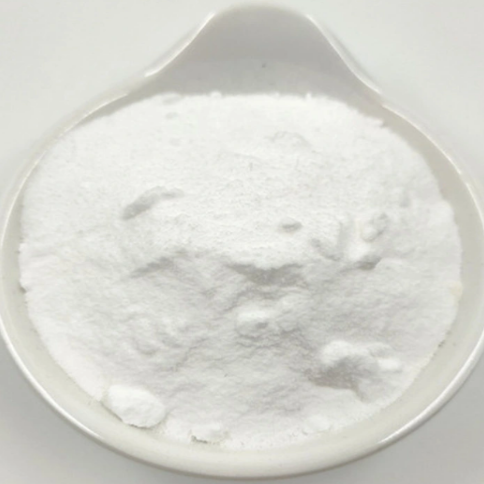
Disodium 4-nitrophenylphosphate CAS:4264-83-9
Disodium 4-nitrophenylphosphate is a chemical compound with the molecular formula C6H4NO6PNa2. It is a fine crystalline powder that is typically used in biological research and molecular biology applications. It is often utilized as a substrate in enzyme assays, particularly for phosphatase enzymes. This compound is known to undergo hydrolysis in aqueous solutions, resulting in the release of the free phosphate ion.
-

6-methoxyquinoline CAS:5263-87-6
6-Methoxyquinoline is an organic compound with the molecular formula C10H9NO. It is a heterocyclic aromatic compound consisting of a quinoline ring fused with a methoxy group at the 6-position.
This compound has various applications in organic synthesis and medicinal chemistry. It can serve as a building block for the synthesis of other quinoline derivatives and related compounds.
In medicinal chemistry, 6-Methoxyquinoline has shown potential pharmacological activities. It has been studied for its antimicrobial, antimalarial, and anticancer properties.
-
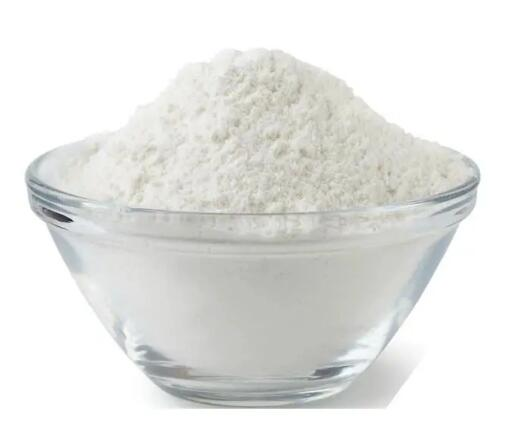
4-Benzylamino-7-nitrobenz-2-oxa-1,3-diazole CAS:18378-20-6
4-Benzylamino-7-nitrobenz-2-oxa-1,3-diazole is a chemical compound with a molecular formula C14H11N5O3. It is a heterocyclic compound that contains a diazole ring fused with a benzene ring. This compound is known for its fluorescent properties and is often used as a fluorescent dye in biological research and imaging applications. The benzylamino group attached to the diazole ring enhances its solubility and stability. The nitro group and the oxa atom (oxygen) in the diazole ring contribute to its unique chemical and physical properties.
-

TAPSO CAS:68399-81-5 Manufacturer Price
TAPSO (3-[N-tris(hydroxymethyl)methyl]amino]-2-hydroxypropanesulfonic acid) is a zwitterionic buffer commonly used in biological and biochemical research. It is an efficient buffering agent with a pKa close to physiological pH, making it suitable for maintaining a stable pH in biological experiments. TAPSO is often utilized in protein purification, enzyme assays, cell culture, and electrophoresis applications. Its high water solubility and low interference with biological processes make it a popular choice in the scientific community. TAPSO is known for its minimal effect on enzyme activity and is often used as an alternative to other buffering agents like Tris or phosphate buffers.
-

6-Methyl-2-pyridinyl2-(acetylamino)-2-deoxy-1-thio-beta-D-glucopyranoside CAS:149263-94-5
6-Methyl-2-pyridinyl 2-(acetylamino)-2-deoxy-1-thio-beta-D-glucopyranoside, also known as N-acetylglucosamine thiolactone, is a chemical compound with a specialized structure containing a pyridine ring, an acetylamino group, and a thiolactone moiety.
.
-
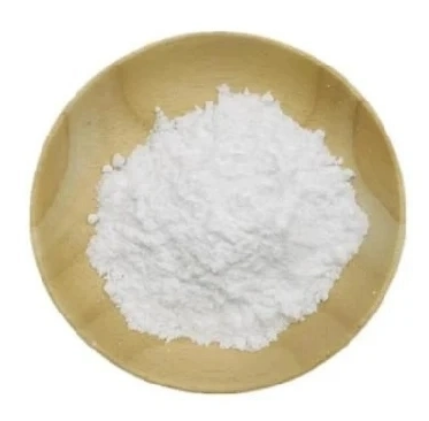
Sodium Glycocholate CAS:863-57-0
Sodium glycocholate is a bile salt compound that aids in the digestion and absorption of dietary fats. It is synthesized from glycine and cholic acid and plays a crucial role in breaking down fats into smaller droplets, increasing their surface area for efficient digestion. Sodium glycocholate is highly soluble in water and is used in pharmaceutical formulations to enhance the solubility and bioavailability of poorly soluble drugs. Additionally, it is used in research and laboratory settings to support the growth of certain bacteria and cell types.
-
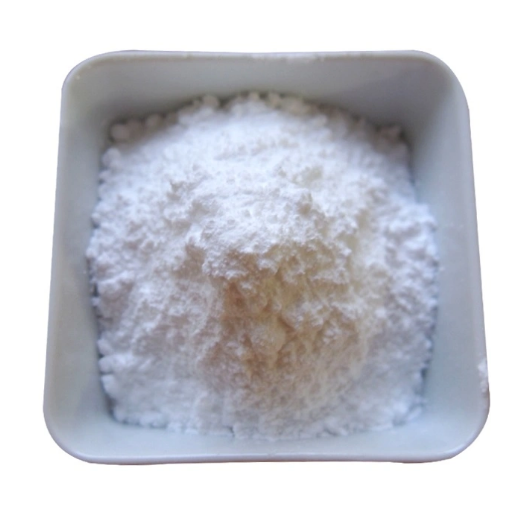
TAPS Sodium salt CAS:70331-82-7
TAPS sodium salt, also known as N-(Tris(hydroxymethyl)methyl)-2-aminoethanesulfonic acid sodium salt, is a versatile buffering agent and pH regulator. It is commonly used in biological and chemical research, pharmaceuticals, and diagnostics. TAPS-Na is a zwitterionic compound that helps maintain a stable pH in solutions, making it suitable for a wide range of experimental conditions. Its applications include cell culture, protein research, electrophoresis, chemical synthesis, and pharmaceutical formulations. TAPS-Na is a soluble and stable form of TAPS that is easy to handle and use in aqueous solutions.
-
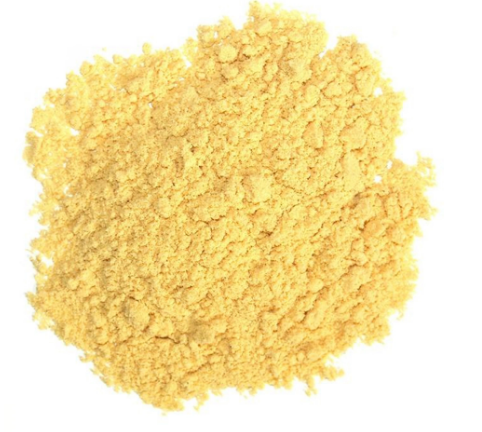
NBD chloride CAS:10199-89-0
NBD chloride, also known as 7-chloro-4-nitrobenzo-2-oxa-1,3-diazole, is a fluorescent dye commonly used in chemical and biological applications. It belongs to the class of nitrobenzoxadiazole (NBD) derivatives, which exhibit strong fluorescence properties.
NBD chloride is characterized by its ability to form covalent bonds with nucleophiles, such as primary amines, thiols, and hydroxyl groups. This property allows it to be used as a labeling agent for biomolecules, including proteins, peptides, nucleic acids, and other small molecules.
When NBD chloride reacts with a nucleophile, it undergoes a substitution reaction, resulting in the formation of a stable NBD-labeled product. This labeled product exhibits intense fluorescence emission, making it useful for various detection and imaging techniques.
The fluorescence emission of NBD-labeled molecules can be excited with ultraviolet (UV) light at around 470 nm, and the emitted light is typically detected at around 530 nm. This emission wavelength falls within the green region of the visible spectrum, where detection interference from biological samples is relatively low.
-
Proteinase K CAS:39450-01-6 Manufacturer Price
Proteinase K is a highly active serine protease enzyme that can catalyze the hydrolysis of peptide bonds in proteins. It is derived from the fungus Engyodontium album and is known for its wide range of substrate specificity. Proteinase K can efficiently cleave peptide bonds on the C-terminal side of hydrophobic, aliphatic, or aromatic amino acids, making it useful in various molecular biology and biochemistry applications.

