-
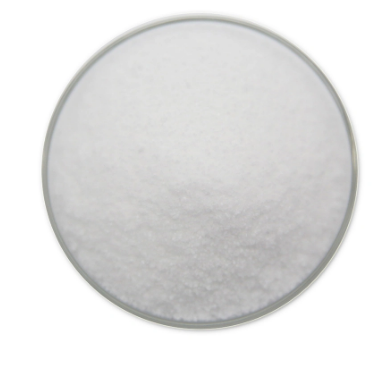
N-Acetyl-L-cysteine CAS:616-91-1
N-Acetyl-L-cysteine (NAC) is a modified form of the amino acid cysteine. It provides a source of cysteine and can be readily converted into the tripeptide glutathione, a powerful antioxidant in the body. NAC is known for its antioxidant and mucolytic properties, making it useful in various health applications.
As an antioxidant, NAC helps protect cells from damage caused by free radicals, reactive oxygen species, and toxins. It also supports glutathione synthesis, which plays a crucial role in the body’s detoxification processes and maintaining a healthy immune system.
NAC has been studied for its potential benefits in respiratory health, particularly for individuals with conditions such as chronic bronchitis, COPD, and cystic fibrosis. It is commonly used as an expectorant to help thin and loosen mucus, making it easier to clear the airways.
Furthermore, NAC has shown promise in supporting liver health by assisting in the removal of toxic substances, such as acetaminophen, a common pain reliever. It may also have protective effects against liver damage caused by alcohol consumption.
In addition to its antioxidant and respiratory support properties, NAC has been explored for its potential benefits in mental health. Some research suggests that it may have a positive impact on mood disorders, such as depression and obsessive-compulsive disorder (OCD).
-
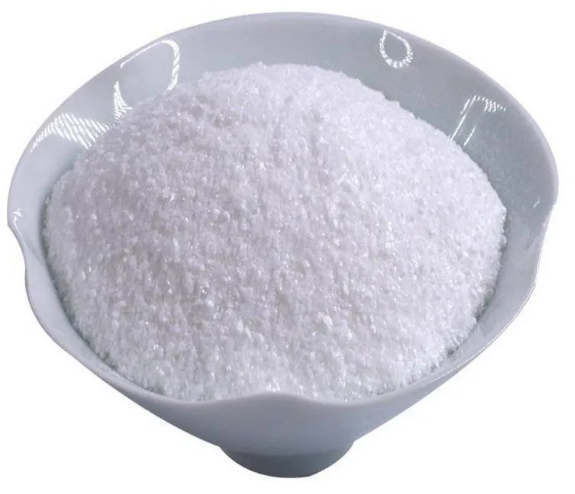
GLYCYL-L-PROLINE CAS:704-15-4
Glycyl-L-proline, also known as glycylproline or Gym-Pro, is an amino acid derivative that consists of the amino acid glycine attached to the amino acid L-proline. It is a naturally occurring compound found in collagen, a protein responsible for the structure and strength of various tissues in the body. Glycyl-L-proline has been studied for its potential health benefits, including promoting skin health, reducing inflammation, and supporting joint and bone health. It is also used in cosmetic formulations for its moisturizing and antioxidant properties.
-
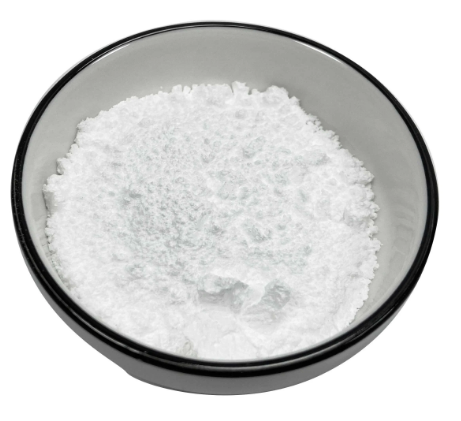
Guanidine Hydrochloride CAS:50-01-1
Guanidine hydrochloride is a chemical compound with the molecular formula CH5N3·HCl. It is a strong chaotropic agent widely used in biochemistry and molecular biology applications.
Guanidine hydrochloride is commonly used to denature proteins, disrupt protein structures, and unfold proteins for purification purposes. It is particularly effective in breaking hydrogen bonds and disrupting non-covalent interactions within proteins. This property makes it useful for solubilizing proteins that are normally insoluble or aggregate-prone.
It is also utilized as a protein stabilizer, protecting proteins from unwanted aggregation or denaturation during various biochemical and biophysical experiments. Guanidine hydrochloride can help maintain the native structure and activity of proteins under denaturing conditions.
-
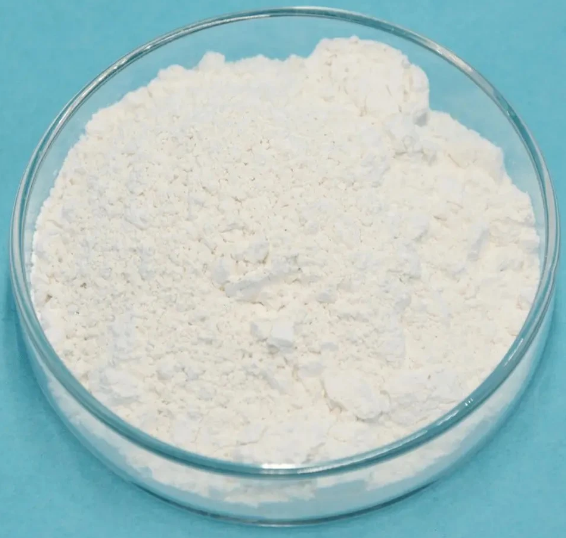
Acetylthiocholine iodide CAS:1866-15-5
Acetylthiocholine iodide is a chemical compound that is commonly used as a substrate in enzyme assays to measure the activity of the enzyme acetylcholinesterase (AChE). AChE is an enzyme that hydrolyzes the neurotransmitter acetylcholine, a critical step in terminating the signal transmission between nerve cells.
When acetylthiocholine iodide is acted upon by AChE, the acetyl group is removed, resulting in the formation of thiocholine and acetate ions. Thiocholine then reacts with a colorless reagent called DTNB (5,5′-dithiobis(2-nitrobenzoic acid)) to produce a yellow-colored compound called 5-thio-2-nitrobenzoate, which can be measured spectrophotometrically. The rate of color development is directly proportional to the activity of AChE in the sample.
-
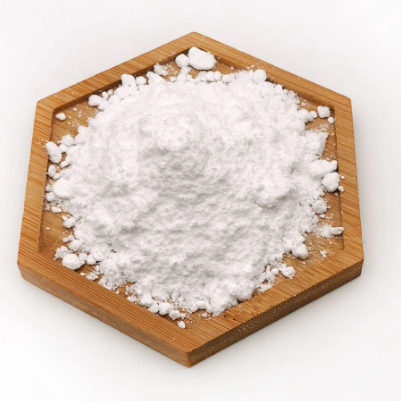
2-Methoxy-4-morpholinobenzenediazonium chloride zinc chloride double salt(21) CAS:67801-08-5
2-Methoxy-4-morpholinobenzenediazonium chloride zinc chloride double salt is a solid crystalline compound used as a reagent in organic synthesis. It consists of a diazonium cation, chloride anions, and zinc cations. This compound offers enhanced stability and solubility, making it suitable for various chemical and pharmaceutical applications.
-
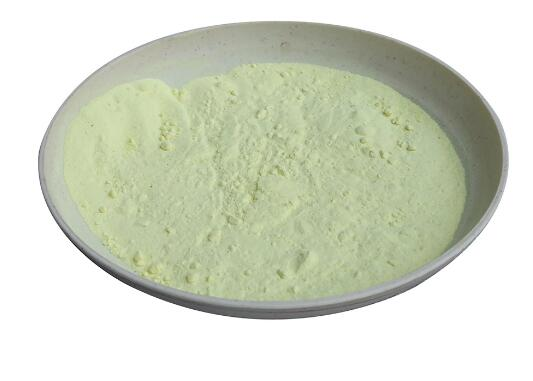
4,5-Diazafluoren-9-one CAS:50890-67-0
4,5-Diazafluoren-9-one is a chemical compound that belongs to the class of heterocyclic aromatic compounds. It consists of a fluorene skeleton with two nitrogen atoms (diaza) and an oxygen atom (one) attached at specific positions. It is commonly used as a building block or intermediate in organic synthesis, especially in the preparation of various organic compounds, pharmaceuticals, and dyes. Its structure and reactivity make it a valuable tool for creating diverse molecular structures and functional groups.
-

Tapso Sodium CAS:105140-25-8 Manufacturer Price
3-[N-Tris(hydroxymethyl)methylamino]-2-hydroxypropanesulfonic acid,It is a zwitterionic buffering agent in the form of a sodium salt. It is commonly used in biochemical and molecular biology experiments for maintaining a stable pH in solutions. It is highly soluble in water and has a pKa close to physiological pH, making it suitable for a wide range of applications such as protein purification, enzyme assays, cell culture, and electrophoresis. Its unique chemical structure and compatibility with biological systems make it an essential component in various laboratory protocols.
-
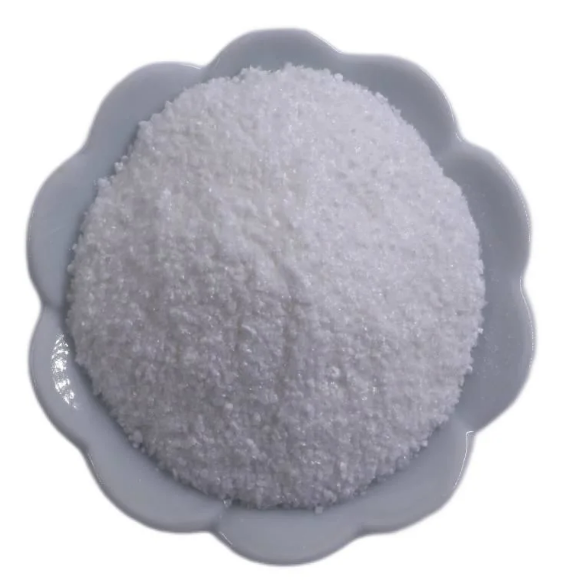
4-Nitrophenyl phosphate di(tris) salt CAS:68189-42-4
4-Nitrophenyl phosphate di(tris) salt is a chemical compound used in biochemical research and diagnostics. It is commonly utilized as a substrate for alkaline phosphatase enzyme assays. This salt, when hydrolyzed by alkaline phosphatase, produces a yellow-colored product that can be easily measured spectrophotometrically. This reaction is widely employed in various applications, including enzyme-linked immunosorbent assays (ELISAs) and phosphatase activity detection. The yellow color intensity is directly proportional to the enzyme activity, allowing for accurate quantification of alkaline phosphatase levels in biological samples. 4-Nitrophenyl phosphate di(tris) salt is stable, water-soluble, and highly sensitive, making it a popular choice for enzyme assays in biological and medical research.
-

Nitrotetrazolium blue chloride CAS:298-83-9
Nitrotetrazolium blue chloride, also known as NBT or NBT-Cl, is a chemical compound commonly used in biological and biochemical assays. It is a pale yellow crystalline powder that is soluble in water.
NBT is frequently used as an indicator to detect the presence of superoxide radicals or enzymes that generate them. It undergoes a color change when reduced by superoxide radicals, turning from yellow to a deep blue formazan precipitate. This reaction is often utilized in experiments to study oxidative stress, cellular respiration, and enzyme activity.
NBT is commonly employed in various techniques, such as nitroblue tetrazolium reduction, to visualize superoxide production in cells and tissues. It has also been used in immunohistochemistry and histochemistry to detect and localize other enzymes and cellular components.
-

NSP-AS CAS:211106-69-3 Manufacturer Price
The compound 3-[9-(((3-(carboxypropyl)[4-Methxylphenyl]sulfonyl)aMine)carboxyl]-10-acridiniuMyl)-1-propanesulfonate inner salt is a complex molecule consisting of an acridinium moiety attached to a propanesulfonate inner salt. It contains a carboxypropyl group, a 4-Methxylphenylsulfonyl group, and an amine group. This compound is likely synthesized for specific applications in areas such as chemistry, pharmaceuticals, or research.
Furthermore, NAC has shown promise in supporting liver health by assisting in the removal of toxic substances, such as acetaminophen, a common pain reliever. It may also have protective effects against liver damage caused by alcohol consumption.
In addition to its antioxidant and respiratory support properties, NAC has been explored for its potential benefits in mental health. Some research suggests that it may have a positive impact on mood disorders, such as depression and obsessive-compulsive disorder (OCD).
-
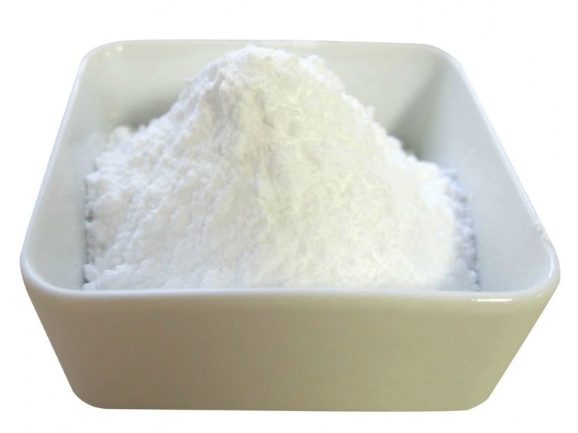
L-Leucine p-nitroanilide hydrochloride CAS:16010-98-3
L-Leucine p-nitroanilide hydrochloride is a chemical compound that belongs to the group of p-nitroanilide derivatives. It is a white to off-white crystalline powder that is commonly used in biochemical research and enzyme assays.
L-Leucine p-nitroanilide hydrochloride is often used as a substrate to measure the activity of enzymes like proteases and peptidases. When these enzymes cleave L-Leucine p-nitroanilide hydrochloride, it releases p-nitroaniline, which can be detected spectrophotometrically. The rate of the color change is directly proportional to the enzymatic activity, allowing for the quantification of enzyme activity in biological samples.
This compound is soluble in water and can be easily dissolved in appropriate buffer solutions for use in enzymatic assays. It is important to store L-Leucine p-nitroanilide hydrochloride in a cool and dry place to maintain its stability.
-
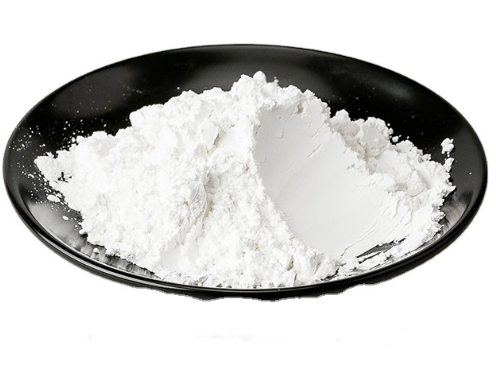
Guanidine Thiocyanate Sulfate CAS:593-84-0
Guanidine thiocyanate sulfate is a chemical compound derived from guanidine, thiocyanate, and sulfate ions. It is commonly used in molecular biology and biochemistry research as a chaotropic agent.
Guanidine thiocyanate sulfate is often utilized in DNA and RNA isolation protocols to disrupt cellular membranes and denature proteins, allowing for efficient extraction of nucleic acids. It helps in the solubilization of DNA and RNA, enabling their isolation and purification from various biological samples.
Due to its chaotropic properties, guanidine thiocyanate sulfate assists in breaking hydrogen bonding and other non-covalent interactions, facilitating the separation of nucleic acids from proteins, lipids, and other cellular components. It also helps in inhibiting RNase activity, ensuring the integrity and purity of the extracted nucleic acids.

