-
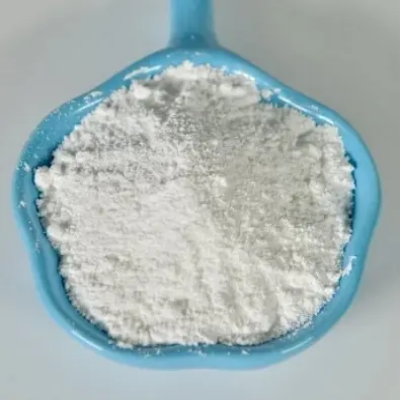
Sodium Bicarbonate CAS:144-55-8
Sodium bicarbonate, also known as baking soda, is a white crystalline powder with a slightly salty taste. It is commonly used in baking as a leavening agent to help dough rise and create a light, fluffy texture. In addition to its culinary uses, sodium bicarbonate is also used for various household cleaning purposes, as well as in personal care products like toothpaste and deodorant. Furthermore, it has medicinal applications, such as relieving heartburn and indigestion when taken orally. Its chemical formula is NaHCO3.
-
Sodium Guanylate CAS:5550-12-9
Guanosine 5′-monophosphate disodium salt is a new generation of nucleotide food freshness enhancer. It can be used in all kinds of food and can be used in moderation according to production needs.
-
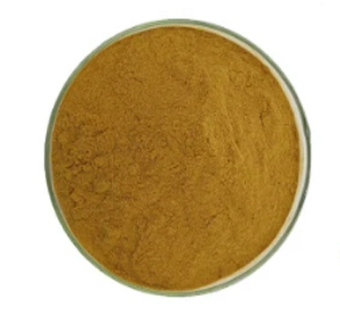
Tea Saponin CAS:8047-15-2
Tea saponin, also known as tea saponin, is a kind of glycoside compound extracted from tea tree seeds (tea seeds, tea seeds). It is a kind of natural surfactant with good performance. It can be widely used in light industry, chemical industry, pesticide , feed, breeding, textiles, oil extraction, mining, building materials and highway construction and other fields.
-
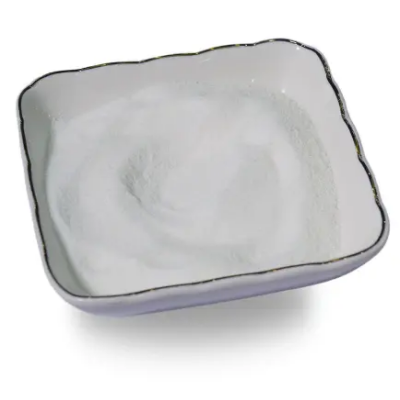
Sodium Inosinate CAS:4691-65-0
Sodium inosinate is a food additive commonly used as a flavor enhancer. It is often found in savory snacks, canned soups, and processed meats. This compound is a sodium salt of inosinic acid, which is naturally present in various animals and plants. As a food additive, sodium inosinate is typically used in combination with monosodium glutamate (MSG) to enhance the umami flavor in food products. It is generally recognized as safe for consumption by regulatory authorities when used in appropriate amounts
-
Transglutaminase (TG) CAS:80146-85-6
Transglutaminase (TG) is an enzyme that catalyzes the formation of covalent bonds between protein molecules. It is commonly used in food processing to improve texture, binding, and shelf life. In addition, TG is also utilized in medical and pharmaceutical applications for drug delivery and tissue engineering. As a versatile enzyme, TG plays a crucial role in various industries due to its ability to modify and enhance the properties of proteins.
-
Vanillin CAS:121-33-5 Manufacturer Supplier
Vanillin is a synthetic compound that resembles the flavor and aroma of vanilla. It is commonly used as a flavoring agent in food, beverages, and pharmaceuticals. Vanillin is also used in the production of perfumes and as a chemical intermediate in the manufacture of pharmaceuticals and other fine chemicals.
-
Zinc Acetate CAS:557-34-6 Manufacturer Supplier
Zinc acetate is a chemical compound with the formula Zn(CH3COO)2. It is a white crystalline solid with a slightly acidic taste. Zinc acetate is commonly used as a dietary supplement to treat zinc deficiency. It is also used in the production of various pharmaceuticals, as a mordant in dyeing, and as a catalyst in organic synthesis. Additionally, zinc acetate has astringent properties and is used in some topical antiseptic ointments. In the food industry, it is used as a flavoring agent and as a preservative. Furthermore, zinc acetate is employed in the production of certain types of plastics and as a corrosion inhibitor in some industrial processes. Due to its diverse applications, zinc acetate is an important compound in various fields, including medicine, chemistry, and manufacturing.
-
Isolated Soy Protein (ISP) CAS:9010-10-0 Manufacturer Supplier
Soy protein isolate is a dietary additive that includes a certain amount of carbohydrates, associated sugars and fibre. It is processed in exactly the same way, but everything is removed, except the protein. All carbohydrates and fibre are extracted from eth already defatted beans. This leaves an all-protein end result that is more ‘pure’ than its counterpart.
-
Xanthan Gum CAS:11138-66-2 Manufacturer Supplier
Xanthan Gum is a long chain polysaccharide, which is made by mixing fermented sugars (glucose, mannose, and glucuronic acid) with a certain kind of bacteria. It is mainly used to thicken and stabilize emulsions, foams, and suspensions.Xanthan gum is widely used as a food additive to control the rheological properties of a wide range of food products. In manufacturing, xanthan gum is used as a thickening and stabilizing agent in toothpastes and medicines. It is used to make medicine for lowering blood sugar and total cholesterol in people with diabetes. It is used as a laxative. Xanthan gum is sometimes used as a saliva substitute in people with dry mouth (Sjogren’s syndrome).
-

Microcrystalline Cellulose CAS:9004-34-6 Manufacturer Supplier
Microcrystalline cellulose is a purified, partially depolymerized cellulose that occurs as a white, odorless, tasteless, crystalline powder composed of porous particles. It is commercially available in different particle sizes and moisture grades that have different properties and applications.
-

Pectin CAS:9000-69-5 Manufacturer Supplier
Pectin is a polysaccharide is rich in galacturonic acid and possesses a complex structure and function.Pectin is a high molecular weight polyuronide. It is related to the carbohydrate family and is present in fruits and berries.Pectin is used as a thickening agent in cosmetic preparations given its gelling properties. It is soothing and mildly acidic and extracted from apples or the inner portion of citrus fruit rind.
-

Polyglycerol Fatty Acid Ester(PGFE) CAS:67784-82-1 Manufacturer Supplier
Polyglyceryl Ester Of Fatty Acid (PGFE) is the general name of a series of products, also known as polyglycerin ester (PGFE), polyglycerol mono-polyfatty acid ester, fatty acid polyglycerin ester, characterized by more hydrophilic hydroxyl groups.