-
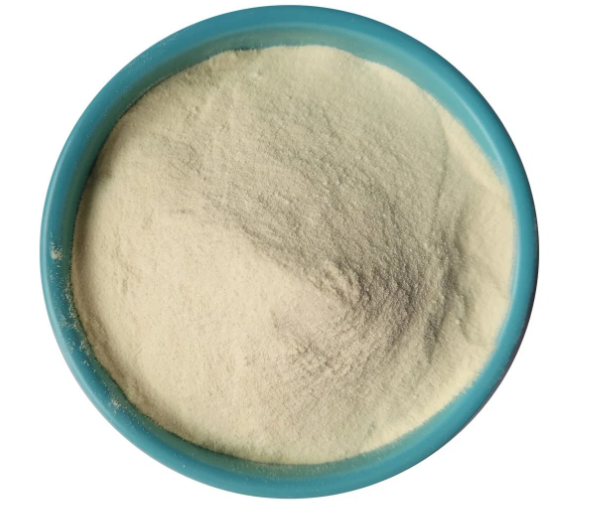
BCIP Na) 5-Bromo-4-chloro-3-indolyl phosphate disodium salt CAS:102185-33-1
5-Bromo-4-chloro-3-indolyl phosphate disodium salt is a synthetic compound commonly used in biochemical research as a chromogenic substrate for detecting the activity of alkaline phosphatase enzymes. It is often referred to as BCIP for short.
When alkaline phosphatase acts upon BCIP, it cleaves off the phosphate group, resulting in the formation of a blue-purple precipitate. This color change allows researchers to visualize and quantify the presence of alkaline phosphatase in a sample.
BCIP is frequently used in various applications, including immunohistochemistry, protein and nucleic acid blotting techniques, and enzyme-linked immunosorbent assays (ELISAs).
-
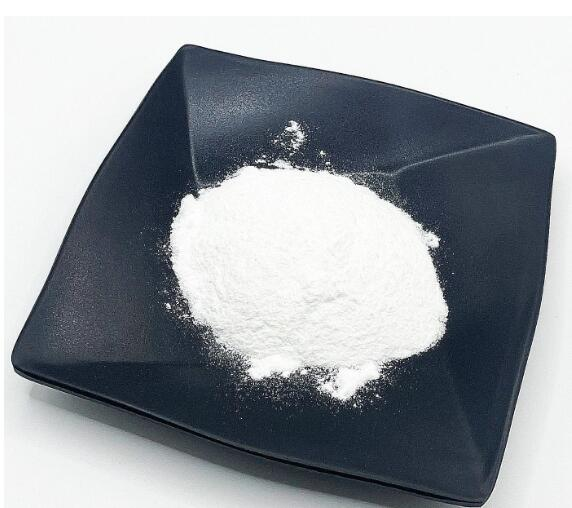
PMSF CAS:329-98-6 Manufacturer Price
Phenylmethylsulfonyl fluoride, also known as PMSF, is a chemical compound commonly used as a serine protease inhibitor. It is a reactive and potent irreversible inhibitor that works by binding and modifying the active site of serine proteases, effectively preventing their enzymatic activity. PMSF is particularly useful in biochemical and molecular biology research for studying protein purification, protein-protein interactions, and proteolysis. It is often used to protect proteins from degradation during purification procedures and to inhibit protease activity in cell lysates and extracts.
-
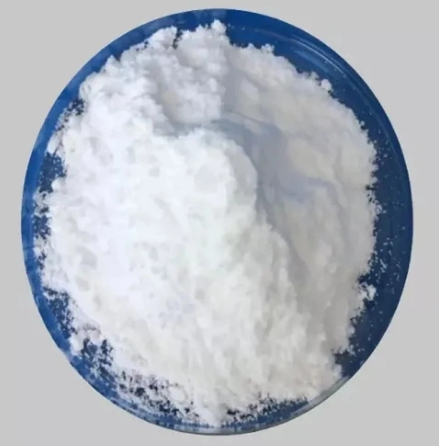
Iodoacetamide CAS:144-48-9 Manufacturer Price
Iodoacetamide is a chemical compound commonly used in biochemistry and molecular biology research. It is a thiol-reactive compound that specifically modifies cysteine residues in proteins by forming a covalent bond. This modification is often used in protein analysis techniques to block cysteine residues, such as in proteomics studies where it is utilized to selectively label and block cysteine residues prior to protein digestion and mass spectrometry analysis. Iodoacetamide is also used in protein structure studies and in the synthesis of labeled peptides.
-
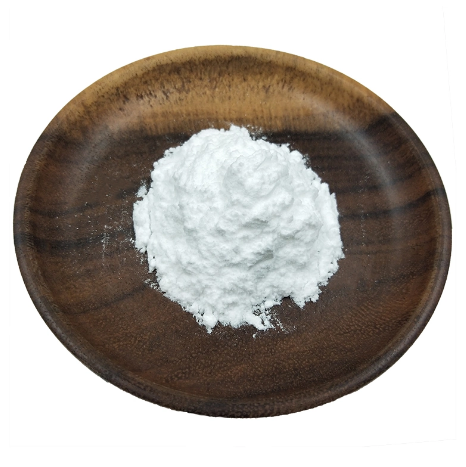
Dodecyl trimethyl ammonium bromide CAS:1119-94-4
Dodecyl trimethyl ammonium bromide, also known as DTAB or DTB, is a quaternary ammonium compound commonly used as a surfactant or detergent. It is a white, solid powder that is soluble in water.
DTAB is often utilized in various industries and applications, including personal care products, pharmaceuticals, and research laboratories. It can act as a cleaning agent, emulsifier, foaming agent, or wetting agent.
In personal care products, DTAB can be found in shampoos, conditioners, soaps, and body washes. It helps to create a lather, increase product stability, and improve the spreadability of the formulation.
In pharmaceuticals, DTAB is used in the formulation of various drug delivery systems, including microemulsions, nanoemulsions, and liposomes. It aids in drug solubilization and stabilization, enhancing drug absorption and effectiveness.
In research laboratories, DTAB is frequently employed in biological and biochemical studies. It can be used for membrane protein extraction and purification, DNA extraction, and gene delivery systems.
-
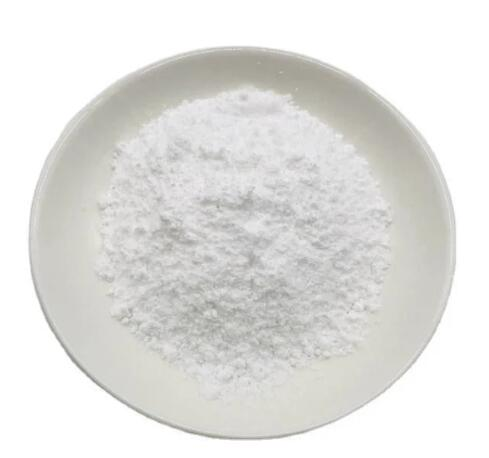
N,N-Dimethyl-1,4-phenylenediamine dihydrochloride CAS:536-46-9
N,N-Dimethyl-1,4-phenylenediamine dihydrochloride is a chemical compound that is commonly referred to as DMPD dihydrochloride. It is a solid, crystalline substance that is soluble in water and other polar solvents.
DMPD dihydrochloride is often used in various chemical reactions and processes, including oxidation and reduction reactions. It can serve as a source of electrons or as an electron acceptor, making it useful in the synthesis of dyes, pharmaceuticals, and other organic compounds.
In addition to its reactivity, DMPD dihydrochloride is known for its strong reducing properties. It can be used as a reductant in analytical chemistry techniques, such as spectrophotometry, where it helps to quantify the concentration of certain substances.
-
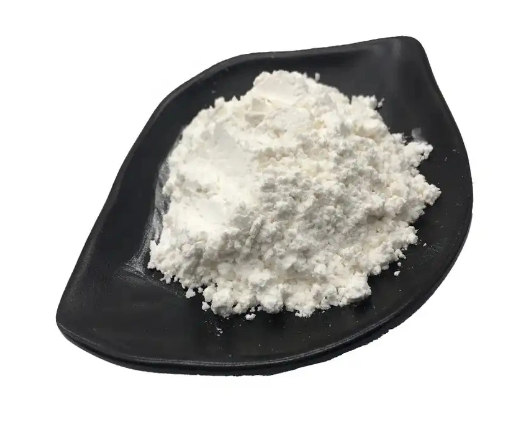
BCIP-Toluidine)5-Bromo-4-chloro-3-indolylphosphate-p-toluidine salt CAS:6578-06-9
5-Bromo-4-chloro-3-indolyl phosphate p-toluidine salt is a chemical compound commonly used in molecular biology and biochemistry research. It is often used in enzyme-linked immunosorbent assays (ELISA) and protein labeling techniques.
This compound is a substrate for alkaline phosphatase, an enzyme widely used in molecular biology for detecting the presence of specific molecules or proteins through colorimetric or chemiluminescent reactions.
When the alkaline phosphatase enzyme is present, it cleaves the phosphate groups from 5-Bromo-4-chloro-3-indolyl phosphate p-toluidine salt, resulting in the formation of a blue or purple dye. This color change can be easily detected and quantified, enabling the measurement of enzyme activity or the presence of target molecules.
-
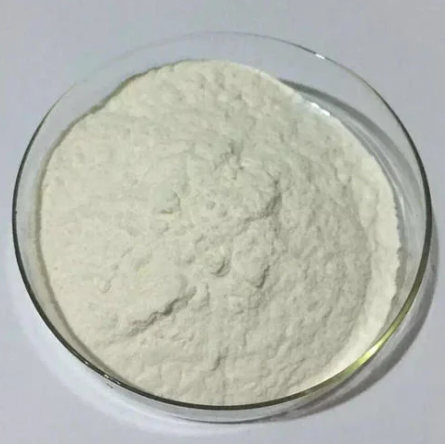
Sodium dodecylbenzenesulphonate CAS:25155-30-0
Sodium dodecylbenzenesulphonate (SDBS) is an anionic surfactant and detergent commonly used in various industries. It is known for its ability to lower the surface tension of liquids, making them easier to spread and enhancing their cleaning, foaming, and emulsifying properties. SDBS is used in household and industrial detergents, cleaning products, and as an emulsifier in different applications. It is also used in industrial processes, analytical chemistry, and research laboratories.
-

Trypan Blue CAS:72-57-1 Manufacturer Price
Trypan Blue is a blue dye commonly used in biological research and medical procedures. It is frequently used to stain and differentiate living cells from non-living cells or debris. Trypan Blue is particularly useful in cell viability assays and cell counting methods. It works by selectively staining dead or non-viable cells, allowing researchers to easily identify and count live cells under a microscope. Trypan Blue can be used with various cell types and is a valuable tool in many areas of cell biology and clinical diagnostics.
-
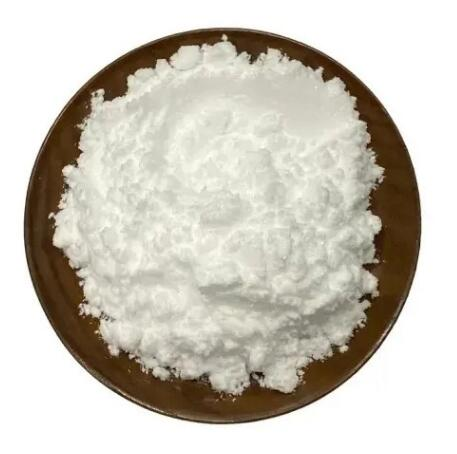
5-Sulfosalicylic acid dihydrate CAS:5965-83-3
5-Sulfosalicylic acid dihydrate is a chemical compound that is commonly used in biochemical and pharmaceutical laboratories. It is a white crystalline substance that is highly soluble in water. 5-Sulfosalicylic acid dihydrate is a derivative of salicylic acid and has a molecular formula of C7H6O6S. It is often employed as a reagent for protein precipitation and can be used to measure proteins in biological samples, such as urine and serum. Additionally, it can be utilized in the determination of various substances, including nucleic acids, enzymes, hormones, and drugs. The dihydrate form of the compound indicates that it contains two molecules of water per molecule of the acid.
-
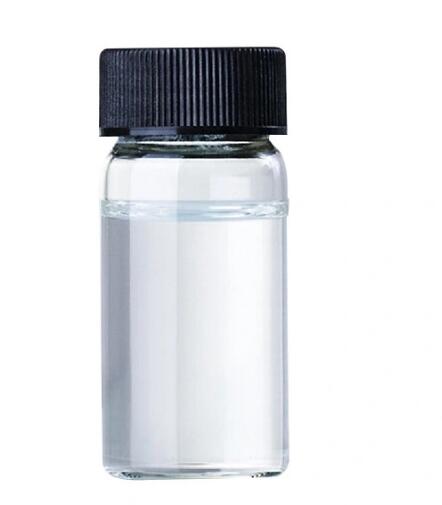
DEPC CAS:1609-47-8 Manufacturer Price
Diethyl pyrocarbonate (DEPC) is a chemical compound commonly used in molecular biology laboratories. It is a clear and colorless liquid that is highly reactive towards nucleophilic compounds such as amines and thiols.DEPC is primarily used to inactivate RNases (ribonucleases), enzymes that can degrade RNA, by modifying their active sites. It achieves this by reacting with histidine residues in the enzyme, which are essential for its activity. This makes DEPC a valuable tool in RNA-related experiments and ensures the preservation of RNA integrity.In addition to its RNase inactivating properties, DEPC can also modify other biomolecules, such as proteins and DNA, due to its reactivity with nucleophilic groups. Care should be taken when handling DEPC, as it is toxic and potentially mutagenic.
-
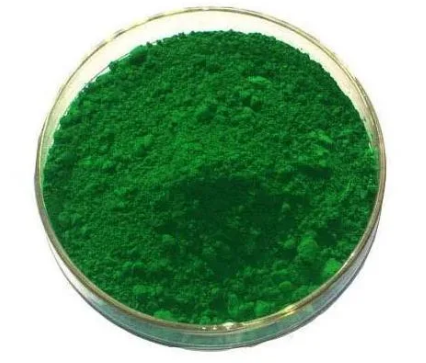
Xylene Cyanole FF CAS:2650-17-1
Xylene Cyanole FF is a synthetic dye that is commonly used in laboratory applications. It is often used in molecular biology and biochemistry experiments for various purposes.
One of the common uses of Xylene Cyanole FF is as a tracking dye in agarose gel electrophoresis. It is added to DNA or RNA samples before loading them onto the gel. The dye migrates at a specific rate during electrophoresis, allowing researchers to visually track the progress of the sample as it moves through the gel.
Additionally, Xylene Cyanole FF can be used as a marker or reference point in nucleic acid analysis. When combined with other dyes, such as bromophenol blue, it helps visualize the migration of nucleic acids during gel electrophoresis.
Xylene Cyanole FF is a dark blue dye that is easily visible and does not inhibit enzymatic reactions or interfere with subsequent analysis of nucleic acids. It is usually supplied as a powder or as a concentrated solution that can be diluted as needed.
-
8-Anilino-1-naphthalenesulfonic acid ammonium salt CAS:28836-03-5
8-Anilino-1-naphthalenesulfonic acid ammonium salt is a chemical compound that is commonly used as a fluorescent dye. It has a structure consisting of an aniline group attached to a naphthalenesulfonic acid molecule with an ammonium salt. This compound is soluble in water and exhibits a strong absorption and emission in the visible light range.
Due to its fluorescent properties, 8-Anilino-1-naphthalenesulfonic acid ammonium salt is often used as a probe or indicator in various biochemical and biophysical studies. It can be used to detect changes in pH, conformational changes in proteins, protein-ligand interactions, and the presence of certain ions.
When excited with an appropriate wavelength of light, this compound emits a bright blue fluorescence, allowing for easy detection and measurement. Its fluorescence properties make it a valuable tool in research areas such as molecular biology, biochemistry, and cell biology.