-
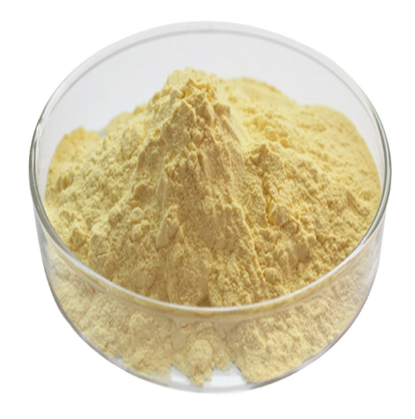
Xanthine oxidase CAS:37189-34-7 Manufacturer Price
Xanthine oxidase (XO) is an enzyme that plays a role in purine metabolism, specifically in the conversion of hypoxanthine to xanthine and xanthine to uric acid. This enzymatic reaction produces reactive oxygen species (ROS) as byproducts. Xanthine oxidase is mainly found in the liver and intestines but it can also be found in other tissues.
The activity of xanthine oxidase is tightly regulated in the body, and excessive activity of this enzyme can have negative effects. Elevated levels of xanthine oxidase and increased production of uric acid can lead to hyperuricemia and gout, a form of arthritis characterized by the deposition of uric acid crystals in joints.
-
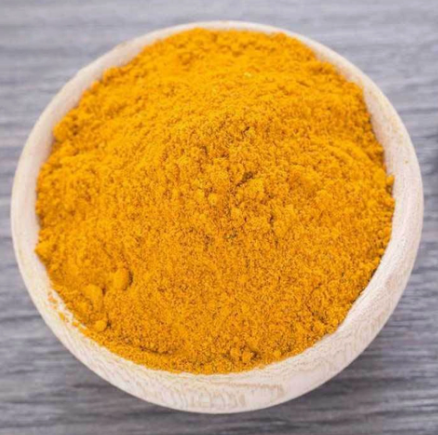
Coenzyme Q10 CAS:303-98-0 Manufacturer Price
Coenzyme Q10, also known as CoQ10 or ubiquinone, is a naturally occurring compound in the body that plays a crucial role in cellular energy production. It is found in every cell, especially in the mitochondria, where it helps convert food into energy in the form of adenosine triphosphate (ATP).
Coenzyme Q10 acts as an antioxidant, protecting cells from damage caused by free radicals and oxidative stress. Additionally, it has been observed to have anti-inflammatory properties and may support cardiovascular health by improving blood flow and reducing oxidative damage to blood vessels.
-
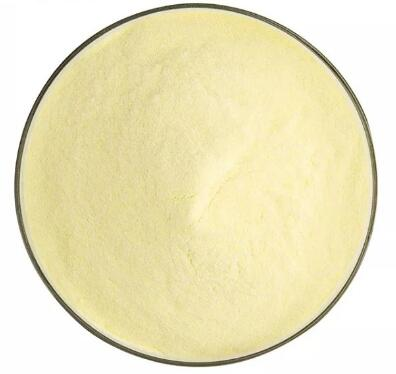
Amylase, a-, Aspergillus oryzae CAS:9001-19-8 Manufacturer Price
Amylase is an enzyme that facilitates the breakdown of starch into simpler sugars such as maltose and glucose. It is commonly produced by various organisms, including bacteria, fungi, and plants.
The “a-” in “a-amylase” refers to the type of amylase that specifically hydrolyzes the internal alpha-1,4 glycosidic bonds within the starch molecule. This results in the production of shorter chain polysaccharides, which can be further broken down into glucose by other amylase enzymes.
Aspergillus oryzae is a species of filamentous fungus known for its ability to produce high amounts of amylase. It is commonly used in industrial enzyme production processes due to its potent amylolytic activity. The enzymes produced by Aspergillus oryzae, including a-amylase, are widely utilized in various industries, such as food, brewing, textile, and detergent manufacturing.
In the food industry, a-amylase derived from Aspergillus oryzae is often used in baking, brewing, and starch processing. It helps to break down starch in dough, malt, and other raw materials, facilitating the conversion of complex carbohydrates into simple sugars that can be metabolized by yeast or bacteria during fermentation. This enzyme is also utilized in textile manufacturing to facilitate the removal of starch-based sizing agents from fabrics.
-
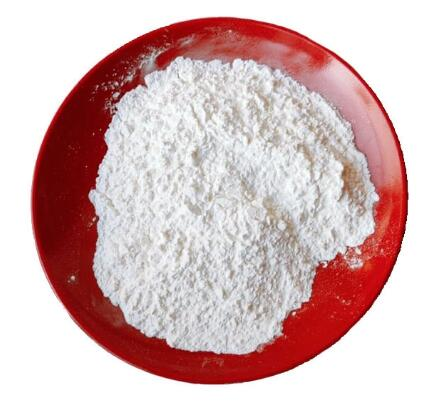
Aprotinin CAS:9087-70-1 Manufacturer Price
Aprotinin is a natural protein-based inhibitor of various proteolytic enzymes, including trypsin, chymotrypsin, and plasmin. It is commonly used in medical settings, particularly in cardiovascular surgeries, to reduce bleeding and minimize blood loss. Aprotinin works by inhibiting the activity of these enzymes, which are involved in the breakdown of blood clots and the degradation of fibrin, a protein that helps in clot formation. By preventing excessive enzymatic activity, aprotinin helps maintain the stability of blood clots, thereby reducing bleeding complications during surgery.
-
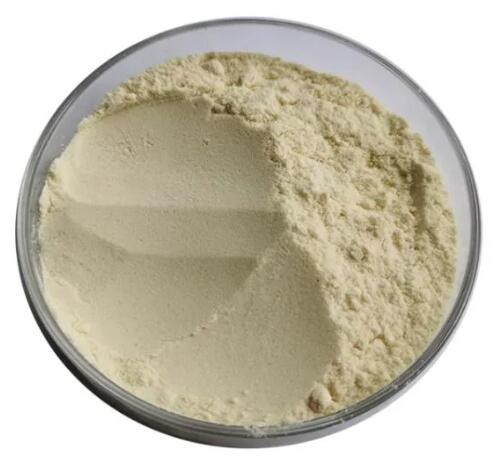
Pyridoxal-5′-phosphate monohydrate CAS:41468-25-1
Pyridoxal-5′-phosphate monohydrate, also known as PLP, is the active form of vitamin B6. It is an essential coenzyme involved in a wide range of enzymatic reactions in the body. PLP plays a vital role in amino acid metabolism, neurotransmitter synthesis, and the synthesis of heme, a component of hemoglobin.
PLP functions as a coenzyme by binding to specific enzymes and aiding in chemical reactions. It acts as a catalyst, facilitating the conversion of various substances, such as amino acids, into different products. PLP is particularly important in the metabolism of amino acids, such as the conversion of tryptophan into serotonin, or the breakdown of glycine into serine.
In addition to its role in amino acid metabolism, PLP is also involved in the synthesis of neurotransmitters like dopamine, norepinephrine, and gamma-aminobutyric acid (GABA). These neurotransmitters are essential for proper brain function and are involved in mood regulation, cognition, and the transmission of signals between nerve cells.
Furthermore, PLP is necessary for the synthesis of heme, a component of hemoglobin found in red blood cells. Hemoglobin is responsible for carrying oxygen throughout the body, making PLP crucial for maintaining normal oxygen levels and ensuring proper functioning of various organs and tissues.
Due to its importance in numerous biochemical processes, PLP supplementation is sometimes recommended for individuals with certain medical conditions or deficiencies that affect vitamin B6 metabolism. It is available in supplement form and can be prescribed by healthcare providers for specific needs.
-
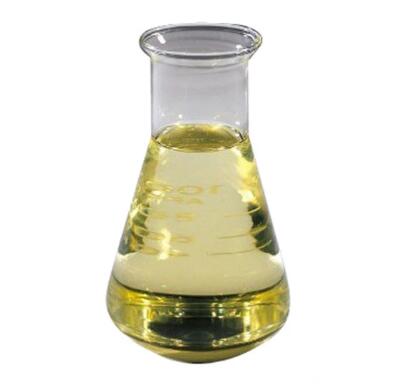
Reductase, glutathione CAS:9001-48-3
Glutathione reductase is an enzyme that plays a crucial role in maintaining the balance of reduced and oxidized glutathione (GSH/GSSG) in cells. Glutathione is a tripeptide composed of the amino acids glycine, cysteine, and glutamate. It acts as a major cellular antioxidant and is involved in various cellular processes, including detoxification, DNA synthesis and repair, and protein synthesis.
Glutathione reductase catalyzes the reduction of oxidized glutathione (GSSG) to its reduced form (GSH) by utilizing NADPH (nicotinamide adenine dinucleotide phosphate) as a cofactor. This reaction is essential for maintaining the reduced state of glutathione in cells, as GSSG can accumulate in the presence of oxidative stress.
By maintaining the proper ratio of GSH to GSSG, glutathione reductase helps to protect cells from oxidative damage caused by reactive oxygen species (ROS) and other harmful molecules. It acts as a key player in the antioxidant defense system of cells.
Moreover, glutathione reductase is also involved in recycling glutathione disulfide (GSSG) produced during various metabolic processes, ensuring the availability of reduced glutathione (GSH) for its numerous cellular functions.
-
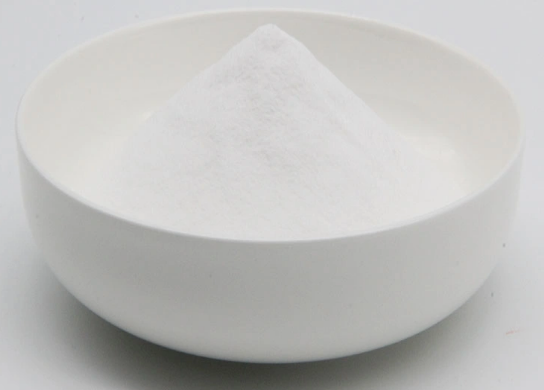
Leupeptin hemisulfate CAS:103476-89-7
Leupeptin hemisulfate is a protease inhibitor that is commonly used in biochemical and biomedical research. It is derived from Streptomyces bacteria and works by inhibiting the activity of various proteases, including trypsin, chymotrypsin, and plasmin.
Leupeptin hemisulfate is often used in laboratory experiments to prevent unwanted protein degradation, as proteases can degrade proteins and peptides, affecting experimental results. By inhibiting protease activity, leupeptin hemisulfate helps to stabilize proteins and maintain their integrity during experiments.
Additionally, leupeptin hemisulfate has been used in cell culture studies to investigate the roles of proteases in various cellular processes, such as cell signaling, apoptosis, and protein turnover.
-
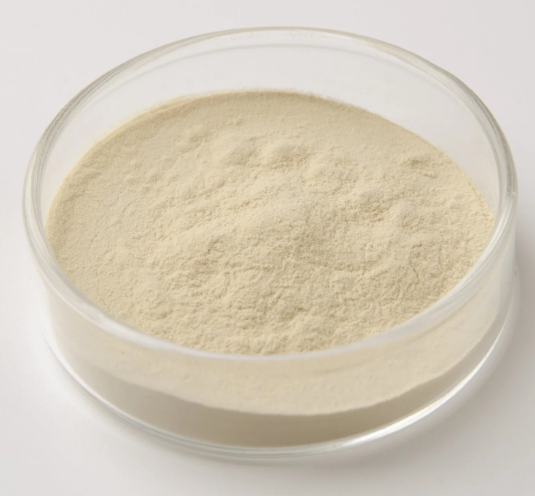
Lipase from porcine pancreas CAS:9001-62-1
Lipase is an enzyme that catalyzes the hydrolysis of lipids, specifically the breakdown of triglycerides into fatty acids and glycerol. It is produced by various organisms, including animals, plants, and microorganisms. Lipase plays a crucial role in digestion, as it helps in the breakdown and absorption of dietary fats in the small intestine. Additionally, lipase has numerous applications in industries such as food processing, detergent manufacturing, pharmaceuticals, and biofuel production. Its ability to hydrolyze lipids makes it valuable for tasks such as lipid modification, flavor enhancement, and oil extraction.
-
Lysostaphin CAS:9011-93-2 Manufacturer Price
Lysostaphin is a potent antimicrobial enzyme that specifically targets and kills Staphylococcus aureus, a bacterium responsible for various infections in humans. It is derived from the bacterium Staphylococcus simulans and has the ability to break down the cell wall of S. aureus, leading to its destruction.
The enzyme specifically targets the peptidoglycan layer of the bacterial cell wall, disrupting its structure and causing bacterial lysis. This unique mechanism of action makes lysostaphin highly effective against S. aureus strains, including those that are resistant to commonly used antibiotics.
-
L-Lactate dehydrogenase CAS:9001-60-9
L-Lactate dehydrogenase (LDH) is an enzyme that plays a crucial role in cellular energy metabolism, specifically in the conversion of pyruvate to lactate. It catalyzes the reversible conversion of L-lactate to pyruvate, utilizing NAD+ as a cofactor.
LDH is found in various tissues of the body, including the liver, heart, muscles, and red blood cells. Its activity levels can serve as a diagnostic marker for certain diseases, such as liver damage, myocardial infarction, and some types of cancer.
The main function of LDH is to maintain the balance of cellular energy by facilitating the conversion of pyruvate, a product of glycolysis, into lactate. This process, known as anaerobic glycolysis, occurs in the absence of oxygen and allows cells to continue generating energy when oxygen supply is limited.
-
Pepsin CAS:9001-76-7 Manufacturer Price
Pepsin is a digestive enzyme found in the stomach that plays a critical role in the digestion and breakdown of proteins. It belongs to a group of enzymes called proteases, which are responsible for breaking down proteins into smaller peptides and amino acids, allowing for their absorption in the small intestine.
Pepsin is produced and secreted by the cells lining the stomach, known as chief cells, in an inactive form called pepsinogen. When food enters the stomach, it triggers the release of gastric acid, which converts pepsinogen into its active form, pepsin. Pepsin functions optimally in an acidic environment, as the low pH of the stomach helps to activate and maintain its enzymatic activity.
-
Protein Kinase Supplement KT5823 CAS:126643-37-6
Protein kinase supplement KT5823 is a small molecule inhibitor that specifically targets and inhibits protein kinase activity. Protein kinases are enzymes that phosphorylate proteins by adding phosphate groups to specific amino acid residues, typically serine, threonine, or tyrosine. This phosphorylation process plays a crucial role in various cellular signaling pathways, regulating protein function, and controlling cellular processes such as cell growth, division, differentiation, and apoptosis.
KT5823 is commonly used in research studies to investigate the function and signaling pathways of protein kinases. By inhibiting protein kinases, KT5823 can help researchers determine the specific proteins and pathways affected by kinase activity. This information can be insightful in understanding the role of protein kinases in cellular functions and potentially identifying new therapeutic targets.