-
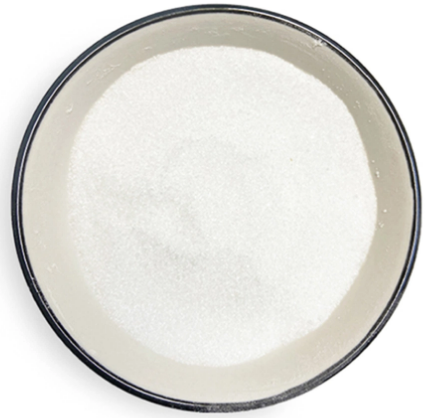
Calpain Inhibitor IV CAS:133407-82-6
Calpain Inhibitor IV is a type of drug that specifically targets and inhibits the activity of the enzyme calpain. Calpain is a calcium-dependent protease enzyme that plays a role in various cellular processes, including cell signaling, apoptosis, and cytoskeletal remodeling.
By inhibiting calpain, Calpain Inhibitor IV helps prevent the excessive and uncontrolled activation of this enzyme, which can lead to cellular damage and dysfunction. This inhibition can be beneficial in conditions where calpain overactivity is implicated, such as neurodegenerative disorders like Alzheimer’s and Parkinson’s diseases, ischemic injury, or muscle degeneration conditions.
-
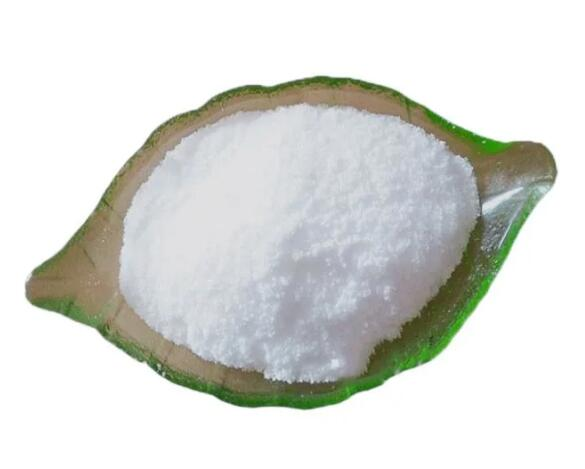
Carboxypeptidase B CAS:9025-24-5
Carboxypeptidase B is an enzyme that plays a crucial role in protein digestion and metabolism. Specifically, it catalyzes the hydrolysis of peptide bonds at the C-terminal end of proteins, resulting in the removal of individual amino acids.
Carboxypeptidase B is highly specific for basic amino acids, such as lysine and arginine, and is particularly effective in cleaving these residues. It is commonly found in pancreatic secretions and is involved in the final stage of protein digestion in the small intestine.
This enzyme is also utilized in various laboratory applications, including protein sequencing, peptide synthesis, and protein analysis. The ability of carboxypeptidase B to specifically cleave the C-terminal amino acids of proteins makes it a valuable tool for studying protein structure and function.
-

Vancomycin hydrochloride CAS:1404-93-9
Vancomycin hydrochloride is an antibiotic medication that is used to treat serious bacterial infections. It is a glycopeptide antibiotic that works by interfering with the synthesis of the bacterial cell wall, resulting in the death of the bacteria.
Vancomycin hydrochloride is primarily effective against gram-positive bacteria, including methicillin-resistant Staphylococcus aureus (MRSA), coagulase-negative staphylococci, and streptococci. It is commonly used to treat infections such as bloodstream infections, skin and soft tissue infections, endocarditis, and bone infections.
-
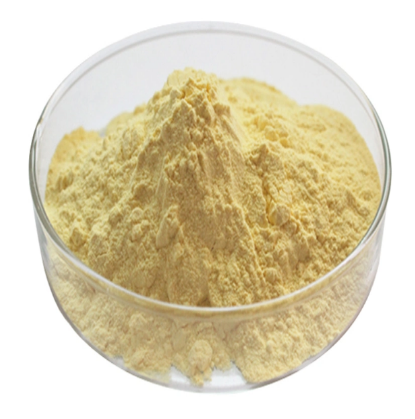
1,4-β-D-Xylanxylanohydrolase CAS:37278-89-0
1,4-β-D-Xylanxylanohydrolase, also known as xylanase, is an enzyme that catalyzes the hydrolysis of the β-1,4-xylosidic linkages in xylan, a complex polysaccharide found in the cell walls of plants and some microorganisms. This enzyme breaks down xylan into smaller fragments, such as xylo-oligosaccharides and xylose, which can be further utilized by microorganisms or used in various industrial applications.
Xylanases are commonly produced by microorganisms, including bacteria and fungi, and are also found in the digestive tracts of certain animals. They play a key role in the degradation of plant cell wall components, allowing microorganisms to access and utilize xylan as a carbon source.
-
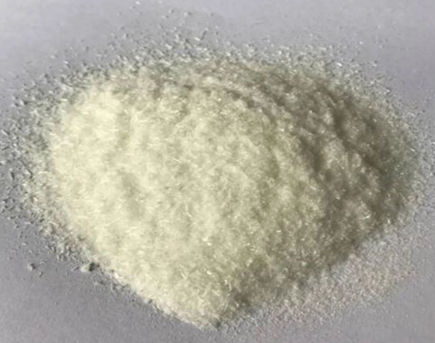
5-Nitro-1,10-phenanthroline CAS:4199-88-6
5-Nitro-1,10-phenanthroline is a chemical compound with the molecular formula C12H6N4O2. It belongs to the family of phenanthroline derivatives and contains a nitro group (-NO2) attached to the 5-position of the phenanthroline ring system.
This compound is known for its ability to form stable complexes with metal ions, particularly transition metal ions. The nitro group enhances its complexation properties and makes it useful in various applications such as analytical chemistry, catalysis, and coordination chemistry.
5-Nitro-1,10-phenanthroline has been utilized as a chelator, meaning it forms stable bonds with metal ions by donating lone pairs of electrons. This allows for precise control and manipulation of metal-ion coordination environments.
-
Acetyl coenzyme A sodium salt CAS:102029-73-2
Acetyl coenzyme A (acetyl-CoA) sodium salt is a synthetic derivative of acetyl-CoA. It is typically used in laboratory research and biochemical studies.
The main application of acetyl-CoA sodium salt is in cellular metabolism studies, particularly in investigating the role of acetyl-CoA in various metabolic pathways. Acetyl-CoA serves as a precursor for the synthesis of fatty acids, cholesterol, and ketone bodies, as well as playing a critical role in energy production through the citric acid cycle (also known as the Krebs cycle).
Additionally, acetyl-CoA is involved in the acetylation of proteins, DNA, and histones, which can affect gene expression and chromatin remodeling. Therefore, acetyl-CoA sodium salt can be used in studies focusing on these epigenetic modifications and their impact on cell function.
-
Puromycin dihydrochloride CAS:58-58-2 Manufacturer Price
Puromycin dihydrochloride is a potent antibiotic that is commonly used in molecular biology and cell biology research. It inhibits protein synthesis by causing premature termination of protein synthesis during translation. Puromycin is effective against both prokaryotic and eukaryotic cells and is particularly useful for selection and isolation of cells that have been genetically modified or transfected with a puromycin resistance gene. It is typically used in laboratory settings to study gene expression, protein synthesis, and to generate stable cell lines with specific genetic modifications.
-
Acetylcholinesterase CAS:9000-81-1
Anticholinesterases are a class of drugs or chemicals that inhibit the activity of the enzyme acetylcholinesterase. Acetylcholinesterase is responsible for breaking down the neurotransmitter acetylcholine in the body. By inhibiting this enzyme, anticholinesterases increase the levels of acetylcholine, leading to increased cholinergic activity in the central and peripheral nervous systems.
The main therapeutic use of anticholinesterases is in the treatment of neurological disorders such as Alzheimer’s disease and myasthenia gravis. In Alzheimer’s disease, these drugs aim to enhance cholinergic neurotransmission and potentially slow down cognitive decline. In myasthenia gravis, anticholinesterases help improve neuromuscular transmission and muscle strength.
Other uses of anticholinesterases include the diagnosis and treatment of anticholinergic poisoning, specifically from certain insecticides or nerve agents. These substances can cause excessive stimulation of the muscarinic and nicotinic receptors, leading to symptoms like muscle weakness, tremors, and respiratory distress. Anticholinesterases can reverse these effects by increasing acetylcholine levels and competition with the toxic substances.
-

Rapamycin from Streptomyces hygroscopicus CAS:53123-88-9
Rapamycin is a naturally occurring compound isolated from the bacterium Streptomyces hygroscopicus. It has a wide range of biological activities and is primarily known for its immunosuppressive and anti-cancer properties.
Originally discovered as an antifungal agent, rapamycin has since been found to possess potent immunosuppressive properties, making it valuable in organ transplantation to prevent rejection. It does this by inhibiting the activation and proliferation of T-cells, a key component of the immune response.
Additionally, rapamycin has shown promising results in the treatment of various cancers. It works by inhibiting a protein called mTOR (mammalian target of rapamycin), which plays a critical role in cell growth and division. By blocking mTOR, rapamycin helps to control the unregulated growth of cancer cells.
-

Acylase from Aspergillus genus CAS:9012-37-7
Acylase is an enzyme produced by various species from the Aspergillus genus, including Aspergillus oryzae and Aspergillus niger. This enzyme belongs to the family of hydrolases and is involved in the hydrolysis of acyl compounds.
Acylases play an important role in various biochemical processes, particularly in the metabolism of organic compounds. They catalyze the cleavage of acyl groups from a substrate, often using water as a co-reactant. This enzymatic reaction is known as acyl hydrolysis.
Acylases from Aspergillus genus have been extensively studied and utilized in biotechnological applications. They have shown significant potential in the production of various valuable compounds such as amino acids, antibiotics, and other pharmaceutical intermediates.
-
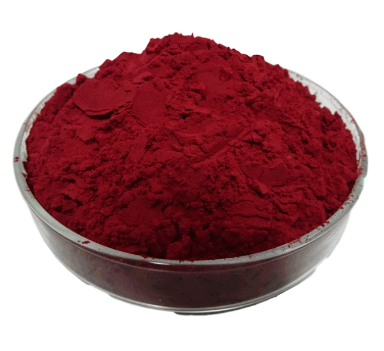
Rifampicin CAS:13292-46-1 Manufacturer Price
Rifampicin is a broad-spectrum antibiotic that is primarily used to treat infections caused by bacteria such as tuberculosis. It belongs to a class of antibiotics called rifamycins and works by inhibiting the synthesis of bacterial RNA, thereby preventing the bacteria from replicating and multiplying.
Rifampicin is often used in combination with other antibiotics to treat tuberculosis and is considered to be one of the most effective drugs for this condition. It is also used for the treatment of other bacterial infections, such as leprosy and certain types of meningitis.
In addition to its antibiotic properties, rifampicin has been found to be effective in treating certain types of drug-resistant infections. It is known to penetrate well into tissues and can target the bacteria residing within cells, making it effective against intracellular bacteria.
-

Alpha-Amylase CAS:9000-90-2 Manufacturer Price
Alpha-amylase is an enzyme that breaks down complex carbohydrates into smaller sugar molecules. It is produced in the pancreas and saliva glands and plays a crucial role in the digestion of starch, glycogen, and other polysaccharides. Alpha-amylase works by hydrolyzing the internal bonds within the carbohydrate chains, resulting in the release of glucose and maltose. This enzyme is widely used in various industries, such as food production and brewing, to facilitate the degradation of starch and improve the texture and digestibility of food products.

