-
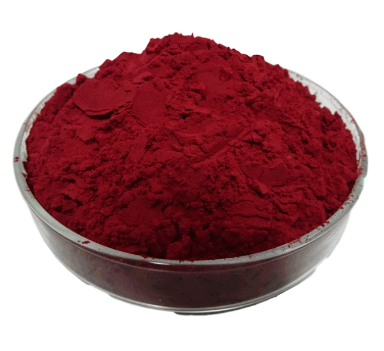
Rifampicin CAS:13292-46-1 Manufacturer Price
Rifampicin is a broad-spectrum antibiotic that is primarily used to treat infections caused by bacteria such as tuberculosis. It belongs to a class of antibiotics called rifamycins and works by inhibiting the synthesis of bacterial RNA, thereby preventing the bacteria from replicating and multiplying.
Rifampicin is often used in combination with other antibiotics to treat tuberculosis and is considered to be one of the most effective drugs for this condition. It is also used for the treatment of other bacterial infections, such as leprosy and certain types of meningitis.
In addition to its antibiotic properties, rifampicin has been found to be effective in treating certain types of drug-resistant infections. It is known to penetrate well into tissues and can target the bacteria residing within cells, making it effective against intracellular bacteria.
-

Alpha-Amylase CAS:9000-90-2 Manufacturer Price
Alpha-amylase is an enzyme that breaks down complex carbohydrates into smaller sugar molecules. It is produced in the pancreas and saliva glands and plays a crucial role in the digestion of starch, glycogen, and other polysaccharides. Alpha-amylase works by hydrolyzing the internal bonds within the carbohydrate chains, resulting in the release of glucose and maltose. This enzyme is widely used in various industries, such as food production and brewing, to facilitate the degradation of starch and improve the texture and digestibility of food products.
-
Spectinomycin dihydrochloride pentahydrate CAS:22189-32-8
Spectinomycin dihydrochloride pentahydrate is a broad-spectrum antibiotic that is primarily used to treat certain types of bacterial infections. It belongs to the aminoglycoside class of antibiotics and works by inhibiting bacterial protein synthesis.
It is commonly prescribed to treat various infections caused by susceptible bacteria, including gonorrhea and other sexually transmitted infections. It is effective against certain strains of bacteria that have developed resistance to other antibiotics, making it a valuable option for treating these infections.
-
Streptomycin sulfate CAS:3810-74-0 Manufacturer Price
Streptomycin sulfate is an antibiotic medication that is primarily used to treat bacterial infections caused by susceptible strains of bacteria. It is part of a class of antibiotics called aminoglycosides. Streptomycin sulfate works by inhibiting the protein synthesis process in bacteria, which ultimately leads to their death.
Streptomycin sulfate is commonly used to treat infections caused by Mycobacterium tuberculosis, the bacterium responsible for tuberculosis (TB). It is also effective against some other Gram-negative bacteria, such as Escherichia coli and Salmonella species. However, it is not effective against Gram-positive bacteria.
This medication is typically administered by injection or intravenously, as its oral bioavailability is low. It is commonly used in combination with other antibiotics for the treatment of tuberculosis to prevent the development of drug resistance.
-
Streptozocin CAS:18883-66-4 Manufacturer Price
Streptozocin is a chemotherapy drug mainly used in the treatment of pancreatic islet cell cancer, a type of neuroendocrine tumor that arises from the cells of the pancreas. It works by damaging the DNA in cancer cells, inhibiting their ability to divide and replicate. Streptozocin is usually administered intravenously and may be given alone or in combination with other chemotherapy drugs.
-
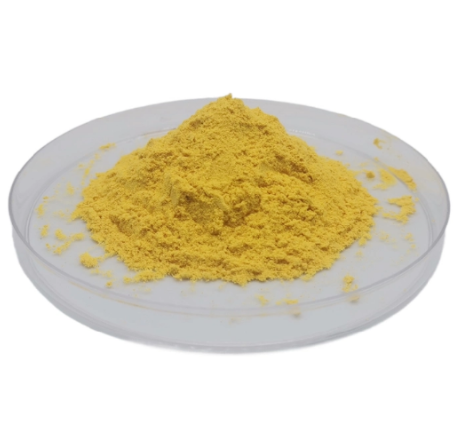
Tetracycline hydrochloride CAS:64-75-5
Tetracycline hydrochloride is a broad-spectrum antibiotic medication that is commonly used to treat various bacterial infections. It belongs to the tetracycline class of antibiotics, which work by inhibiting the growth and replication of bacteria.
Tetracycline hydrochloride is effective against a wide range of bacteria, including both Gram-positive and Gram-negative species. It works by binding to the bacterial ribosomes, preventing the synthesis of essential proteins that are necessary for bacterial growth and survival.
This antibiotic is primarily used to treat conditions such as respiratory tract infections, urinary tract infections, acne, gonorrhea, chlamydia, and certain types of skin infections. It is also sometimes used as a prophylactic treatment to prevent malaria.
-

Vancomycin hydrochloride CAS:1404-93-9
Vancomycin hydrochloride is an antibiotic medication that is used to treat serious bacterial infections. It is a glycopeptide antibiotic that works by interfering with the synthesis of the bacterial cell wall, resulting in the death of the bacteria.
Vancomycin hydrochloride is primarily effective against gram-positive bacteria, including methicillin-resistant Staphylococcus aureus (MRSA), coagulase-negative staphylococci, and streptococci. It is commonly used to treat infections such as bloodstream infections, skin and soft tissue infections, endocarditis, and bone infections.
-
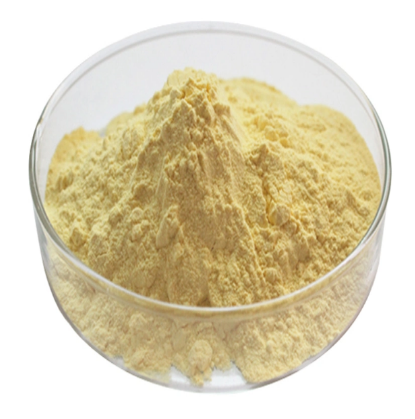
1,4-β-D-Xylanxylanohydrolase CAS:37278-89-0
1,4-β-D-Xylanxylanohydrolase, also known as xylanase, is an enzyme that catalyzes the hydrolysis of the β-1,4-xylosidic linkages in xylan, a complex polysaccharide found in the cell walls of plants and some microorganisms. This enzyme breaks down xylan into smaller fragments, such as xylo-oligosaccharides and xylose, which can be further utilized by microorganisms or used in various industrial applications.
Xylanases are commonly produced by microorganisms, including bacteria and fungi, and are also found in the digestive tracts of certain animals. They play a key role in the degradation of plant cell wall components, allowing microorganisms to access and utilize xylan as a carbon source.
-

Polymyxin B sulfate CAS:1405-20-5 Manufacturer Price
Polymyxin B sulfate is a medication that belongs to the class of antibiotics known as polymyxins. It is primarily used to treat infections caused by certain types of bacteria, particularly Gram-negative bacteria.
Polymyxin B sulfate works by binding to the bacterial cell membrane, causing disruption and destabilization. This leads to leakage of essential components from the bacterial cell, ultimately resulting in its death. It is effective against a wide range of bacteria, including Pseudomonas aeruginosa, Escherichia coli, Klebsiella pneumoniae, and Acinetobacter baumannii.
This medication is typically administered via topical application, especially for skin and eye infections. It can also be given intravenously or intramuscularly for more severe systemic infections. The dosage and duration of treatment may vary depending on the specific infection and the individual patient.
-
Puromycin dihydrochloride CAS:58-58-2 Manufacturer Price
Proteinase, also known as protease, is an enzyme produced by microorganisms that can break down proteins into smaller peptides or amino acids. This enzymatic activity is crucial for microbial growth and survival as it enables the microorganism to acquire essential nutrients from protein sources. Proteinases produced by microorganisms are widely used in various industries, including food and beverage, detergent, pharmaceutical, and biotechnology. They are employed for processes such as fermentation, protein hydrolysis, meat tenderization, cheese production, and protein purification. The neutral description signifies that proteinase from microorganisms does not possess any significant positive or negative impact in general but rather serves as a functional and practical tool in various applications.
-
Neomycin sulfate CAS:1405-10-3 Manufacturer Price
Neomycin sulfate is an antibiotic medication belonging to the aminoglycoside class. It is commonly used to treat or prevent bacterial infections, particularly those affecting the skin and the gastrointestinal tract. Neomycin sulfate works by interrupting the protein synthesis process in bacteria, leading to their death.
Neomycin sulfate is primarily administered topically in the form of creams, ointments, or eye drops for skin and eye infections. It can also be given orally to treat certain gastrointestinal conditions, such as hepatic encephalopathy and certain types of diarrhea.
This medication is effective against a wide range of Gram-negative and some Gram-positive bacteria. It is commonly used in combination with other antibiotics to prevent the development of drug resistance.
-
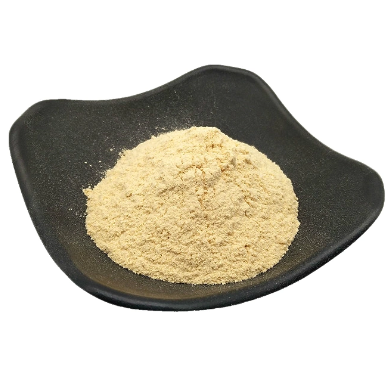
Nystatin dihydrate CAS:1400-61-9 Manufacturer Price
Nystatin dihydrate is an antifungal medication that is primarily used for the treatment of fungal infections. It is effective against a wide range of fungi, including Candida species.
When applied topically, Nystatin dihydrate works by disrupting the cell membrane of the fungi, leading to the leakage of cell contents and ultimately their death. It is commonly used to treat fungal infections of the skin, mouth, and gastrointestinal tract, including oral thrush and diaper rash caused by Candida.