-
Chloramphenicol CAS:56-75-7 Manufacturer Price
Chloramphenicol is a broad-spectrum antibiotic that is primarily used to treat bacterial infections. It works by inhibiting the bacteria’s ability to produce essential proteins needed for their growth and survival.
Chloramphenicol is effective against a wide range of bacteria, including both Gram-positive and Gram-negative organisms. It is commonly used to treat infections such as respiratory tract infections, meningitis, typhoid fever, and certain eye infections.
-
Monensin sodium salt CAS:22373-78-0
Monensin sodium salt is a chemical compound used primarily as a feed additive in livestock production. It improves feed efficiency, aids in the prevention and control of coccidiosis, and exhibits antibacterial activity against certain gram-positive bacteria.
-
Chymotrypsinogen A CAS:9035-75-0 Manufacturer Price
Chymotrypsinogen is an inactive precursor enzyme produced by the pancreas. It is the inactive form of chymotrypsin, a protease enzyme that breaks down proteins in the digestive system. Chymotrypsinogen is converted into its active form, chymotrypsin, by the cleavage of a peptide fragment. Once activated, chymotrypsin is involved in the digestion and breakdown of proteins into smaller peptides and amino acids, which can be absorbed and utilized by the body. Chymotrypsinogen is an important component of the digestive enzyme cascade and contributes to the overall process of protein digestion in the small intestine.
-
D-Alanine CAS:338-69-2 Manufacturer Price
D-Alanine, also known as D-alanine or D-Ala, is a non-essential amino acid that plays a crucial role in the formation and function of certain proteins and enzymes in the body. It is one of the building blocks of the bacterial cell wall and is involved in the synthesis of the neurotransmitter GABA (gamma-aminobutyric acid).
D-Alanine is found naturally in some foods, such as meat, poultry, and dairy products, and can also be produced by the body from other amino acids. Supplemental forms of D-Alanine are available and are sometimes used for specific purposes.
-

Mupirocin CAS:12650-69-0 Manufacturer Price
Mupirocin is a topical antibiotic medication used to treat skin infections caused by certain types of bacteria. It is commonly used for conditions like impetigo and other skin infections caused by Staphylococcus aureus or Streptococcus pyogenes bacteria.
-
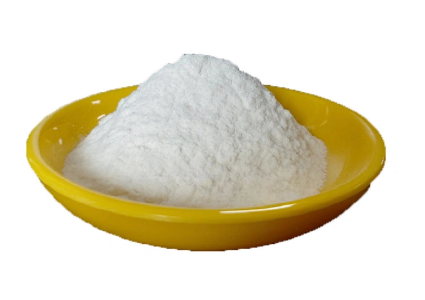
Coenzyme A free acid CAS:85-61-0 Manufacturer Price
Coenzyme A (CoA) is a molecule that plays a crucial role in several metabolic pathways in the body. Coenzyme A free acid refers to CoA in its unbound or unconjugated form. It consists of three main components: adenine, a ribose sugar, and pantothenic acid (vitamin B5). Coenzyme A acts as a carrier molecule, shuttling acetyl groups (two carbon units) between different enzymes and reactions involved in energy metabolism, fatty acid synthesis, and the breakdown of fats, carbohydrates, and amino acids. Coenzyme A free acid is essential for the proper functioning of numerous cellular processes and is involved in maintaining cellular energy homeostasis.
-

DL-Alanine CAS:302-72-7 Manufacturer Price
DL-Alanine is a synthetic form of the amino acid alanine. It has similar properties and functions as natural L-Alanine but is often used in supplements or food products for its stability and cost-effectiveness. DL-Alanine can support protein synthesis, muscle growth, energy production, blood sugar regulation, exercise performance, and immune function.
-
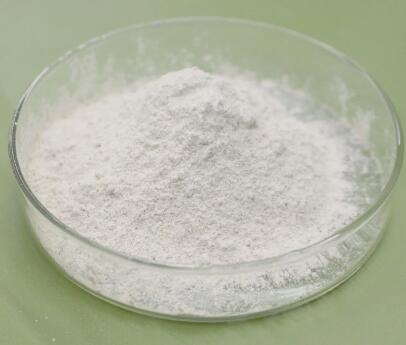
Penicillin G sodium salt CAS:69-57-8
Penicillin G sodium salt is a broad-spectrum antibiotic that belongs to the class of beta-lactam antibiotics. It is derived from the fungus Penicillium chrysogenum and is commonly used to treat a wide range of bacterial infections.
Penicillin G sodium salt works by inhibiting the synthesis of bacterial cell walls, leading to the disruption of cell wall formation and ultimately the death of susceptible bacteria. It is effective against various gram-positive and some gram-negative bacteria.
-
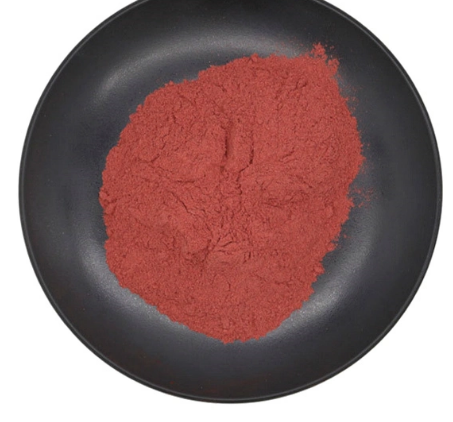
Doxorubicin hydrochloride CAS:25316-40-9
Doxorubicin hydrochloride is a chemotherapy drug that is used to treat various types of cancer. It belongs to a class of medications known as anthracyclines.
Doxorubicin hydrochloride works by inhibiting the growth of cancer cells and disrupting their DNA replication. This helps to prevent the cancer cells from dividing and spreading further. It is effective against a wide range of cancers, including breast cancer, lung cancer, ovarian cancer, and certain types of leukemia.
-

Hemin = Chlorohemin CAS:16009-13-5 Manufacturer Price
Hemin is a complex of iron and protoporphyrin IX that plays a vital role in various biological processes. It is an essential component of hemoglobin, the protein responsible for oxygen transport in red blood cells. Hemin is also involved in the synthesis of other heme-containing proteins, such as myoglobin and cytochromes, that participate in cellular respiration and electron transfer reactions.
-

Streptavidin from Streptomyces avidinii CAS:9013-20-1
Streptavidin is a protein derived from the bacterium Streptomyces avidinii. It shares similar characteristics to avidin, another biotin-binding protein, but with some differences in binding affinity and stability. Streptavidin is widely used in biotechnology and research, primarily due to its strong and specific binding to biotin. This binding affinity is utilized in various applications, including protein purification, detection assays, targeted drug delivery, molecular biology techniques, imaging, and diagnostics. Streptavidin’s versatility and reliability make it an essential tool in numerous scientific and medical fields.
-
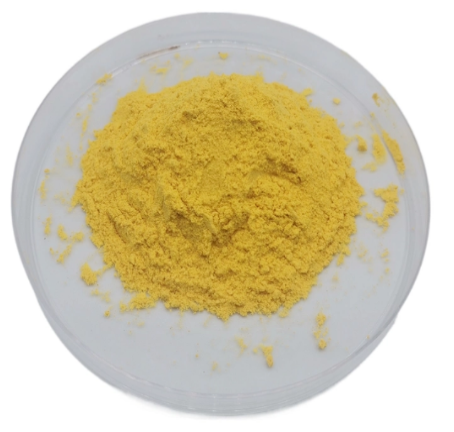
Doxycycline hyclate CAS:24390-14-5 Manufacturer Price
Doxycycline hyclate is a type of antibiotic medication commonly used to treat various bacterial infections. It belongs to the tetracycline antibiotic class and works by inhibiting the growth and spread of bacteria.
Doxycycline hyclate is effective against a wide range of bacterial infections, including respiratory tract infections (such as pneumonia and bronchitis), urinary tract infections, skin infections, eye infections, and certain sexually transmitted infections.It is also used for the prevention of malaria and the treatment of acne and rosacea.